These days, extra virgin olive oil for cooking shows up verywhere when folks cook. Long tied to Mediterranean flavors, it’s found its way into homes across the globe. Whether making quick dinners or complex plates at dining spots, many rely on this rich-tasting oil without even thinking twice.
What sets it apart is more than just its taste.People now look closer at where food comes from, what’s in it, because of how it’s made. Because of this shift, extra virgin olive oil is seen differently – less like just another kitchen staple, more like part of a mindset. That mindset values minimal processing, time-honored ways of making things, dishes centered on real, unprocessed ingredients.
Step into nearly any supermarket these days – rows stretch wide with oil bottles, each stamped with region names, makers, types of olives. Harvest times show up right there beside where it’s from, what it tastes like. Once seen as something only cooks on the edge would try, now people chat about olive oil while frying eggs.
Even so, lots of folks remain curious about using extra virgin olive oil when they cook. Not everyone knows if it holds up well under high heat. A few get confused on how it stands apart from standard olive oil or different kitchen fats. That confusion keeps bringing attention back to how exactly this oil fits into making meals.
Looking into this subject uncovers something curious – where farming meets kitchen habits, health facts, and today’s ways of preparing meals. Extra virgin olive oil isn’t just another item in the pantry. Instead, it ties back to daily routines around cooking, eating, and feeling close to what we put on our plates.
The Bigger Picture
Looking past the container gives a clearer picture of why extra virgin olive oil matters in cooking.
For thousands of years people have made olive oil. Around the Mediterranean, those trees took root – slowly shaping lives, work, traditions. Not just for food, they used it to barter, heal, light lamps, clean skin.
Most days start with a drizzle of olive oil across southern Europe. From Spain to Greece, kitchens move around its steady presence on the table. Cooking unfolds slowly, each step touched by golden liquid poured from glass bottles. Fish pulled from the sea meets warm pans slicked thin with oil. Greens soften under heat after being kissed by it first. Even bread arrives dampened at the edges from dipping too long. Grains simmer in pots where oil rides just beneath the surface. Meat takes color when seared in shallow pools glowing amber.
These days, eating habits around the world look more alike than before. Dishes that used to belong to one place show up on plates continents away, thanks to books, shows, online pages, and video clips people pass along. When meals from far-off countries caught on, high-quality olive oil came along quietly, tucked into recipes everywhere.
Right now, folks started caring more about what goes into their food. Curiosity grew around the origins of meals and how they reach the table. Because of its simple method, extra virgin olive oil slipped easily into this shift. Pressing olives by machine – no heavy processing – is how top grades come to be.
Out of old ways and clear practices grew something more than just kitchen basics, shaped by global olive oil quality benchmarks. Not merely a bottle on the shelf, it now stands for real food made with care.
People Find This Topic Important
What we eat tends to mirror deeper values, yet extra virgin olive oil keeps showing up in key debates.
Some folks care most about how food tastes. A drizzle of extra virgin olive oil brings flavors that might feel soft like cream or sharp like green pepper. While some oils vanish into recipes, this one leaves a mark. Just a touch changes how a meal feels on the tongue.
These days, more people pay attention to their health. Because of this shift, shoppers look closely at what goes into their food. Notably, extra virgin olive oil shows up a lot in meals built around fresh produce and beans. Meals with whole grains and simple cooking methods tend to include it too.
What grabs attention here? It’s how one thing fits many roles. Not much in the kitchen shifts like this across jobs. Take extra virgin olive oil – it sizzles veggies, browns meat, builds sauce bases, coats greens, then adds a touch right at the end.
Something warm lives inside cooking. Maybe it’s the bottle of olive oil on the counter that brings back memories of a summer spent overseas. Meals stick to us, long after they’re gone. That familiar flavor can bring back memories of shared meals, old conversations, and laughter from years past. Not every ingredient does this, but extra virgin olive oil sometimes does. Stories grow quietly around such things.
Nowhere is the curiosity about where food comes from more clear than in how people cook – extra virgin olive oil keeps standing out, not just for what it does in recipes but for what it represents over time. Its role grows quietly, shaped by daily use yet tied to deeper traditions that go beyond the pan.
Understanding the Fundamentals
From cold pressing olives comes extra virgin olive oil, top tier among types, following recognized extra virgin olive oil quality standards. With nothing added, just squeezed by machine, it keeps what nature packed inside. Refined versions change more during making; this one stays close to how the fruit first was.
Out there among the trees, olives come in by hand from the groves. Just right timing makes all the difference since how ripe they are shapes taste, smell, everything really. After gathering, washing follows before they turn them into mushy pulp. From that point on, spinning and pressing pull out golden liquid while leaving behind water and bits of fruit.
From the process, the oil keeps substances shaping how it smells, tastes, and looks. Olive type plus where it grows can bring hints of grass, herbs, fruit, nuts, or pepper into extra virgin olive oil.
Most people notice color first – yet that does not always mean better quality. A top-grade extra virgin olive oil might appear pale gold or nearly black-green. The shade depends on which olives were used, when they were picked. Some turn light early. Others stay dark long after pressing.
Extra virgin olive oil does more than just cook food. Heat moves through it easily, while also shaping how things feel in the mouth – crisp, smooth, or rich. Flavor comes alive when it’s involved, adding depth that lingers after heating. Most oils handle heat or texture alone, yet this one brings something unique to the plate – the kind you notice right away, even without labels. Its character stays present, cutting through simplicity with a sharp green note others lack.
Bursts of flavor emerge when the oil meets veggies in a hot pan. A splash into simmering tomato sauce brings silkiness without weighing it down. Resting on warm noodles, its scent rises first, followed by depth. After cooking ends, just a spoonful lifts everything quietly.
Because of these basics, it’s clearer why both professional chefs and everyday cooks see extra virgin olive oil as something beyond just fuel for frying. This liquid plays a role all its own, quietly steering how a dish turns out in the end.
Real-World Applications
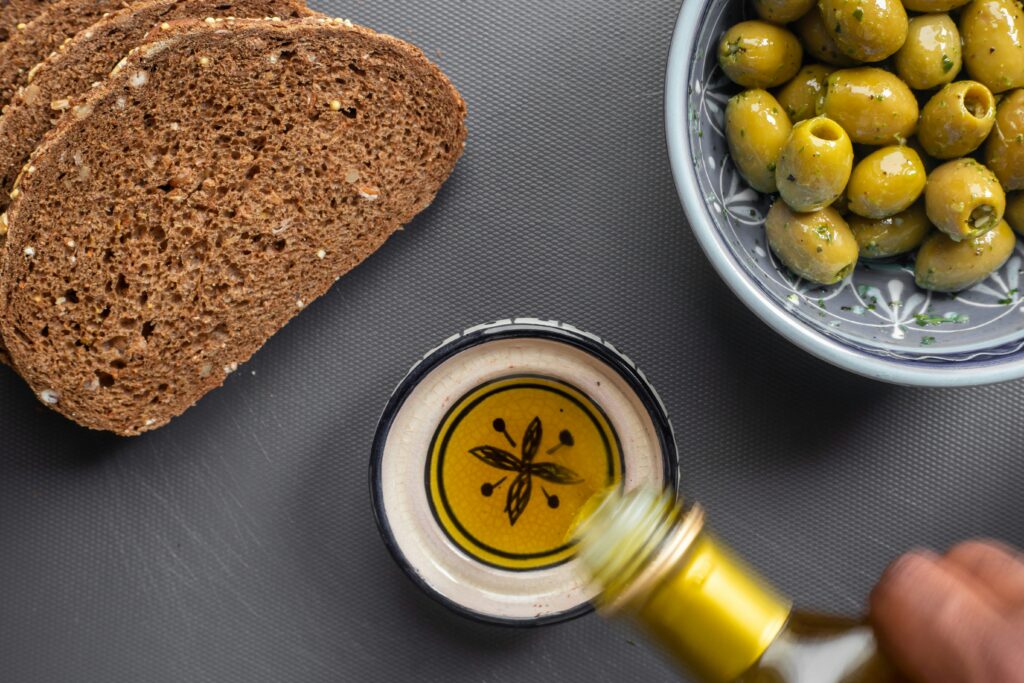
From morning toast to evening stews, extra virgin olive oil finds its way into dishes worldwide. Whether drizzled over roasted vegetables or used to sauté garlic for pasta, it adds depth without overpowering. Many cultures rely on it not just for flavor but also for how it carries spices and herbs through a dish. Even baked goods sometimes include it, swapping butter for something lighter. Across kitchens, both home and professional, its role remains steady – simple, versatile, always present.
A skillet sits on the stove in an ordinary kitchen after work hours.Heat flows through the pan as a layer of golden oil coats the surface.
Onions slip into the pan first, then crushed garlic follows close behind. The warmth softens their edges while scent rises into the air above. Oil carries that heat steadily, building depth without rushing. Soon enough, chopped carrots slide in beside chickpeas pulled from a can. Sometimes strips of chicken join later, sizzling at the edges.
Bread rises differently when olive oil mixes into the dough. Moisture slips in through that golden liquid, changing how it feels. Texture shifts, just slightly, because of what the oil brings along. Each bite tastes like grain – but also whispers of fruitiness from the press. What comes out of the oven holds two identities at once.
Baked dishes show up a lot in daily cooking. When veggies go into the hot oven coated in good olive oil, they come out crisp outside, soft inside, tasting richer. Think of potatoes browning at the edges, carrots sweetening slowly, zucchini turning silky, peppers losing sharpness. Each one holds up well under heat, changing without falling apart.
Most restaurant cooking leans on olive oil quite a bit. In busy kitchens, it often forms the base of sauces, marinades, or last-minute enhancements. Right before plating, a cook might pour a touch over soup, fish that’s been grilled, or veggies pulled from the oven – just enough to lift scent and visual appeal.
Most people start salads the same way. When mixed with things like lemon juice, vinegar, or fresh herbs, extra virgin olive oil becomes a go-to dressing foundation.
Out of nowhere, olive oil shows up in kitchens worldwide. Not just a staple in Mediterranean cooking, it slips into meals where you might not expect it. Even dishes inspired by Asia toss vegetables in it. Grain bowls from Latin America? They use it too. Fusion food today leans on extra virgin olive oil like it belongs everywhere.
That’s partly because it fits so many different ways people cook today. It stays common for a reason – flexibility makes it stick around.
Expert Perspective
Most chefs see extra virgin olive oil not just inside dishes, yet shaping how they cook them too.
What stands out is how cooks rely on it to build flavor quietly. Most times, success comes down to harmony. Instead of taking center stage, the oil lifts everything around it.
Out there in the fields, what grows depends heavily on how things unfold season by season. From dirt makeup to weather swings, each piece shapes how crops turn out – harvest timing nudges flavor further. Taste shifts happen because every place manages its land a little differently than the next.
Most cooking teachers want students to see olive oil like salt or herbs. A chosen oil shapes how a dish tastes. That choice matters just as much as garlic or pepper does when building taste.
What food scientists notice often gets overlooked: good quality isn’t guaranteed. When crops are picked at the right moment, kept cool, handled carefully – flavor holds up better. If stored poorly, warmth or sunlight starts slow damage, even before you see it. Freshness slips bit by bit when air lingers too long around ingredients.
Most people who know oils will tell you, start by tasting. Labels help, yet nothing beats what your senses pick up. When you try various kinds side by side, the role each plays in food becomes clearer. Taste leads insight.
Out of nowhere, ingredients start shaping taste instead of just sitting in a dish. They push flavors forward, not just fill space on a plate. A shift like this changes how meals come together – quietly, but for real.
Common Challenges
Even though lots of people love it, using extra virgin olive oil for cooking comes with some tricky parts.
Most people get mixed up when picking what to buy. Aisles packed with choices make it harder, especially with different tags and costs on everything. Figuring out what works for dinner? That part trips many of us up.
Here’s where things get tricky. Light, heat, or air over time will slowly dull the oil. Flavor begins to fade when food sits too long.
wrong. The traits people like in extra virgin start slipping away.
Price can play a role too. While some processed plant-based oils cost less, premium olive oil often costs more. A few people wonder if that gap makes sense.
False claims stirred doubt too. When it comes to heat levels and how to apply the oil, arguments pop up – some now hesitate before drizzling it into pans. Mixed messages tend to muddy choices instead of clearing them.
Some folks stumble when flavors hit hard. That bold touch of extra virgin olive oil wins fans, yet surprises others with its punch. A dish finds balance only after tries, shaped by what you like. Trial shapes fit.
One last thing – how well a product is made might shift from one item to another, leading to uneven results. Take two containers both called extra virgin olive oil – they could taste unlike each other, smell nothing alike, even behave differently when used in cooking.
Still, olive oil holds its worth despite these issues – what matters is learning to pick it wisely, then using it right. Though problems exist, knowing when and how to pour makes all the difference in practice.
Practical Solutions
Getting past these hurdles starts by learning more, becoming comfortable through experience.
Start with the label, as it may reveal where the product was grown. Sometimes a name on the package hints at how it was made. Look closer, since details like harvest time show up in taste later. Quality hides in small print, waiting to be noticed. A region mentioned quietly could mean richer flavors ahead.
Most of its life depends on where you keep it. A spot away from light and heat holds flavor longer. Shut the lid tight every single time after pouring – oxygen can spoil things fast.
What matters just as much is testing things out. When people cook with different kinds of oil, they start noticing tastes they like plus learn what goes well with each meal. Delicate dishes sometimes match better with a light-flavored oil. On the flip side, strong-tasting oils can stand up to bolder ingredients like roasted root veggies or seared steak.
Most folks watch their spending by picking when to splurge. A drizzle of fancy oil right before serving lifts a meal without draining the wallet. For frying or sautéing, something simpler does just fine. Taste stays strong, costs stay lower – timing makes the difference.
Trying things again and again makes cooking feel easier. Once someone sees how olive oil acts in various dishes, its uses start making sense.
Starting here can turn confusion into clarity, letting extra virgin olive oil feel less mysterious, more like something you reach for without thinking.
Future Outlook
Looking ahead, how we cook with extra virgin olive oil ties into shifting tastes across the food world. One moment it’s about flavor, the next a reflection of where eating habits are headed. Driven less by rules, more by what people actually do in kitchens. Taste matters, sure, yet values around sourcing play a role too. Not just tradition pushing forward, but everyday choices adding up. Moments of cooking link to larger patterns, quietly shaping what comes next.
Still, people keep asking what’s really in their food along with how it was made. Because of that pressure, companies now share clearer details about where ingredients come from and how they’re gathered.
These days, looking after the planet matters more than ever. Farming methods that protect nature while still growing good crops are catching on among producers. How we make and sell olive oil could shift because of choices being made now.
Out here, machines shape how things grow. New tools for gathering crops work faster, while better methods turn raw plants into reliable goods. Machines check each batch now too, spotting flaws before they spread. Even so, people still click through screens to find who made their tea. Names pop up beside reviews, helping buyers see beyond the label.
Even so, folks around the world keep reaching for olive oil when they cook. Because global tastes shift, meals now often highlight bold flavors – olive oil fits right in. With more home kitchens exploring dishes from distant places, its role grows without fanfare. Not surprisingly, seeing it on shelves means noticing how food habits change over time.
Learning can open new doors. When people find out how flavors work, how food is made, or ways it can be used in cooking, confidence tends to grow slowly. One bite at a time, knowledge sticks.
Even if tools change, one thing stays true about extra virgin olive oil – its taste feels alive in so many dishes. Not only does it shift easily between recipes, yet still holds ties to ways people have cooked for ages.
Conclusion
From old fields to today’s stovetops, extra virgin olive oil finds its place quietly. Not just poured into pans but woven through taste itself. Its roots stretch back long before recipes were written down. Yet it still shows up in meals made last night. A liquid gold that never shouts. Used because it works. Because it always has.
What makes it widespread isn’t just ease of use. Drawn by how flexibly it works, its bold flavor stands out, tied closely to talks around better ingredients and time-honored ways in the kitchen. From basic weeknight plates to high-end dining creations, this oil proves useful again and again, showing up everywhere without losing meaning.
Most people never think about where it comes from, yet that shapes how it behaves when heated. Because knowing its role in dishes changes the way you handle it in recipes. When choices at the store feel confusing, past mistakes guide better picks later on. Even if freshness differs each time, practice helps spot what matters most.
Even as tastes change, extra virgin olive oil stays common in homes everywhere through many home cooking ideas. Because it fits so many styles of cooking, people keep reaching for it daily. Not simply a pantry item, it shows care in how meals are made. What stands out is how it turns simple dishes into something considered.