Waking up to discover an unexpected fluid leak on your bed can instantly ruin a restful morning and leave you wondering how to get period blood out of mattress covers without ruining expensive bedding investment. Unlike standard cotton bedsheets that can simply be tossed into a washing machine with heavy laundry detergent, a mattress is a complex, multi-layered upholstery system that cannot be submerged or aggressively washed. The absorbent nature of thick quilted covers, memory foam layers, and internal spring casings means that fluids quickly migrate downward, creating deep biological stains and unpleasant lingering odors if not addressed correctly.
Understanding the biological properties of biological fluid stains is the fundamental key to effective cleaning, especially when dealing with how blood stains react to heat and cold water. Blood contains iron, plasma, lipids, and complex proteins, most notably hemoglobin.
When exposed to heat or harsh chemical drying agents, these biological proteins undergo a permanent structural change called denaturation. During denaturation, the protein molecules cross-link and bind tightly to synthetic and natural textile fibers, turning a manageable fresh spot into a permanent reddish-brown mark that resists standard household surface cleaners.
Whether you are dealing with a fresh leak that occurred overnight or an old, set-in mark that was overlooked for days, successful cleaning depends on applying cold water solutions and targeted protein-dissolving agents. This comprehensive consultant guide explains the molecular behavior of organic fluid spills, compares household and commercial cleaning options, provides detailed step-by-step cleaning procedures written entirely in cohesive paragraphs, and outlines long-term habits to protect your mattress investment.
The Biological Science Behind Organic Fluid Stains on Upholstery
To understand the core principles of how to get period blood out of mattress ticking, one must examine how biological fluids interact with various bedding materials. Blood is a water-based complex organic fluid loaded with cellular proteins, organic iron compounds, and coagulation factors designed by nature to clot rapidly upon exposure to air. When this fluid lands on an unprotected mattress, capillary action draws it deep into the woven cover and underlying comfort layers.
As the liquid component begins to dry, iron molecules in the hemoglobin react with oxygen in the air, undergoing an oxidation process similar to rusting. This chemical reaction is what turns bright red fresh fluid into a deep rust-brown or dark brown stain over time. If the fluid penetrates into porous polyurethane foam or latex cores, the dark pigment becomes trapped inside millions of microscopic air cells, making simple surface wiping entirely ineffective for full restoration.
Furthermore, applying hot or even lukewarm water to any blood stain instantly accelerates the coagulation and denaturation process. Warm temperatures cook the iron-rich proteins directly into the polyester, rayon, or cotton fibers of your mattress cover. Once these proteins bond permanently with the textile polymers, breaking them apart requires much stronger chemical intervention that can potentially damage sensitive mattress foams.
Assessing Your Mattress Type and Material Construction
Before applying liquid solutions when researching how to get period blood out of mattress padding, identifying the specific construction materials of your bed is a crucial safety step. Different mattress designs have varying tolerances for moisture, chemical surfactants, and mechanical agitation, and choosing the wrong approach can lead to mold growth or foam degradation.
Traditional innerspring mattresses feature a thick, quilted cotton or polyester ticking cover over felt padding and steel coils. These mattresses can tolerate mild liquid treatments and gentle scrubbing, provided the underlying padding is not completely saturated. Hybrid mattresses combine spring coils with top layers of memory foam or latex, requiring careful moisture control to prevent liquid from pooling around the upper foam contours.
Solid memory foam and natural latex beds present the highest sensitivity to liquid exposure. High-density viscoelastic foam acts like a giant sponge, absorbing liquids rapidly and retaining moisture for days if saturated. Excessive moisture inside memory foam breaks down the cell walls, leading to structural sagging and creating an ideal environment for internal mold and mildew spores. When treating memory foam, keeping your cleaning applications minimal and damp rather than soaking wet is essential.
Managing Fresh Leaks with Cold Extraction Techniques
When dealing with a fresh, wet fluid spill, acting quickly gives you the highest chance of complete stain removal when applying methods for how to get period blood out of mattress fabric. Fresh fluid has not yet fully oxidized or cross-linked with the mattress cover fibers, allowing simple cold water extraction to yield exceptional results.
Strip all sheets, mattress pads, and pillowcases from the bed immediately, placing soiled linens directly into a washing machine for a cold-water cycle with a standard laundry detergent. Take a clean, dry white cotton towel or paper towel and press it firmly against the fresh spot on the mattress to absorb as much liquid fluid as possible. Always use a vertical pressing motion rather than rubbing laterally, as rubbing spreads the wet fluid onto adjacent clean fibers and pushes pigment deeper into the tufting.
Once you have blotted away all free moisture, dampen a fresh white cloth with clean, cold water. Gently press the damp cloth into the outer edges of the stain, working inward toward the center to prevent the ring from expanding. Continue blotting with fresh, cold sections of the cloth as the red pigment transfers out of the mattress ticking and onto the towel. Never pour water directly onto the mattress surface, as forcing liquid downward pushes the organic pigment directly into the underlying foam pad.
Enzymatic Cleaners and Chemical Breakdown of Proteins
For stains that have already started to dry or set, knowing how to get period blood out of mattress covers effectively requires using bio-enzymatic cleaning formulations. Enzymatic cleaners contain active non-pathogenic biological cultures that produce specialized proteins designed to digest organic matter like blood, urine, sweat, and saliva.
Specifically, protease enzymes in these formulations target and break down complex protein chains into simple, soluble amino acids that easily wash out of textile weaves. Unlike harsh chemical bleaches that alter pigment appearance while leaving organic residues intact, enzymes completely digest the underlying organic molecules, eliminating both the visible discoloration and any potential odor-causing bacterial food sources.
To use an enzymatic cleaner safely, spray a light, even mist onto a clean microfiber cloth or apply it sparingly to the affected area using a soft brush. Allow the solution to remain damp on the mattress cover for fifteen to twenty minutes so the active enzymes have sufficient time to break down the hardened hemoglobin molecules. Afterward, press a dry towel firmly over the spot to draw out the loosened organic slurry, repeating with a cold-water-dampened cloth to rinse away any remaining surfactant residue.
Utilizing Hydrogen Peroxide for Organic Oxidation
When an enzymatic cleaner is not readily available, hydrogen peroxide serves as one of the most reliable household alternatives when learning how to get period blood out of mattress fabric. Three percent household hydrogen peroxide acts as a mild oxidizing agent that breaks down organic biological pigments through rapid chemical oxidation.
When hydrogen peroxide comes into contact with the catalase enzyme found in blood, it immediately begins to effervesce, creating tiny oxygen bubbles that physically lift trapped iron pigments out of the tight fabric weave. To apply this method, pour a small amount of three percent hydrogen peroxide onto a cotton ball or white rag, then dab it directly onto the stained fibers. You will notice immediate foaming as the chemical reaction takes place.
Allow the foaming action to continue for two to three minutes, then blot the area firmly with a clean, dry cloth to absorb the lifted foam and dissolved pigment. Because hydrogen peroxide possesses mild bleaching properties, test it on a hidden section of colored mattress covers beforehand to ensure it does not cause unwanted color fading. Always follow up by blotting the area with a cold, damp cloth to remove any remaining peroxide solution.
Kitchen Remedies: Salt, Baking Soda, and Cornstarch Pastes
Homeowners looking for non-toxic, chemical-free methods for how to get period blood out of mattress upholstery can utilize simple kitchen ingredients to construct absorbent poultice pastes. Combining sodium chloride, baking soda, or cornstarch with cold water creates a paste that draws moisture and dissolved pigments out of textile fibers as it dries.
To make a standard salt and cornstarch paste, mix two tablespoons of table salt, one-quarter cup of cornstarch, and just enough cold water to form a thick, spreadable paste. Salt helps break down protein structures while cornstarch acts as a powerful desiccant that pulls liquid upward through capillary action. Spread a thick layer of the paste over the stained mattress fabric, ensuring it completely covers the discoloration, and allow it to dry completely into a hard crust, which usually takes thirty to sixty minutes.
As the paste dries, it absorbs the rehydrated blood pigment out of the upper mattress fibers and traps it inside the dry starch matrix. Once the paste is fully dry to the touch, scrape away the hard crust gently using a plastic spatula or the edge of a credit card, taking care not to snag the woven ticking. Vacuum away the dry powder using an upholstery brush attachment, then inspect the surface to determine if a second light application is needed.
Evaluating Mattress Cleaning Methods Across Performance Factors
Selecting the best approach for how to get period blood out of mattress covers involves evaluating performance factors such as cleaning power, moisture safety, risk of fabric damage, and household availability.
Cold Water and Manual Blotting serves as the safest initial action for fresh, wet fluid leaks on all mattress types, including memory foam and latex. It carries zero risk of chemical damage or heat setting, though its ability to remove dried or deeply oxidized fluid stains is relatively limited.
Enzymatic Cleaners provide maximum cleaning performance for both fresh and dried organic protein stains on water-safe upholstery. They digest organic compounds completely with minimal risk of fabric damage, though they require specific contact times and purchasing specialized products.
Three Percent Hydrogen Peroxide delivers fast, powerful oxidation that lifts stubborn dried blood spots effectively. It is widely accessible and affordable, though it carries a slight risk of bleaching colored or patterned mattress covers if left unattended.
Baking Soda and Cornstarch Pastes offer an exceptional low-moisture option that pulls liquid pigments out of sensitive memory foam beds without risk of over-saturation. They require slightly longer drying times but present zero risk of chemical damage or fiber degradation.
Critical Mistakes That Cause Permanent Stains and Mold Growth
When people urgently research how to get period blood out of mattress covers after a night leak, rushed mistakes can turn a simple cleanup job into permanent mattress damage. Understanding what not to do is just as important as knowing the correct cleaning protocols.
The most widespread error is applying hot or warm water to the stain in an attempt to wash it away faster. Heat cooks the hemoglobin proteins, setting the rust-colored iron pigment permanently into the synthetic or cotton fibers of the cover. Once a blood stain has been heat-set by hot water or a hairdryer, complete removal becomes virtually impossible without damaging the fabric.
Another critical mistake is pouring liquid cleaning solutions or water directly onto the mattress surface from a bottle or cup. Excess liquid quickly saturates the underlying foam or cotton batting, where it remains trapped due to limited airflow inside a dense mattress. Trapped interior moisture creates an ideal environment for mold, mildew, and structural foam breakdown, often resulting in musty odors that require professional replacement.
Additionally, avoid using aggressive chlorine bleach, concentrated ammonia, or stiff wire brushes on mattress ticking. Chlorine bleach weakens synthetic fabric fibers, causes yellowing on white mattress covers, and creates toxic fumes when mixed with organic compounds, while stiff brushes tear delicate quilted stitching and cause unsightly fabric pilling.
Managing Old, Dried, and Previously Treated Stains
Addressing old, set-in marks requires a patient, multi-step approach for how to get period blood out of mattress ticking that has been neglected for weeks or months. Dried stains consist of fully oxidized iron compounds and hardened protein matrices that must be slowly rehydrated before they can be extracted.
To treat an old, hardened stain, begin by applying a small amount of meat tenderizer powder mixed with cold water to form a paste. Unseasoned meat tenderizer contains papain or bromelain, natural enzymes derived from papaya or pineapple that break down tough protein fibers. Apply the paste to the dried mark and let it sit for up to an hour to soften the hardened protein bonds gently.
After the tenderizer paste has softened the spot, scrape away the excess residue and apply an enzymatic cleaner or hydrogen peroxide solution using a damp cloth. Work the solution into the fibers using gentle, circular motions with a soft-bristled toothbrush to break up deep-seated pigment. Blot continuously with clean dry towels as the color releases, repeating the rehydration and extraction process until the dark outline fades completely.
Professional Upholstery Cleaning and Steam Extraction Considerations
When home remedies do not yield satisfactory results or when dealing with large-scale fluid spills, considering professional upholstery cleaning services provides a definitive path for how to get period blood out of mattress restoration. Professional technicians possess specialized extraction tools engineered to handle delicate bedding materials safely.
Professional technicians utilize low-moisture hot water extraction units or dry steam cleaners equipped with high-lift vacuum motors. These industrial units inject targeted bio-enzymatic rinses into the upper cover while instantly extracting nearly all moisture back out, preventing liquid from soaking deep into the internal foam core or spring assembly.
Before hiring a professional service, confirm that the technicians have specific experience with mattress cleaning and biological stain remediation. Inform them of any previous home cleaning attempts or chemical products you applied to the stain, as residual household chemicals can react unexpectedly when exposed to professional cleaning agents.
Preventative Protection and Long-Term Mattress Care
Once you have successfully executed your plan for how to get period blood out of mattress covers and restored a clean, hygienic sleep surface, adopting preventative habits will protect your bed from future liquid accidents.
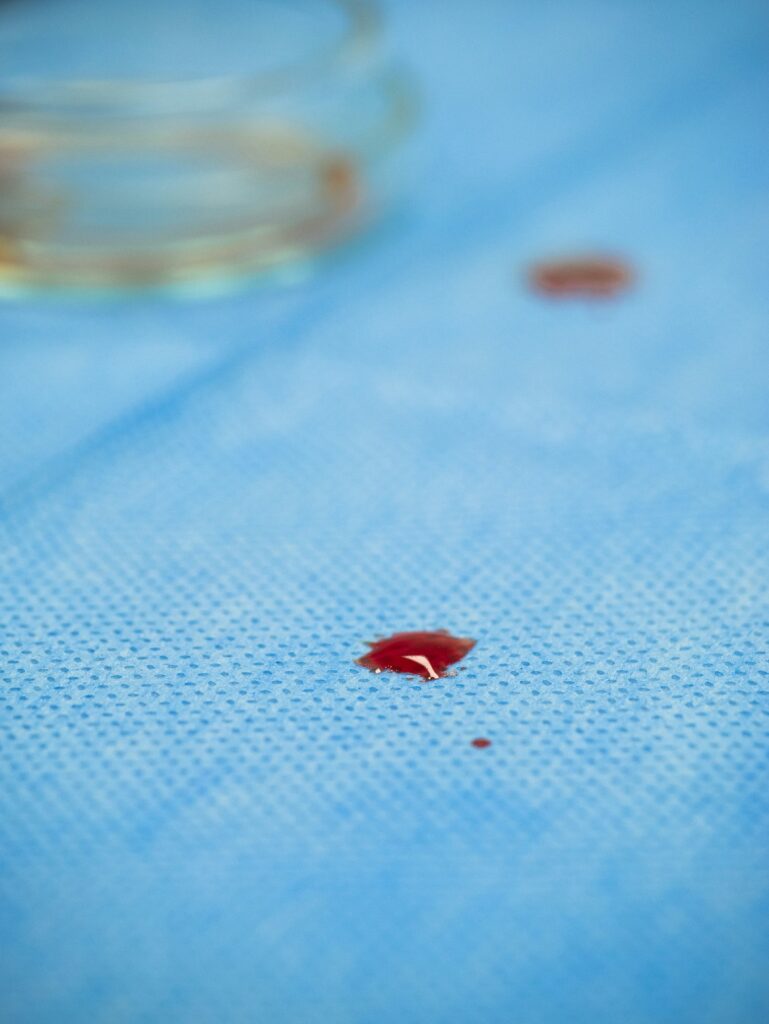
Investing in a high-quality waterproof mattress protector for stain prevention is the single most effective step you can take to safeguard your bed. Investing in a high-quality waterproof mattress protector is the single most effective step you can take to safeguard your bed.
Modern waterproof protectors feature a breathable polyurethane membrane bonded to a soft jersey or bamboo top fabric, providing a complete barrier against fluids, sweat, and dust mites without creating noisy plastic rustling or trapping body heat.
Establish a regular mattress maintenance routine by vacuuming the top surface every few months using an upholstery attachment to remove loose dust and skin cells. Spot clean minor marks immediately as they occur by following effective mattress stain removal tips., and flip or rotate your mattress every six months according to the manufacturer guidelines to ensure even wear and proper ventilation across all comfort layers.