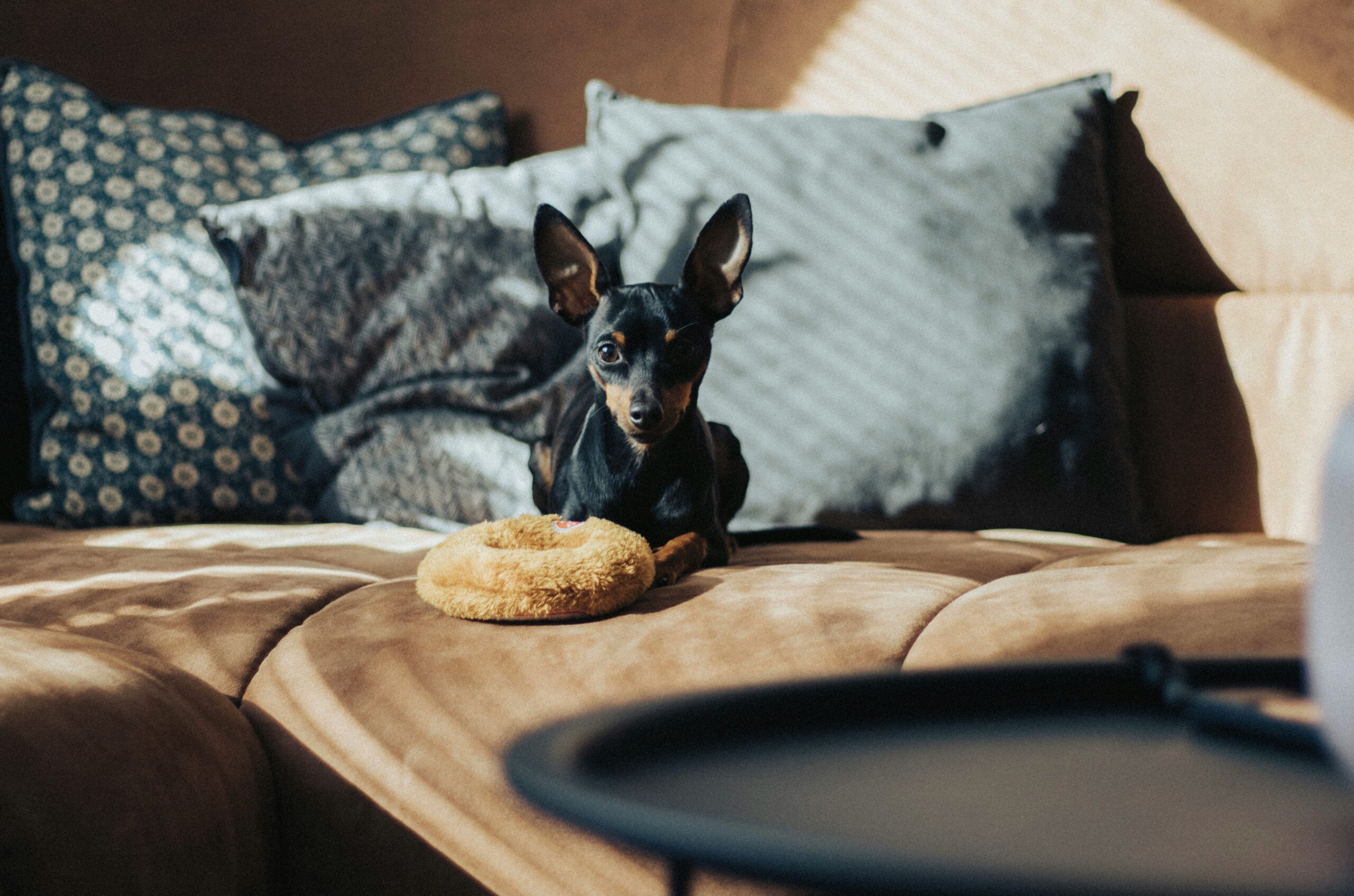
Living with a beloved canine companion brings immense joy, but it often introduces a persistent challenge to home maintenance: stubborn, embedded pet odors. When home dwellers search for how to get dog smell out of couch cushions, they are usually dealing with a heavy scent that simple fabric sprays cannot fix. Canine odors migrate past the surface fabric and embed themselves deep inside high-density cushion foam, turning a favorite living room sofa into a continuous source of frustration.
The stubborn nature of pet odor has to do with a close look into both canids and textile make. Dogs emit what is known as sebum – a oily content by dog’s skin cells to maintain his coat and the rest of his body. After the dog curls up and lies on a couch, these essential body oils come in contact with his hair, the saliva expelled, outdoor particles that cling onto his body, moisture from outdoor elements, and even some bodily dander that may shed.
In time, these organic byproducts oxidize as they combine with the atmosphere to eventually develop a steady chemical matrix which clings on to smelly gases and emanates a persistently moist yet oldish odor into your livingroom.
The solution to effectively remove those persistent pet smells involves a methodical technique targeted on: chemical deconstruction of essential oils and organic matter; bio-logical neutralization of bacterium, and-last but not the least: deep inner clean of interior stuffing that’s found within cushion interior. This guide presented as consultation offers in depth insights in to organic pet odor factors, analyzes the different types of upholstery friendly cleaning strategies accessible and demonstrates the precise and full day-to-day working procedures for cleaning upholstery that’s written entirely in simple instructional paragraphs.
The Biological and Textile Science Behind Embedded Pet Odors
To develop an effective plan for how to get dog smell out of couch upholstery, you must first understand the chemical nature of canine scent deposits. Unlike simple dust or superficial dirt, pet odor is driven by lipids, proteins, and skin microflora. Sebum is an oil-based secretion that does not dissolve in plain water, meaning a simple wipe-down with a damp towel leaves the core odor source completely untouched.
In the same manner that hair and tiny dander particles cling to fabrics, oils and greases become enmeshed within the fibers of the material. By interacting with the moisture available from either the environment (atmosphere) or from heat (human or pet body temperature), these bound organic compounds allow normal bacteria to break down the lipid fatty acids they contain. Because this bacterial enzymic process occurs over an ongoing period and repeatedly in this location, it is the unique, dense muskiness that cannot be covered by simple air fresheners or sprays.
Woven upholstered fabrics (chenille, tweed, velvet, and microfiber) provide many millions of minute fiber strands, thus enormous surface areas for oil absorption. As a dog wiggles and repositions themselves on a seat cushion, repeated pressure push their lipophilic oil outward from the surface cover, allowing it to enter the deeper PU (polyurethane) foam beneath. At the point of entry, odor and organic contamination occurs that cannot be easily removed using only surface cleaners.
Verifying Upholstery Care Labels Before Treatment
Before applying any cleaning agent or liquid solution when exploring how to get dog smell out of couch padding, checking the furniture care tag is an essential safety precaution. Upholstery fabrics vary widely in their tolerance for water, chemical solvents, and mechanical friction, and using the wrong product can cause permanent water rings, fabric shrinkage, or color fading.
Find the cleaning codes typically stitched under the seat cushions or along the bottom frame on a fabric dust cover. A code with the letter W tells you the fabric can be cleaned safely with water based cleaners such as mild detergent mixes, vinegar sprays or bio enzyme cleaner solutions. If the fabric has the code S it can be cleaned with dry solvent only and does not react well with water, the texture of the fabric will change permanently or it will stain water rings in the fabric.
S/W is a mixture code for both water based and dry solvent cleaning to add versatility during odor extraction.
Code X means to use a vacuum or soft brush for cleaning-professional dry clean only for removal of upholstery. If your furniture does not have a cleaning code on it, test a small area in an out of the way place, (like on a back corner of the couch) and allow it to dry completely before deciding.
Deep Dry Cleaning Protocols: Vacuuming and Baking Soda Applications
The foundational phase of how to get dog smell out of couch fabrics relies on thorough dry extraction to remove loose hair, dander, and dry surface debris before introducing any liquid cleaning agents. Attempting to spray liquids onto a sofa covered in pet hair creates a muddy slurry that pushes organic dander deeper into the fabric weave.
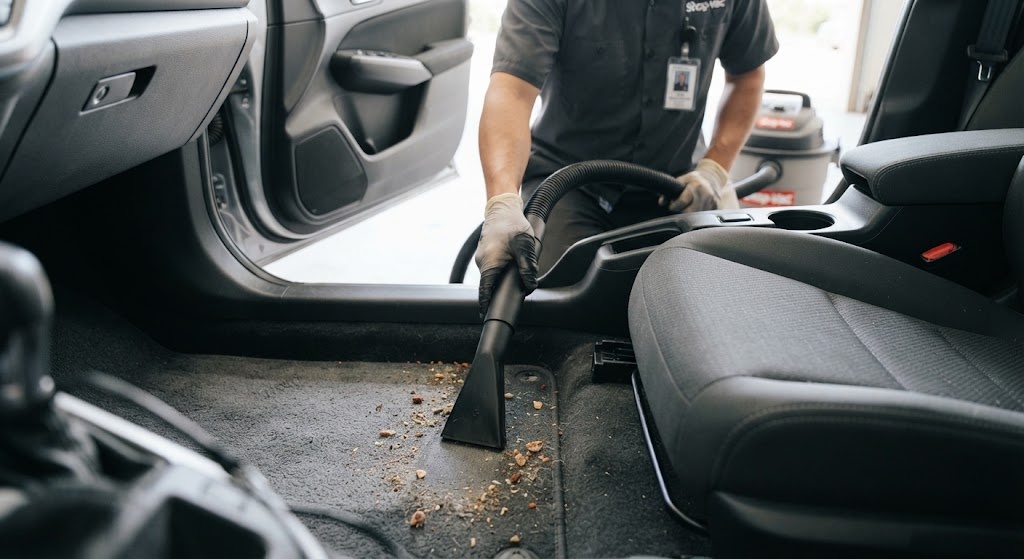
Attach a pet or upholstery tool that has bristles to your vacuum cleaner and pass it over your couch, working in a grid pattern to make sure you cover all cushions, armrests, back panels, and sides of removable pillows. Go over it on the highest suction settings possible to pull dust as well as flaky dried skin and dead, fluffy hair that gets stuck into crevices or seams of tufts. If you’re vacuuming your whole couch, unstack cushions, vacuum top and bottom, then vacuum the ‘base deck’ fabric under the cushions where loose hair tends to settle.
Next, get some straight baking soda (no other chemicals added) and cover all of your couch or fabric surface, like you would be adding spice. Baking soda is a base and it has the capability of neutralizing acid odors from your furniture’s fabric fibers, and it absorbs excess moisture and oil off the surface as well. Put it all over your fabric and let it all rest for a few hours or better yet, overnight. You should then vacuum everything off with the upholstery attachment, getting it all out.
Enzymatic Cleaners and Organic Breakdown Solutions
When simple dry deodorizing is not enough, mastering how to get dog smell out of couch foam requires using bio-enzymatic cleaning agents. Enzymatic cleaners contain specialized non-pathogenic bacteria cultures that produce natural enzymes engineered to digest organic compounds like lipids, proteins, dander, and saliva.
Enzyme cleaning is a type of organic chemistry you didn’t learn in a class. The organic fats and oils the bacteria thrive on, also called body oils/sebum or organic acids are actually eaten up by naturally-occurring bacteria enzyme called’ enzymes.’ There are two main kinds you’ll find in enzymatic cleaner sprays.
The protease enzymes digest protein matter, while the lipase enzymes work specifically on fats and oils that make up the other part of body oils.
When enzymes have gone through and eaten and digested all of this organic matter, all of the remains that are left are basic carbon dioxide and water, that evaporates into the atmosphere – no residue residue like some cleaners would leave behind!
Acid-Base Neutralization Using Vinegar and Essential Oils
Homeowners seeking a natural, non-toxic alternative for how to get dog smell out of couch covers can utilize a homemade distilled white vinegar solution. White vinegar contains acetic acid, which effectively cuts through oily sebum deposits and neutralizes alkaline odor compounds left behind by pet accidents and saliva.
Use a clean spray bottle to mix one part cool water and one part distilled white vinegar with ten to fifteen drops of pet-safe essential oil, such as lavender or chamomile, if needed. Lighty mist down the sofa fabric to break up fatty compounds and neutralize organic odors . As the acetic acid in the vinegar is allowed to break down, it helps with the neutralization of pet odors.
It is a strong odor, but it should go away entirely within a couple of hours.
Continue to well-ventilate area as it dries by leaving windows open or running your ceiling fan to hasten the evaporation. Lightly vacuum furniture as you usually would after applying light, to encourage your fabric fibers to lift back up.
Steam Extraction and Deep Cushion Washing Methods
For heavily soiled furniture where pet oils have penetrated deep into the interior core, exploring how to get dog smell out of couch foam through steam extraction offers a powerful solution. Steam injection units push high-temperature water vapor deep into upholstery weaves, dissolving hardened sebum and killing odor-causing bacteria instantly upon contact.
Before using a steam cleaner, verify that your fabric tag permits water-based treatment (code W or S/W) and ensure all surface hair and dander have been completely vacuumed away. Fill the extractor tank with hot water and a mild, low-foaming upholstery shampoo. Move the cleaning wand slowly across the fabric in overlapping passes, injecting the warm cleaning solution while using strong vacuum extraction to pull the dirty water back out of the cushions.
Take care not to saturate the internal cushion foam excessively during steam extraction. Excessive moisture trapped deep inside polyurethane foam without adequate airflow can take several days to dry, creating a secondary risk of musty mold and mildew growth. Position portable floor fans directly facing the treated sofa to promote rapid surface drying, keeping the room well-ventilated until the entire piece is completely dry to the touch.
Comparing Odor Removal Strategies Across Key Performance Factors
Determining the ideal approach for how to get dog smell out of couch cushions involves weighing performance factors like fabric compatibility, cost, labor effort, and odor elimination depth.
Baking Soda Treatment offers a low-cost, highly accessible dry option that excels at absorbing light surface odors and moisture on all fabric types. It requires low physical effort and presents zero risk of water damage, though its ability to break down deeply embedded sebum oils is limited.
Enzymatic Bio-Cleaners provide high effectiveness for permanent organic breakdown on water-safe fabrics (codes W and S/W). They completely destroy lipid fats and biological proteins at a moderate cost, though they require longer contact times and controlled drying conditions to work effectively.
Diluted Vinegar Sprays serve as a budget-friendly, natural household solution that cuts through oily sebum and neutralizes alkaline odors on water-safe upholstery. They offer fast application times, though they require good room ventilation to manage the temporary acetic acid scent.
Professional Hot Water Extraction represents the maximum depth option for severely contaminated furniture. It removes deep-seated foam odors and heavy soil loads effectively, though it carries a higher financial cost and requires professional equipment or service booking.
Mistakes That Can Permanently Damage Furniture and Worsen Odors
When attempting how to get dog smell out of couch fabrics in a hurry, avoiding common cleaning mistakes is vital to protecting your furniture from irreversible damage. Missteps can set stains permanently, ruin delicate fabric textures, or intensify the unwanted scent.
Over-reliance on heavy, scented household commercial refresher sprays is probably the #1 mistake people make with pet- soiled furniture. These sprays contain silicone-based binding agents and perfume masking agents – they just cover up pet odor with a different scent but don’t address the dissolved sebum and skin cell matter embedded within the fabric and cushion foam.
Eventually, the fake pet scent of the refresher mixes with existing organic pet oil in the cushioning, forming a gooey film that collects more dirt and amplifies existing compounds into an even more pervasive, stubborn, deep-seated odor that may be impossible to extract.
Another serious blunder is saturating interior cushion foam and interiors with water or liquid cleaner but not thoroughly extracting all moisture from within high- density furniture cushions. Leaving too much moisture trapped in the interior of high density foam essentially encourages mold, and the result will eventually be mold instead of pet odor, and in many cases will necessitate replacement of the cushion inserts altogether.
Lastly, never use potent alkaline household chemicals, bleach, ammonia, or concentrates on upholstered furniture. Ammonia is a trigger to dogs because it resembles components of animal waste product and can stimulate the animal to re-mark the furniture. Use a pH- neutral detergent, mild acid rinse, or an enzyme based cleaner solution only.
Professional Restoration and Cushion Replacement Options
When home treatments fail to yield satisfactory results, professional upholstery cleaning or component replacement provides a definitive answer for how to get dog smell out of couch furniture. Severe cases involving years of accumulated sebum, saliva, and pet accidents may surpass the capabilities of standard household cleaning methods.
Commercial upholstery cleaning processes employ industrial extraction systems that offer temperature controls, specially formulated solvent mixtures, and hi-lift vacuum motors for an incredible amount of pulling force. This equipment can deliver neutralizing compounds inside of upholstery cushion inserts while simultaneously removing virtually all moisture on the first pass. This neutralizes any potential odors in the deepest regions without harming the upholstery fabrics.
Alternatively, it is sometimes more effective to replace the inner cushion pads altogether if years of pet oil soiling has penetrated the polyurethane foam insert to the point that it can no longer be reliably cleaned and deodorized.
You can zip off the existing outer fabric covers of your upholstery sofa, launder them in a washing machine following the instructions on your particular care tag, then insert new high density foam with dacron wrapping for the best upholstery sofa odor removal.
Preventative Care and Long-Term Odor Control Strategies
Once you have mastered how to get dog smell out of couch cushions and successfully restored your living room furniture, adopting proactive care routines will keep pet odors from returning in the future. Prevention is far easier than deep cleaning embedded organic oils after months of accumulation.
Installing washable couch covers for pet owners, throw blankets, or dedicated pet blankets over your dog’s favorite lounging spots creates a protective physical barrier against sebum, dander, and dirt. Choose tightly woven, machine-washable fabrics and launder them weekly in warm water with standard laundry detergent to keep oils from migrating through to the primary sofa fabric beneath.
Maintaining a consistent dog grooming routine to reduce shedding and dander significantly reduces the amount of oil and dander transferred to your furniture. Regular brushing removes loose fur and dander before it lands on seat cushions, while periodic baths using a mild, moisturizing dog shampoo keep sebum production balanced without drying out your pet’s skin.
Additionally, consider running a HEPA air purifier for pet dander and household odors equipped with an activated carbon filter in the living room near your main seating area. HEPA filtration captures airborne pet dander and shedding particles before they settle into upholstery fibers, while activated carbon continuously absorbs volatile organic compounds and pet odors from the surrounding air.
Frequently Asked Questions
1. How often should I apply baking soda to my couch to keep dog smells away?
Applying a light layer of baking soda to your upholstery once every two to four weeks acts as an effective maintenance routine. Leaving it on the fabric for an hour before vacuuming prevents minor sebum deposits and everyday pet dander from accumulating into heavy, stubborn odors.
2. Can I use laundry detergent to clean dog odors off my couch?
Clear, dye-free liquid laundry detergent can be used if diluted properly in warm water and applied sparingly to fabrics with care code W. Avoid using excessive detergent, as leftover soap residue stays in the fabric fibers and attracts fresh dirt, oils, and pet dander rapidly.
3. Why does my couch smell worse right after I spray it with an enzymatic cleaner?
Enzymatic cleaners rehydrate dried organic compounds, sebum oils, and bacteria deposits as they begin breaking them down. This temporary rehydration temporarily increases scent release, but the odor will diminish significantly as the enzymes finish digesting the organic matter and the fabric dries completely.
4. Will a steam cleaner set pet odors permanently into the sofa fabric?
If you attempt steam cleaning prior to fully extraction, it could actually bond protein spills such as urine or blood stains. Having a steamer used may NOT however bond general odor from dog body Oils or animal dander. The actual heat associated with the steam does however break down and bind together odors causing organisms and the use of a strong degreaser can readily break down pet dander or dog Oils as long as you vacuum regularly and clean the organic soiled areas of the rug prior.
5. Are essential oils safe to use in natural sofa deodorizing sprays around dogs?
Many essential oils, including tea tree, citrus, pennyroyal, and wintergreen, are toxic to dogs if ingested or inhaled in high concentrations. If you add essential oils to homemade vinegar sprays, use extremely low concentrations of dog-safe oils like lavender or chamomile, and keep the area well-ventilated.
6. What is the fastest way to get dog smell out of a microfiber couch?
Microfiber fabrics react well to isopropyl rubbing alcohol or clear, high-proof spirits sprayed lightly over the surface and scrubbed gently with a clean white sponge. Alcohol dissolves oily sebum deposits quickly, neutralizes odor-causing bacteria, and evaporates rapidly without leaving water rings on the synthetic material.