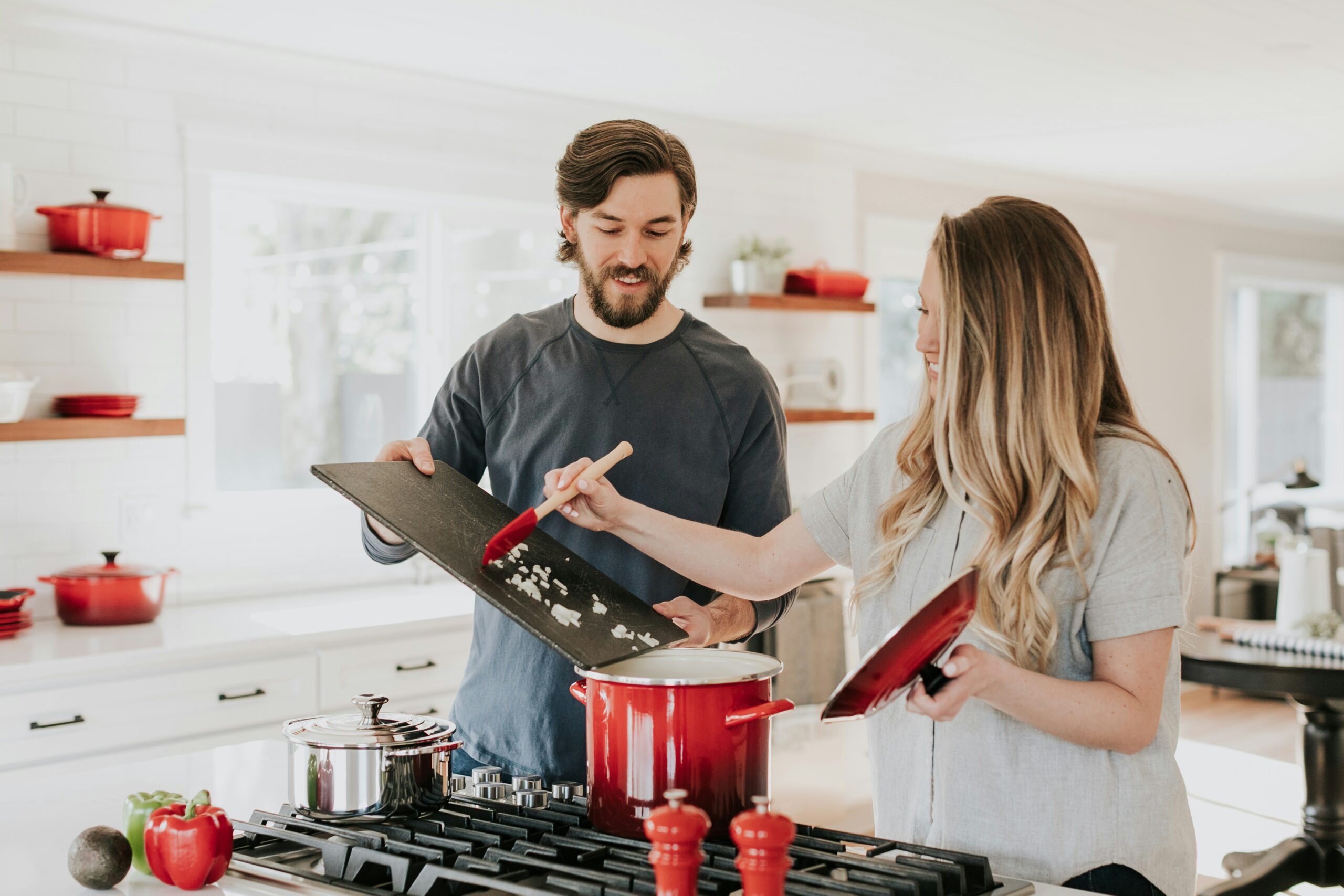
Cooking for One Simple Reasons Mistakes and Helpful Ideas
Alone in the kitchen, you might feel stuck when mealtime comes around. When schedules clash with others at home, or school keeps you busy, feeding just yourself can twist into something trickier than expected. Family-sized dishes rarely fit solo needs, so standard methods fall short pretty fast. Recipes usually target groups, making small portions an afterthought more often than not. Store shelves stock bulk items like nobody eats alone – which adds its own kind of friction. Making do means adjusting, shifting gears without much help from the usual setup.
Because of this, lots of folks find themselves stuck with extra food, tossing out meals, eating the same thing every day, yet still reaching for delivery boxes. Luckily, making something just for you doesn’t mean stress or boredom in the kitchen. When approached with calm thoughts, smart routines, then clever ways to cook, putting together a plate solo might actually turn satisfying – even fun. Inside these lines lies what truly matters when feeding only yourself: how to plan bites ahead, stretch ingredients without strain, skip frequent blunders, hear from those who’ve been there, plus fix everyday hiccups that pop up.
A thoughtfully designed cooking space can visit home page for solo meal preparation more efficient and enjoyable throughout the week.
Why This Topic Matters
Nowadays meals look different than they did ten years ago. Living solo means cooking just for one, especially when jobs or studies pull someone far from home. Working from a laptop at noon instead of an office shapes how lunch gets made. Schedules spread thin leave little room for shared dinners. Prepping food becomes personal, moment by moment.
Even now, plenty of cookbooks stick to serving four or more. That mismatch leaves single cooks guessing what to do.
Most times, skipping meal prep when eating alone leads to trouble. Leftovers go bad fast, money gets tight at checkout lines, cooking starts feeling like a chore. Portion sizes seem off, so people grab ready-made stuff instead. Boredom sneaks into dinner plates after a while.
Start by cooking just one meal alone each week – this small step builds better routines over time. A quiet moment stirring a pan can boost your belief in what you’re able to make. Joy often shows up when food tastes like care instead of rush.
Cooking Alone Comes With Its Own Set of Difficulties
One person at a meal changes everything about how you cook compared to feeding several.
Most times, portion size trips people up right away. Four to eight servings pop up a lot, which means you’ll need to tweak things quite a bit. Same dish on repeat? It might start losing its charm after day two or three. Leftovers help – just maybe not every single time.
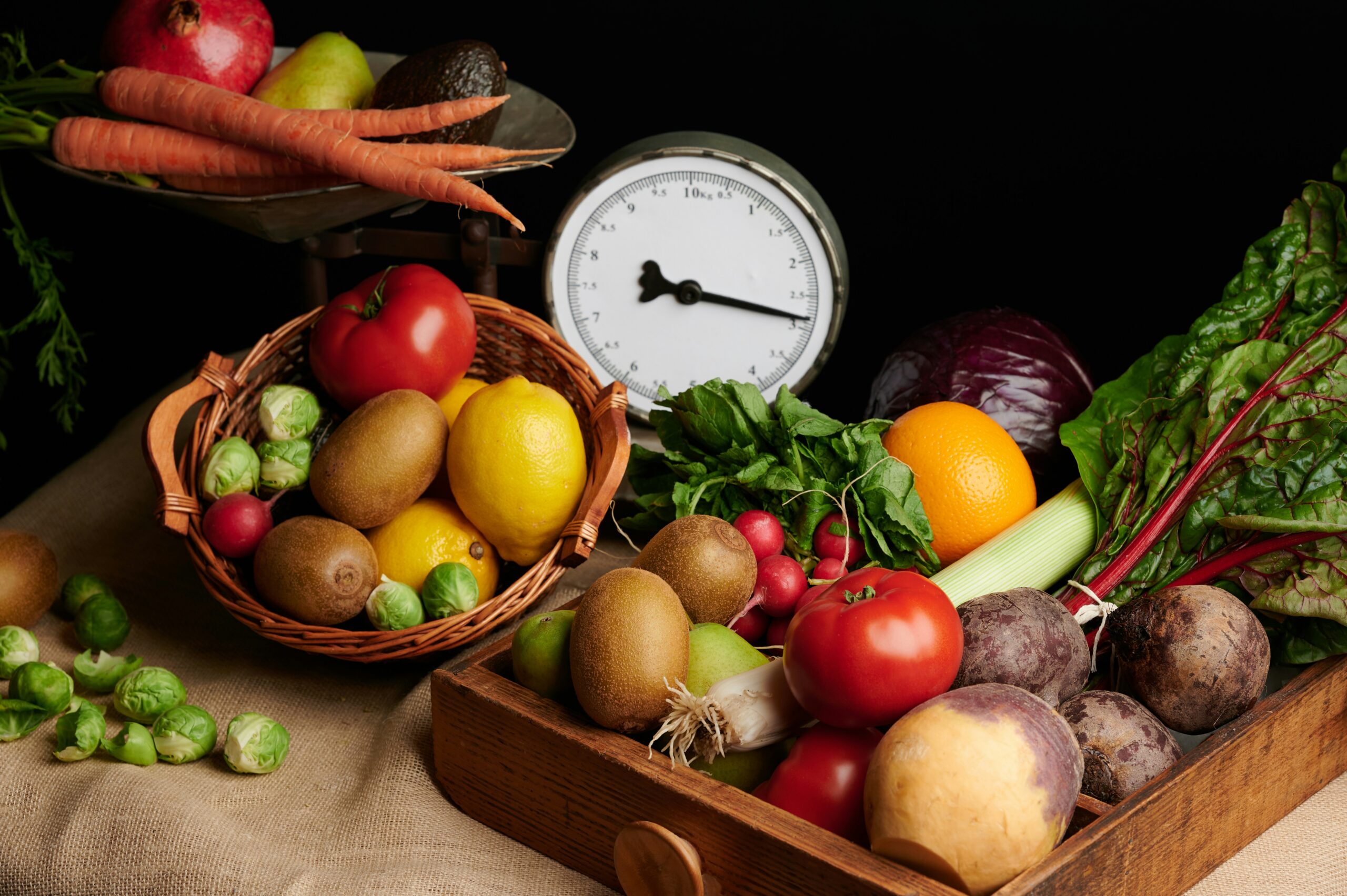
Fresh veggies or a big bunch of herbs might go bad too soon without smart planning. When meals lack attention, extra ingredients tend to sit too long instead of getting used.
Motivation trips folks up too. Meals might seem pointless if no one else will eat them. Yet treating time in the kitchen like tending to yourself changes how it feels. That mindset swap? It alters everything.
Getting clear on typical roadblocks marks a starting point – ways through often follow once seen.
The Mindset Change That Helps When Cooking Alone
Most folks figure when it’s just them at the table, fancy dishes aren’t worth the effort.
Truth is, making food just for you should matter as much as when someone else gets a meal from your hands.
A meal doesn’t need fancy steps or perfect looks on a plate. What matters? It fills you up, fuels your body, tastes good. That’s enough.
Most of the time, what matters isn’t how much you eat but how well it’s made. Sometimes a single serving, cooked slowly, tastes better because attention went into it instead of speed.
Now cooking feels less like a chore, more like something worth doing each day.
Simple meal planning without extra steps
Planning meals ahead turns out to be a solid way to cook well when it is just you.
What matters most is building room to breathe, not locking every hour into place. A loose structure helps ease the weight of constant choices across days.
Bake the potatoes one day, then use them cold in salads the next. Try chickpeas tossed with spices today, mashed into wraps tomorrow. Roast a tray of carrots, reuse some in soups midweek. Brown lentils tonight might stir into tomato sauce by Friday. Swap herbs between meals to stretch flavor. Reuse grilled chicken bones for broth later. Mix grains like barley into stews or serve flat. Build bowls around whatever greens remain.
A mix of roasted veggies could show up inside a grain bowl today, find its way into a tortilla tomorrow, then sit beside grilled chicken halfway through the week.
Still, it cuts down on trash without losing options.
Start with less. Some folks who cook alone find it calms things down when they map out meals ahead. A bit of structure cuts through the rush later on. Fewer surprises show up during busy weeks.
Planning Single Servings with Variety
A full plate feels right once you see how pieces fit together. What matters most? Knowing where things belong makes dinner make sense.
Protein often shows up on plates alongside veggies, while carbs sit nearby – fat makes an appearance too, just in smarter forms.
A single dish might include grilled chicken alongside roasted vegetables, with brown rice underneath and olive oil poured lightly on top. This kind of plate comes together quickly, needing little more than basic cooking steps.
The same principle applies across cuisines and cooking styles.
Most people cooking alone find it helps more to learn how foods mix well – instead of following exact meal plans each day.
Those looking for creative meal ideas tailored to single servings can discover plenty of inspiration through this collection of cooking-for-one recipes.
Because it bends easily, new ideas tend to grow even as picking food and making meals gets less complicated.
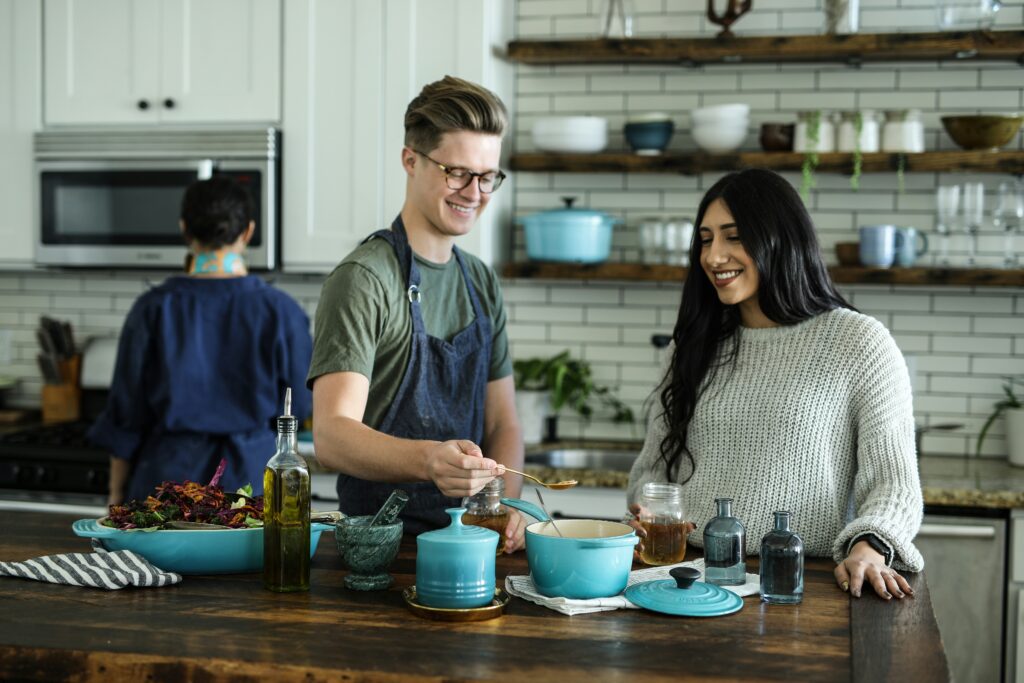
Smart Grocery Tips for Solo Cooking
Picking food at the store shapes what happens later, long before the first pan heats up.
Most people buy groceries simply because a recipe tells them to.
That habit often leaves extra food sitting around. Not everything gets used.
Choosing items that work in several recipes makes meal prep easier. One ingredient might fit breakfast, lunch, or dinner without extra effort. This kind of planning saves time later on. Some foods stay fresh longer when stored right. Flexibility matters just as much as flavor here. What you pick today could shape meals tomorrow too.
Besides omelets, spinach works well in sandwiches, salads, pasta dishes, and grain bowls.
Leftover rice or chicken might turn into soup one day, then a stir-fry the next. A single batch stretches across lunches and dinners without repeating itself exactly.
What matters most isn’t narrowing choices – it’s building room for more ingredients to work.
This way, meal prep gets easier while cutting down waste, little by little. Over time, things tend to streamline on their own.
The Place of Leftovers in Cooking Alone
Leftovers are often misunderstood.
Most folks think leftover food is just repeating yesterday’s plate. Yet those extra portions might instead become parts of something new.
Take roasted chicken made Monday – by Tuesday it could be tucked into tacos, then later scattered over greens Wednesday.
By mixing things up, this method cuts down on kitchen hours. Cooking gets quicker when steps change now and then.
Leftovers turn into fresh starts when seen as pieces instead of endings. Cooking alone stays easier once you treat yesterday’s food like tomorrow’s base.
A Busy Professional Living Alone
Picture someone spending their whole day at work, then coming back tired every night. Energy runs low once they walk through the door. Cooking feels like too much effort after hours of meetings and tasks. Even simple meals take planning they do not have time for. Their kitchen stays quiet instead of smelling like dinner. Most nights end with whatever is fastest, not what is best.
At first, grabbing food outside turned routine since making something alone seemed like too much effort.
Weekends turned into prep time once the person settled into an easier way of organizing meals. Roasted veggies, along with rice that was already cooked, sat ready in containers. Grilled proteins were added too, ready to be used in quick meals later. This small shift made weekday eating less frantic. Each component worked across different dishes without extra effort.
Each day brought a new mix of those items, shaping up into separate dishes by nightfall.
Meals became calmer because people threw away less. Fewer leftovers meant easier cleanup after eating. Satisfaction grew when routines felt more predictable.
A shift like this shows tiny tweaks might lead to real gains.
cooking alone mistakes people make
Some seasoned cooks still face hurdles now and then.
Cooking Meals for Families Without Changing Recipes
One dish often leaves too much when you eat alone.
Leftovers sit forgotten when there is no clear way to handle them.
Too Many Perishable Items Bought
Most people like fresh fruits and vegetables, yet buying too much means some will spoil before getting eaten.
Skip Meal Planning
A single misstep in timing can leave fresh items rotting on the shelf. What seemed like plenty yesterday turns into waste by tomorrow morning.
Relying on Takeout Too Much
Most people like quick meals, yet leaning too much on ready-made options might weaken kitchen skills while raising costs over time.
Ignoring Freezer Storage
Freezers can be valuable tools for preserving ingredients and prepared meals.
One cook often skips using this tool entirely.
Troubleshooting Common Problems
I Keep Letting Food Go Bad
Start by checking what you buy for cooking, then shift attention to ingredients useful in more than one dish. Maybe look at spices or vegetables that fit different recipes instead of single-use things. Think about grains like rice or beans – those show up often in various plates. Using overlap helps lower waste without extra effort later on. What gets bought should pull weight in several spots around your meal plan.
Occasionally, going out for just a few items works too.
Cooking Feels Hard Some Days
Simplify expectations.
Sure, a dinner can be just one dish. Sometimes fewer steps work better than long ones. A single plate might satisfy more than layers of effort. Simple solutions are often better than complicated ones. One good thing done well? That holds its own.
I Get Bored Eating the Same Thing
Transform leftovers into different meals rather than repeating the same dish.
Trying new spices might help. Different ways of preparing food sometimes surprise you. Switching up how something is cooked usually changes the taste. A different sauce now and then brings something fresh.
Fresh Ingredients Don’t Last Long
Start with foods that spoil quickly, saving those that last longer for later in the week. A meal built today on fresh greens might shift next time toward canned beans or dried grains.
I Dont Know What to Cook
Create a list of simple meal combinations using ingredients you regularly enjoy.
Less choice each day means fewer choices to sort through by noon.
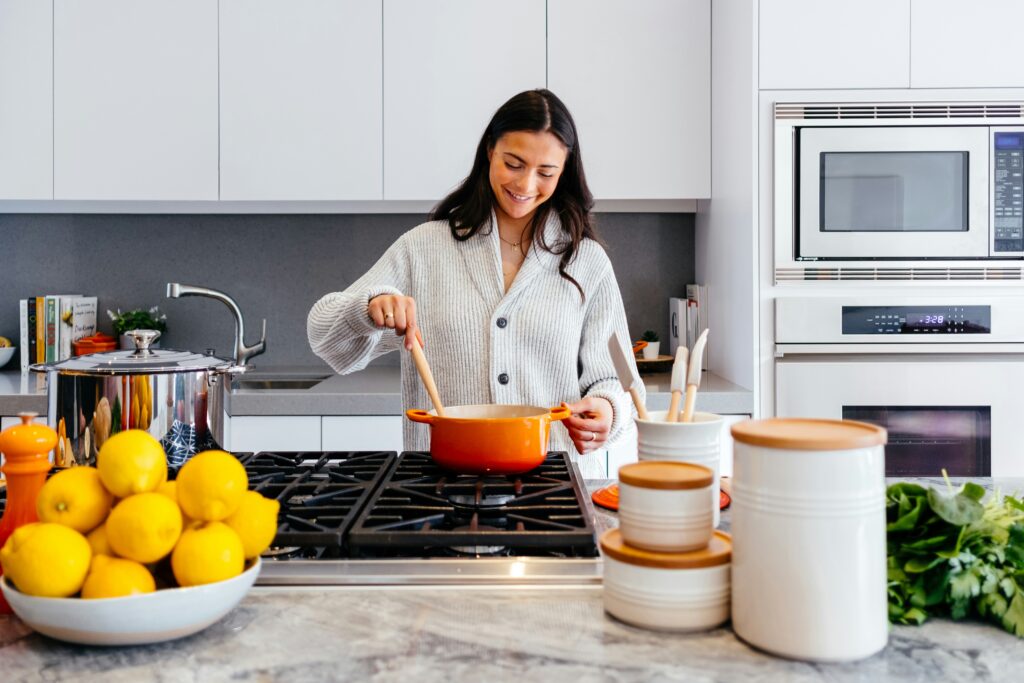
Cooking Well When Youre Alone
Most cooks who work in restaurants care more about speed than fancy steps. Efficiency matters a lot when meals pile up fast.
Start by getting your basics ready ahead of time – no need to cook full dishes. Think chopped veggies sitting handy, grains already done, proteins split into servings. Mix them up day by day however fits. How you combine them changes each meal without extra effort.
Pantry stocked full makes meals easier later. When produce fades, rice stands ready alongside pasta, beans too – even canned tomatoes wait quietly on shelves. Seasonings linger nearby, useful suddenly if plans change fast.
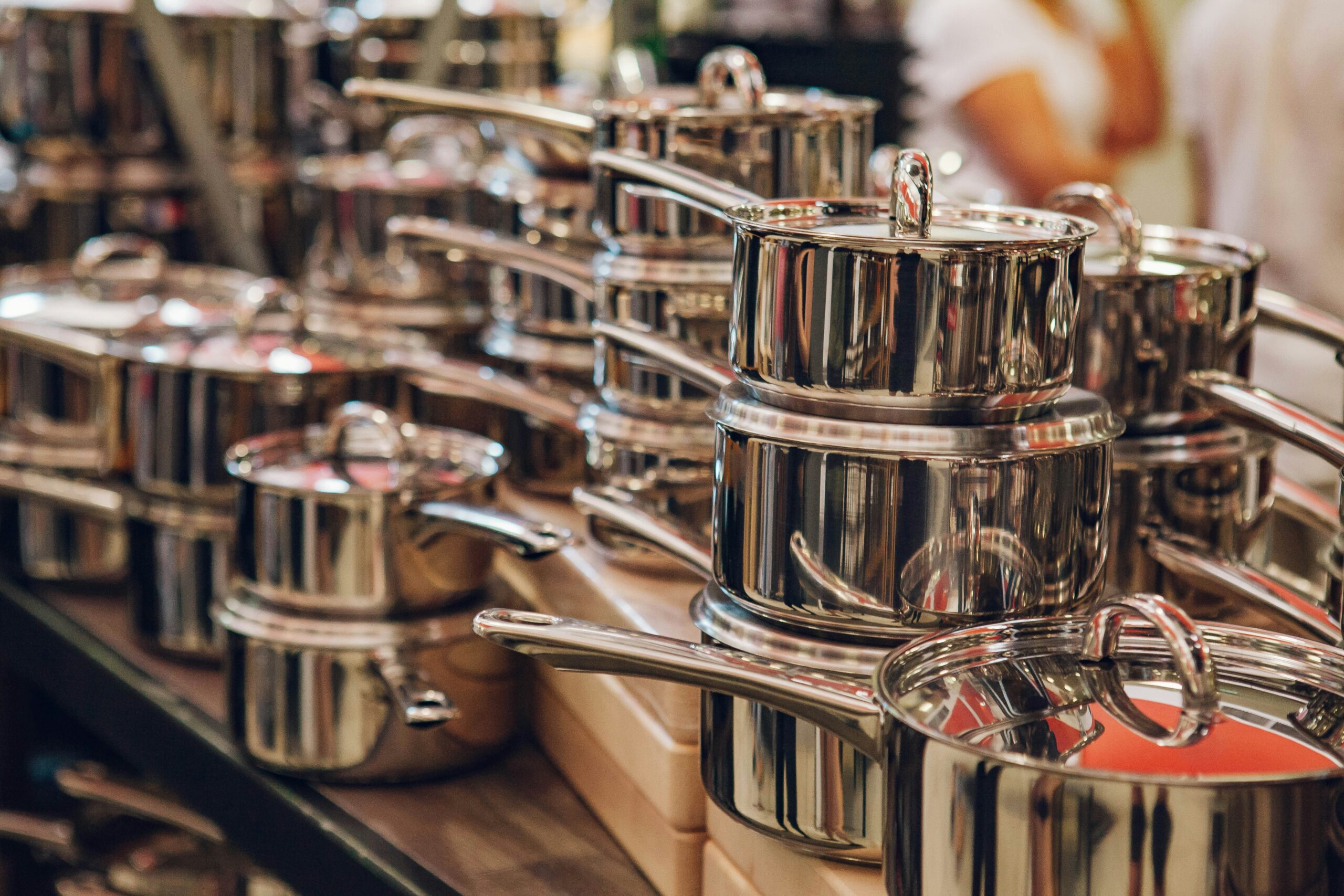
For better results, choose cookware that fits your needs. Too big a pot might waste energy when making tiny meals.
Compact tools tend to make tasks easier while also boosting outcomes. Even though they’re small, they make a big impact when it counts.
Last of all, choosing simple ways keeps things steady. What matters isn’t flawless meals, just routines that last.
Turning food waste into smarter meal choices
A lone grad student noticed fresh veggies often went bad before they got eaten. Most shop visits ended with wilted greens and forgotten jars at the back of the fridge. With no one else around, meals rarely used what was bought. Stockpiles piled up over weeks – unopened spices, half-used bags – until dates passed quietly. The pattern repeated: cart full on Sunday, waste by Thursday.
Weeks of watching thrown-out meals led the student to notice something odd – ingredients kept getting bought even when there was no real reason to use them soon. A habit had formed, one where shopping didn’t match actual eating.
Built on shared components, each dish came together without relying on separate formulas. Instead of isolated ideas, cooking followed where elements already met.
One month passed. Plates held less leftover scraps. Trips to the store felt lighter, somehow smoother. Fewer bags came inside. Routines settled without much notice.
Take this scenario. A bit of thought, a clear head – suddenly making meals alone feels smoother. Small changes can make things more effective without adding more work.
How People Cook When They Eat Alone
There are several common approaches to solo cooking.
Every day, a few people cook new dishes from scratch. While that brings plenty of different flavors, it also means extra effort and thinking ahead.
Some folks lean into making big batches, dishing out several meals together then saving extras for down the line.
Most folks find a mix of methods fits their rhythm. Some parts get made ahead, yet dinners come together day by day. Starting early saves time later, still keeps flavors sharp when eaten.
Whatever works best changes from person to person, shaped by daily routines and how much time feels free at home. Kitchen hours shift the balance too.
Most important? Building a routine you can stick with, day after day. A setup that doesn’t drain you weeks down the line. Something that holds up, even when motivation fades. The real win lies in consistency without burnout. Longevity shapes better results than intensity ever could.
Eating Alone Can Be Pleasant
Most people forget how eating alone feels when they cook just for themselves.
Alone at the table, folks often chew fast, treating dinner like chores instead of moments to reset. A bite between emails feels urgent, yet slowing down could shift everything without adding time.
Pausing briefly before eating helps. A calm seat at the table changes things. Food feels different when arranged with care. Screens turned off, the moment grows clearer. Distractions fade like background noise. Attention sticks around longer than usual. The first bite arrives without hurry. Enjoyment shows up quietly, already present.
Most people feel better after trying it, which leads them to choose food more thoughtfully. A small change, really, yet it tends to stick once started.
Start small. A single meal feels better when you slow down, notice how light hits the counter, smell ingredients before they hit heat. Instead of rushing through steps, pause – listen to water boil or oil crackle. Focus shifts naturally then, away from just chopping or stirring. Enjoyment grows quietly, tied less to speed, more to presence. The act stretches wider somehow, even if time stays short.
Frequently Asked Questions
One person at the table – does that make meals harder to prepare compared to feeding several?
Every meal brings its own hurdles – watching how much you eat, keeping track of what goes in – yet things smooth out once you organize ahead, then do it again and again. Eventually, the rough edges wear down.
How can I reduce food waste when cooking for one?
Start with pieces that work in many dishes, figure out your meals ahead of time, while turning extra food into new options later in the week.
Batch Cooking Meals Pros And Cons?
Some folks skip batch cooking altogether – instead they chop things ahead of time, then put dishes together later when hunger hits. While one method saves hours upfront, another spreads the work out across days without full meals stacked in containers.
What foods are useful for solo meal preparation?
Staples like grains or veggies tend to fit into many dishes. Proteins show up again and again on different plates. Pantry items? They usually pull double duty without fuss. Mix them in, layer them through – flexibility keeps things moving.
How Often Should You Grocery Shop?
Often, quick stops at stores mean less food spoils before use. Food stays fresh longer when you buy groceries in smaller amounts.
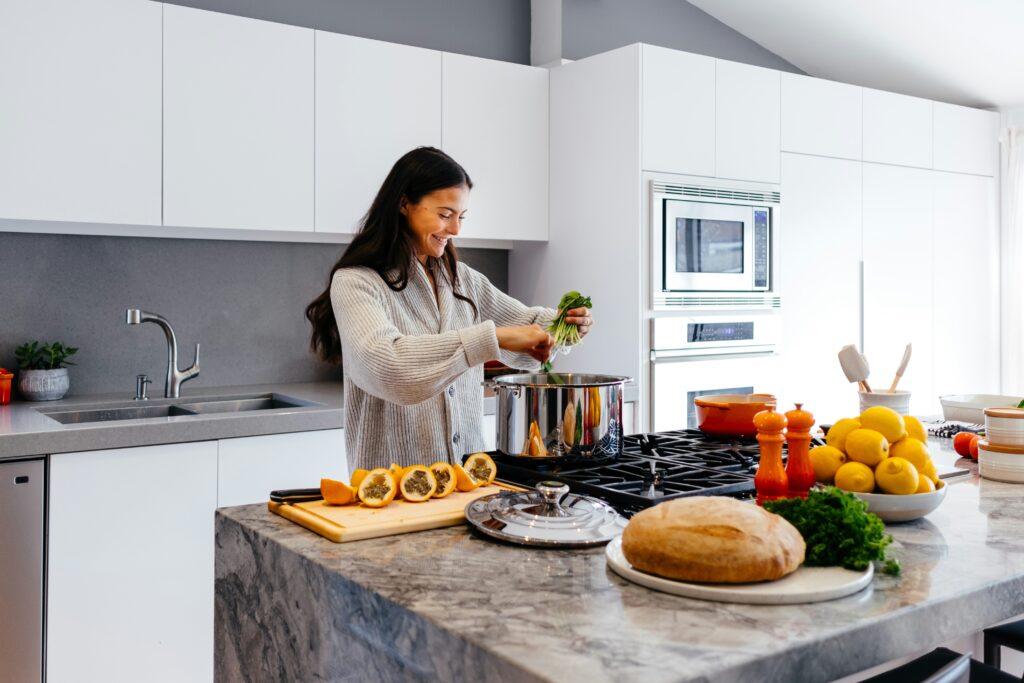
Is it possible to find joy in making meals just for yourself?
For sure. Once folks get into a rhythm, making food by themselves often feels satisfying – especially when they cook dishes they truly like. Efficiency helps too, turning the process into something more personal, even enjoyable over time.You can expore more family base articles on our home page.
Related Articles
Curious about better ways to plan meals or cook at home? Look into these ideas next
- Easy Meal Prep Strategies for Busy Weeks
- Understanding Portion Sizes at Home
- How to Reduce Food Waste in the Kitchen
- Pantry Essentials for Everyday Cooking
- Healthy Weeknight Meal Planning Ideas
Conclusion
One plate at a time, cooking alone isn’t just scaling down a big meal. It needs different thinking, fresh routines, along with new ways to handle food. Portion size matters – so does smart shopping, weekly ideas, and turning extra bits into something tasty later on. Seen as a chance instead of a hassle, solo prep opens doors: choose what you like, skip the rush, grow stronger in the kitchen without pressure. A bit of forward thought, plus steady methods, turns single servings into moments worth savoring each day.