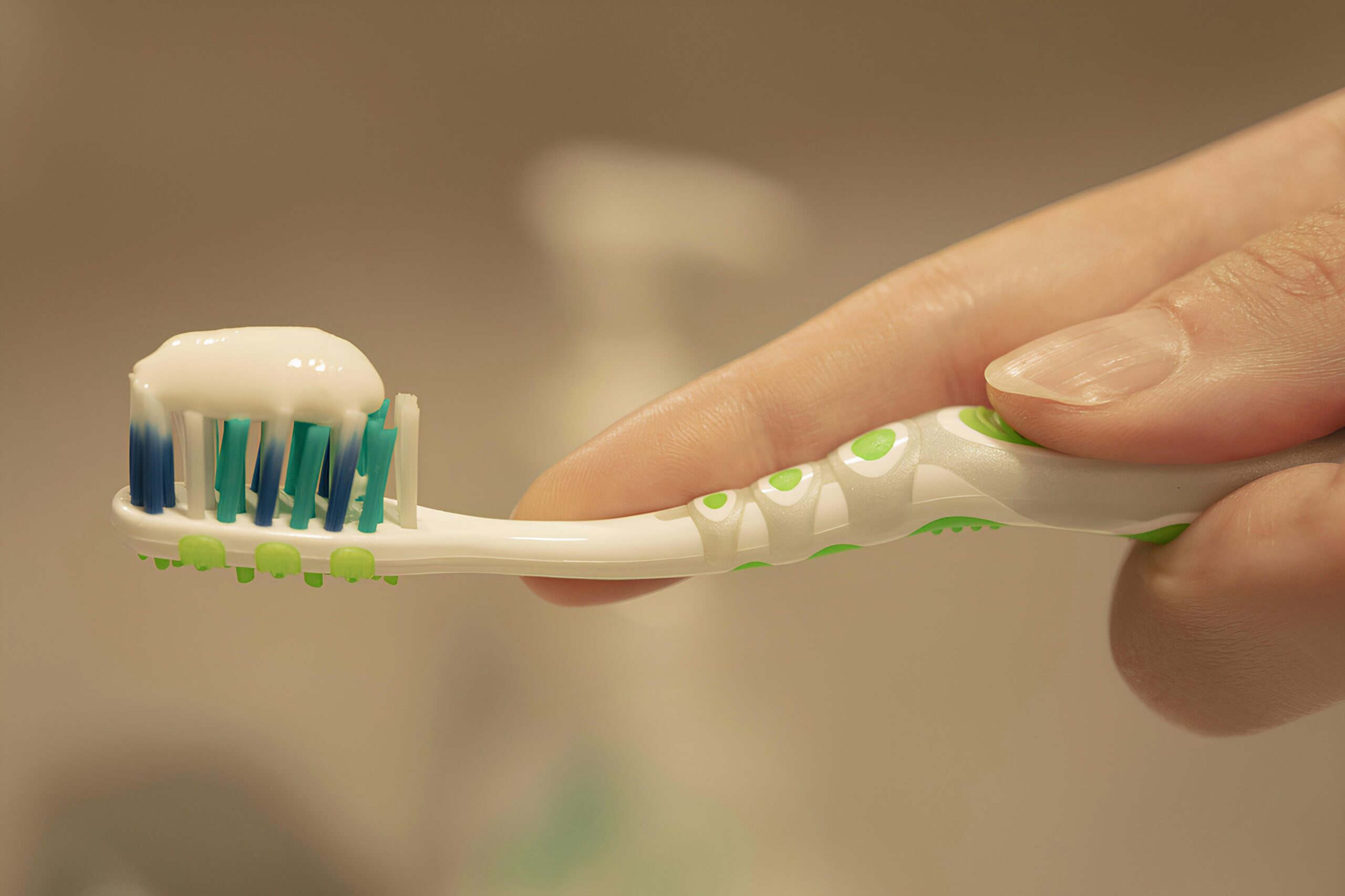
Here it comes, in the midst of the morning frenzy: a butterfinger moment sending a plump blob of toothpaste splat right onto your favorite shirt. Learning how to get toothpaste stains out of fabrics in a hurry can prevent dingy white chalk residue on your clothing for all time. While a splatter of toothpaste seems simple enough to remove, attacking it frantically with a damp paper towel generally forces the pastes further into the fibers and causes a recurring, unyielding mark to emerge with every washing!
From a freshly smeared dab on your navy crewneck t-shirt, a dried mark on your elegant silk blouse to an insistent discoloration from a bleaching agent.
Modern day toothpastes are ingenious blends of chemical ingredients – mild abrasives, bonding ingredients, surfactants responsible for producing foaming, as well as whiteners such as titanium dioxide along with added colors, mostly blue and red artificial coloring agents; these elements may cause interaction with particular types of clothing fabric.
Why Toothpaste Stains Are Tricky
Understanding the chemistry of the spot makes learning how to get toothpaste out of shirt fabrics much easier. Toothpaste is not just a water-soluble soap; it is designed to adhere to surfaces and break down plaque through friction.
+—————————————————————————————+
| Key Toothpaste Ingredients & Fabric Impact |
+————————–+————————————————————+
| Ingredient Type | Action on Garment Fibers |
+————————–+————————————————————+
| Calcium Carbonate & | Fine insoluble powders that get trapped between woven |
| Hydrated Silica | threads, leaving a chalky haze when dry. |
+————————–+————————————————————+
| Titanium Dioxide | A heavy white pigment that acts like paint, coating |
| | dark fibers and resisting simple water rinses. |
+————————–+————————————————————+
| Hydrogen Peroxide & | Active bleaching agents that can permanently lift color |
| Carbamide Peroxide | from dyed fabrics if left sitting too long. |
+————————–+————————————————————+
| Artificial Dyes | Colorants (Blue 1, Red 40) that bond to natural fibers |
| | like cotton or wool, requiring targeted solvent removal. |
+————————–+————————————————————+
When you understand that toothpaste combines insoluble abrasives, heavy pigments, and potential bleaching agents, it becomes clear why a quick wipe with a damp cloth often fails. The key is lifting the physical residue off the surface before dissolving the water-soluble binding agents underneath.
What to Do Immediately: Emergency On-the-Go Protocol
If you are at work or getting ready for an event and need to know how to get toothpaste out of shirt fabrics without taking off the garment, follow this swift three-step emergency routine.
┌──────────────────────────────────────────────────┐
│ Step 1: Scrape Off Surface Excess Dry │
│ (Use a dull edge; do NOT rub or press down) │
└────────────────────────┬─────────────────────────┘
│
▼
┌──────────────────────────────────────────────────┐
│ Step 2: Flush from the REVERSE Side of Fabric │
│ (Pushes particles out instead of driving them in)│
└────────────────────────┬─────────────────────────┘
│
▼
┌──────────────────────────────────────────────────┐
│ Step 3: Blot Gently with a Damp Microfiber │
│ (Lift remaining moisture with tapping motions) │
└──────────────────────────────────────────────────┘
1. Scrape, Do Not Rub
Take a butter knife, the edge of a credit card, or a clean fingernail and gently lift the excess blob off the top of the fabric. Never use a cloth to wipe a fresh glob of toothpaste. Wiping spreads the paste over a wider surface area and drives the fine abrasive silica directly into the weave of the fabric.
2. Flush from the Back
If you can take the shirt off, turn it inside out and run cool water directly over the back of the stained area. Flushing from the back pushes the toothpaste particles outward, away from the fibers, rather than pushing them through to the other side.
3. Blot Tightly with Water
If you cannot take the shirt off, dampen a clean cloth or paper towel with cool water. Press the wet cloth firmly against the spot and lift straight up. Repeat this blotting motion using clean areas of the towel until the white film disappears.
Step-by-Step Cleaning Solutions by Stain Type
Different toothpaste formulations require slightly different cleaning approaches. Choosing the right method ensures you remove both the white pigment and any underlying oily or dyed residue.
+—————————————————————————————+
| Solution Selection Matrix by Paste Type |
+————————–+————————————————————+
| Toothpaste Category | Recommended Primary Treatment |
+————————–+————————————————————+
| Standard White Paste | Cool water flush followed by liquid laundry detergent. |
+————————–+————————————————————+
| Gel Toothpaste (Colored) | White vinegar pre-soak to break down synthetic dyes. |
+————————–+————————————————————+
| Whitening Formulas | Immediate cold water flush; do not apply heat or steam. |
+————————–+————————————————————+
| Dried / Set-In Spot | Warm water rehydration soak + oxygen-based stain remover. |
+————————–+————————————————————+
Method A: Standard Liquid Detergent Spot Treatment
For basic paste on cotton, polyester, or blended fabrics, clear liquid hand soap or laundry detergent is usually all you need to lift the binder.
- Flush the Spot: Run cool tap water over the affected area to loosen the dried binding agents.
- Apply Detergent: Work a few drops of liquid laundry detergent directly into the mark using your thumb or a soft-bristled toothbrush.
- Rest: Allow the detergent to sit on the fabric for 5 to 10 minutes to break down the surfactants and binder.
- Rinse Thoroughly: Rinse the spot under cold running water, massaging gently until no suds remain.
- Wash Normally: Toss the shirt into your standard laundry cycle according to the garment’s care label.
Method B: The White Vinegar Solution for Colored Gels
Colored gel toothpastes often leave a faint blue, green, or red dye mark behind even after the white paste is rinsed away. Diluted white vinegar breaks down synthetic colorants effectively.
- Mix one part distilled white vinegar with two parts cool water in a small bowl.
- Dip a clean white cloth into the vinegar solution and saturate the stained area.
- Gently rub the fabric against itself in small circular motions to release the dye trapped in the fibers.
- Rinse the area thoroughly under cold water to clear the vinegar scent and loosened dye.
- Inspect the shirt under bright light. If dye remains, repeat the process before laundering.
Method C: Removing Whitening Toothpaste Risks
Whitening toothpastes contain mild bleaching agents like hydrogen peroxide. If you wonder how to get toothpaste out of shirt fabrics when using whitening formulas, speed is essential to prevent permanent color loss.
- Immediately submerge the spot in cold water to dilute the active peroxide.
- Avoid applying hot water or pressing the area with an iron, as heat accelerates the chemical oxidation process and can permanently bleach dark dyes.
- Work a drop of enzyme-rich liquid detergent into the spot immediately and wash the shirt right away.
Fabric-Specific Handling Rules
Not all garments react to water and rubbing in the same way, so following these laundry care tips can help prevent damage while treating everyday stains
+—————————————————————————————+
| Fabric Material & Technique Adjustments |
+————————–+————————————————————+
| Material Type | Special Treatment Guidelines |
+————————–+————————————————————+
| Cotton & Linens | Durable. Can handle gentle brushing with a soft brush |
| | and warm water flushes without damaging fibers. |
+————————–+————————————————————+
| Synthetics (Polyester, | Oleophilic (oil-attracting). Requires liquid soap to break |
| Nylon, Rayon) | down flavor oils and binders thoroughly. |
+————————–+————————————————————+
| Delicates (Silk, Wool, | Do not scrub. Spot-test water on an inside seam first. |
| Cashmere) | Use specialized wool/silk detergent or seek dry cleaning. |
+————————–+————————————————————+
| Leather & Suede | Never soak. Wipe leather with a barely damp cloth. Brush |
| | dried suede gently with a suede eraser or stiff dry brush. |
+————————–+————————————————————+
Treating Silk and Delicate Fabrics
If paste gets on a silk dress shirt, rubbing the spot hard will chafe the fibers and leave a dull, fuzzy mark forever. Dip a cotton swab in cool water and blot the spot, from outside edges in. If a ring develops when the shirt dries, take it to a professional dry cleaner, and tell them the stain is from toothpaste.
Common Mistakes That Ruin Garments
When figuring out how to get toothpaste out of shirt materials, avoiding these frequent laundry errors will protect your wardrobe from permanent damage.
- Putting the Shirt in the Dryer Before the Stain Is Gone: Heat from a tumble dryer bakes lingering titanium dioxide or hydrated silica directly into the core of synthetic threads. Always verify that the white haze is completely gone while the shirt is still wet before throwing it in the dryer.
- Scrubbing Heavy-Handedly: Aggressively scrubbing a wet spot with a paper towel can break or fray surface fibers, causing pilling and noticeable color fading, especially on dark cotton tops.
- Using Bleach on White Shirts with Gel Marks: If you get a blue gel paste on a white shirt, applying chlorine bleach right away can react with the optical brighteners in the paste, setting a yellow ring around the spot. Use vinegar or an oxygen-based bleach instead.
- Leaving Whitening Paste to Dry: Allowing peroxide-based paste to dry on dark clothing over several days often results in small bleached spots that cannot be restored by washing.
How to Handle Dried, Set-In Toothpaste Stains
Discovering a crusty toothpaste mark on a shirt that has already sat in the hamper for several days requires a slightly different approach. The binding agents in the paste have hardened, bonding the titanium dioxide to the threads.
┌──────────────────────────────────────────────────┐
│ Step 1: Submerge Spot in Warm Water (15 Mins) │
│ (Softens hardened binders and binder starches) │
└────────────────────────┬─────────────────────────┘
│
▼
┌──────────────────────────────────────────────────┐
│ Step 2: Apply Oxygen-Based Stain Remover Spray │
│ (Penetrates deep into the fabric matrix) │
└────────────────────────┬─────────────────────────┘
│
▼
┌──────────────────────────────────────────────────┐
│ Step 3: Flex and Agitate Fabric Under Water │
│ (Mechanically releases trapped mineral particles) │
└────────────────────────┬─────────────────────────┘
│
▼
┌──────────────────────────────────────────────────┐
│ Step 4: Machine Wash on Gentle Warm Cycle │
│ (Completely flushes out all dissolved residue) │
└────────────────└─────────────────────────┘
[When learning how to get toothpaste out of shirt fabrics after the paste has completely dried, patience is key, and understanding the right laundry stain removal tips can help protect the fabric. Soaking the garment in warm water rehydrates the dried gums and starches used to keep toothpaste thick. Once rehydrated, applying an oxygen-based stain remover or dish soap will quickly break down the remaining mineral deposits so they wash away cleanly in the machine.
Prevention and Daily Habits
Preventing toothpaste splatters is far simpler than treating them during a busy morning routine, just as following practical clothing care tips can help keep everyday garments looking their best
- Brush Before Dressing: Make it a habit to complete your morning oral hygiene routine in your undershirt, bathrobe, or pajamas before putting on your work shirt or evening attire.
- Lean Over the Sink: Stand closer to the basin and lean forward while brushing to catch any accidental drips.
- Use the Right Paste Amount: Using a pea-sized amount of toothpaste—as recommended by dental professionals—reduces excessive foaming and minimizes the risk of drips landing on your clothing.
Mastering how to get toothpaste out of shirt garments comes down to quick action, gentle handling, and using cool water flushes to lift paste particles out of the weave. By following these practical steps, you can keep your favorite clothes clean, vibrant, and free of stubborn white streaks.
Frequently Asked Questions
1. Does toothpaste leave a permanent stain on clothes?
Standard toothpaste rarely leaves a permanent stain if treated before being subjected to high dryer heat. However, whitening toothpastes containing hydrogen peroxide can permanently bleach colored fabrics if left on the garment for an extended period.
2. Why does the white mark reappear after the shirt dries?
When toothpaste is not thoroughly flushed out, fine white particles of titanium dioxide or hydrated silica remain trapped between the threads. They become invisible while the fabric is wet but reappear as a dull white haze once the shirt dries. Rinsing the shirt more thoroughly under running water fixes this issue.
3. Can I use dish soap to get toothpaste out of a shirt?
It really does work! Liquid dish soap is very effective at breaking down the “glue” in toothpaste as well as any flavorings. Just put one drop on the toothpaste stain after moistening the stain and then rub it into the stain and rinse well in cold water.
4. Will vinegar damage dark shirts when removing toothpaste?
For dark cotton and synthic fabrics, dilute your white distilled vinegar at a 1:2 mixture with water as well-and you know those gel toothpastes? Synthetic dyes in the paste can be loosened up with this mixture. Just make sure to use it inside a seam of clothing first (in case it’s vintage silk).