How to Get Motor Oil Out of Clothes
Greasy marks that look as if they are etched into the fabric, a splash of motor oil is one those things you would rather not deal with but have to. That’s because oil isn’t the same as dirt or mud – the oil is actually coating the fibers instead of bonding to them, as water isn’t good at dissolving it and your wash could be left with the faint ring or dark color on.Learning how to get motor oil out of clothes therefore starts with treating the stain as an oil-based soil, much like other home cleaning and stain removal tips, rather than simply washing the garment again.
Good news: Plenty of items labeled “washable” can get stain-treatment success from the comfort of home, provided the garment doesn’t hit the dryer heat. The safest method: scrape away grease, pretreat stain-set, launder in the warmest cycle your item can handle, check before you toss in the dryer. The American Cleaning Institute stain removal guidance recommends using a prewash stain remover, heavy-duty liquid laundry detergent for grease and oil stains, and the warmest wash temperature your fabric can safely handle.
Why Motor Oil Is Difficult to Remove
Because motor oil (which is a petroleum-based lubricant) penetrates the fabric rather than sitting on top, water alone is unlikely to help get the oily part out. It can also have acquired additional impurities as you’ve used it, so it’s a somewhat more complicated kind of garage stain to handle than one from cooking oil alone. Tide notes these types of spills can be tricky because of the impurities and advises pretreatment.
This is one of the reasons that just tossing a shirt with a motor oil spot in the wash cycle alone won’t do the trick – the oil needs help from detergent or other stain products.
The other time factor: The sooner you treat an oil stain, the easier it is to get out. The American Cleaning Institute advises that any stain that doesn’t come out in the first go “ should be pre-treated and re-treated prior to drying.” Otherwise, you risk setting it in.
How to Get Motor Oil Out of Clothes Step by Step
1. Check the Garment Care Label First
Know the fabric. Before you even attempt to remove a stain, find out what the clothing can stand up to. Look on the inside of the clothing item for information on machine wash, hand wash, temperature settings, bleaching directions and whether you can tumble dry or air dry the article.
Cotton work shirts might stand up to methods that would ruin silk or wool.
Water temperature settings on the washing machine and whether it can be dry cleaned at home should be on the label, suggests the American Cleaning Institute. Don’t use trial and error on temperatures when washing or try a commercial cleaner based on the type of garment rather than guessing on stains with dry cleaning-only garments.
2. Remove Excess Motor Oil
Remove as much of an obvious blob or wet layer of oil as possible before adding the water or detergent to the stain. Blot as much as possible with a clean paper towel or cloth without rubbing too hard on the stained area as you want the oil stain to remain in one spot and not smear over as much of the garment. You can add absorbent paper towels underneath the stain, especially a more substantial one.
The idea here is not to remove all of the oil, but rather to minimize the effort of your cleaning product.
The American Cleaning Institute’s advice on how to treat tough grease and oil stains also emphasize removing the soil from the garment before washing.
3. Apply a Liquid Laundry Detergent or Suitable Prewash Stain Remover
This is probably one of the most straightforward options, as a laundry detergent’s purpose is to strip away any soils found on your garments, including buttery ones. If the spot is quite large, add enough liquid detergent to completely cover it and work the liquid into the material with your fingers or a soft brush. You should neither be scrubbing so hard as to cause wear on the material nor spreading the stain all over the place.
A laundry detergent – as per the American Cleaning Institute – is a great idea for washing a motor oil spill on laundry, along with a prewash stain remover.
A laundry stain remover can work wonders on the most persistent of motor oil spills on your clothes, too, so long as it states it is safe for the material of your clothes.
4. Consider a Small Amount of Clear Dish Soap for a Washable Garment
Dish soap can be used effectively to deal with greases, due to its formula in removing oily food remnants. American Cleaning Institute also notes that even a small amount of dish soap is among solutions for removing specific oily or greasy stains:
When applied on a washable, colorfast fabric, it would be helpful to dab a bit of clear liquid dishwashing detergent onto the stain. Then gently rub it into the area and allow it to rest there for a moment before rinsing off the spot or following with further directions of the detergent packaging.
However, it should not be used as a substitute for detergent readily in all stain removal. This is due to dish washing agents are meant for cleaning dishes not for washing machines, while the American Cleaning Institute strictly suggests that dishwashing liquids should not be placed in automatic washers, since “Dish soap is made for dishes”.
In other words, they can be used as pretreatment, but should not be poured into laundry with like detergents.
5. Let the Pretreatment Work
Allow contact time. Don’t instantly rinse away the cleaning product. The necessary length of time depends on the specific instructions for the cleaning product and on the type of fabric you’re dealing with.
Several minutes of pre-treatment is often part of instructions for commercial stain treatments, and short soak treatments can work for motor-oil stains.
For instance, a Tide treatment for motor-oil stains may involve soaking the affected items in a detergent solution. Do not leave chemical products on a fabric for an extended, unlimited time. More is not always better. Prolonged application may involve an unnecessary risk of fabric or color damage.
6. Wash at the Hottest Temperature the Fabric Allows
After pretreating the stain, wash the garment according to care label. Use warmer water if washable fabrics can stand higher temperatures – this will aid in removal of greasy, oily soil. In fact, the American Cleaning Institute advocates washinggreaseand oil stains with as high water temperature as fabric will tolerate, but this does not mean setting the washing machine at its highest possible temperature regardless of the fabric.
The care label takes precedence since higher temperatures may shrink some fabrics.
Use amount of laundry detergent as instructed by the detergent manufacturer. Using significantly more will not be more efficient and again the American Cleaning Institute suggests to follow directions on the detergent box, along with the care instructions on the fabric label.
7. Inspect the Garment Before Drying
This step may be the most critical. After you’ve run it through the wash, look at the motor oil stain in good light to see if any remains (is it still a greasy and/or greasy dark area?). Do not put clothing into a heated dryer or anything to that degree if the motor oil is still present.
Dryer heat could ‘set’ the stain permanently.
Tide and the American Cleaning Institute both suggest you look the garment over post-wash cycle. If it still appears to be there, pre-treat and rewash it before drying; many tough spots may take more than one round of pre-treatment.
8. Air-Dry Until You Know the Stain Is Gone
However, if the garment came out of the wash and you’re still not sure if the spot came out totally, choose to air dry it for an additional check and avoid setting the stain if you left some behind. After you’ve confirmed the oily spot is completely gone, let the garment dry according to the washing instructions. This is really helpful for dark work clothes, since oil spots tend not to be quite as obvious on wet fabric.
9. Treat Older or Set-In Motor Oil Stains More Carefully
A truly old oil stain can be persistent – one washing is unlikely to take it all. If the oil is really set in, it might even require several passes. If it’s thick, the American Cleaning Institute suggests working from the back of the garment by laying it face down over paper towels, then applying cleaner to the stained part of the cloth, replacing the paper towels until no dirt lifts to them, and then rinsing and washing.
However, fabric type comes into play – experimentation with household solvents to remove it can easily lead to a secondary issue of destroying the dyes, the finishing, the coatings or synthetic fibers.
For expensive or delicate fabrics, special finishes, or once-treated spots which remain stubborn, dry cleaning can provide better control.
What Is the Best Product for Motor Oil Stains?
No single cleaning solution is best for all fabrics. Your choice depends on fabric type, how tough the stain is, and what the care label says. Use the tips and remedies below to find the right choice.
For regular washable clothes use liquid laundry detergent as a first choice it is best when the stains are greasy and oil.
According to the American Cleaning Institute, liquid detergents can help with greasy and oily stains, while EPA Safer Choice cleaning guidance can help consumers identify cleaning products designed with safer ingredient considerations. You may want to prewash spot on these as well. Use clear dish soap as a spot treatment on appropriate washable garments that may need minor oil treatments; use a commercial prewash spot treatment on heavy stain with product labeling claiming to work for all grease, food and even motor oil.
It is best that your stain and cleaning solution matches as much as they can.
Can Baking Soda Remove Motor Oil From Clothes?
For example, a common use of baking soda is for greasy stains since it’s able to soak up some of the surface grease. If it is applied on a fresh and concentrated oil spot, it may even work. It just shouldn’t be considered to be the miracle solution for a motor oil that’s deeply soaked into the material.
In cases where there’s motor oil contamination, washing in a detergent is a more proper strategy, as is an effective prewash stain removers.
If baking soda is used, it will just work as an addition to real laundering.
Should You Use WD-40, Gasoline, or Other Solvents?
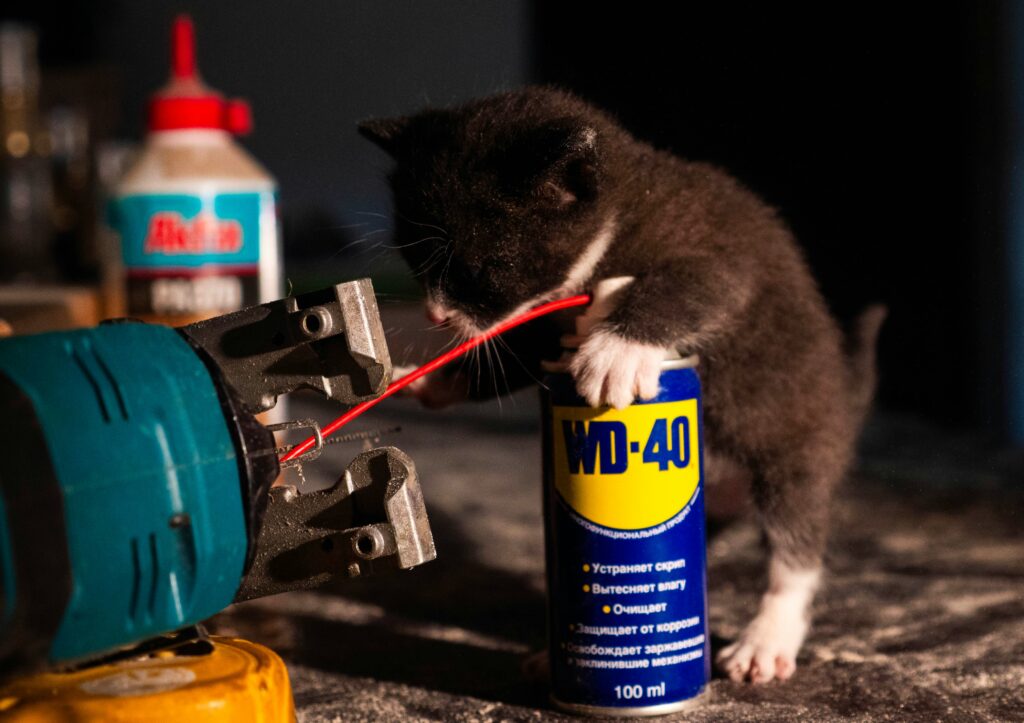
And that’s where some home stain solutions can become needlessly dangerous to home. Using petroleum-based solvents for old oil, petroleum-based, sometimes found online for oil stains isn’t ideal for clothes – using industrial automotive fluids for your wardrobe has inherent dangers and can make irreparable harm the fabric. While gasoline may be mentioned in some online laundry tips for oil stains on clothes it’s hardly a safe go-to option, particularly given the flammable hazard and fumes.
Wd-40, petroleum based, too, isn’t an official substitute for your best stain fighting strategies; it might be offered as a treatment option in certain circles on some commercial forums for set in oil, but can’t be expected for every fabric type or household situation.
Tide itself explains that motor oil can present challenges, because, when oil is used in a machine…it is contaminated and the same treatment protocol that is offered with Tide will not work on a motor oil stain; the use of a controlled pre treatment solution and laundering is used on this oil type. And as always, when using the most expensive apparel, it’s time to step up to the professional cleaners rather than simply try a more aggressive petroleum product.
What About Vinegar?
Many people often suggest the use of white vinegar as a universal stain remover from clothing, though an oily stain that has been created by a petroleum product cannot properly be defined as a normal stain for which vinegar would be the main treatment. A more appropriate initial step would be to use a product for oily soil such as a liquid laundry detergent or an appropriate laundry presoak followed by washing according to fabric’s care instructions. Try to avoid the indiscriminate mixing of various household cleaning products and certainly avoid mixing bleach and ammonia as the resultant fumes are unsafe. The American Cleaning Institute specifically advises against this combination.
How Fabric Type Changes the Cleaning Strategy
The same motor oil stain can behave differently on different materials.
Cotton: Durable cotton workwear is often relatively straightforward to pretreat and wash, provided the care label permits the selected temperature.
Polyester: Polyester can hold onto oily soils, making thorough pretreatment especially important. The American Cleaning Institute notes that prewash stain removers work particularly well on oil-based stains on polyester fabrics.
Denim: Jeans are generally durable enough for conventional pretreatment and laundering, but their dye can fade with aggressive treatment or excessive washing.
Wool and silk: These require much greater caution. Strong detergents, aggressive brushing, high temperatures, or household solvents may damage delicate fibers. Follow the care label and consider professional cleaning.
Water-resistant or coated fabrics: Jackets and technical clothing may have finishes that can be affected by detergents or solvents. Follow the manufacturer’s care instructions rather than applying a generic stain-removal recipe.
Common Mistakes That Make Motor Oil Stains Worse
One of the biggest mistakes is drying the garment too soon. If oil remains after washing, dryer heat can make the stain harder to remove.
Another mistake is scrubbing aggressively. Vigorous rubbing may spread the oil and can roughen the surface of the fabric.
A third mistake is using too much detergent. More detergent does not automatically equal better cleaning. Follow the product’s dosage instructions.
It is also a mistake to assume that hotter is always better. Heat can help oily stains on fabrics that safely tolerate it, but the care label determines the appropriate temperature.
Finally, avoid treating every fabric with the same homemade solvent mixture. A technique that works on sturdy cotton can be inappropriate for delicate or chemically finished material.
When Should You Stop Treating the Garment at Home?
Home treatment makes the most sense when the garment is washable, the stain is relatively localized, and the care label permits normal laundering.
Consider professional cleaning when:
- The garment is labeled dry clean only.
- The fabric is delicate or expensive.
- The garment has a specialty coating or finish.
- The stain covers a large area.
- Several reasonable treatment cycles have failed.
- You are considering using a strong solvent simply because ordinary detergent has not worked.
Professional cleaners can assess the fabric and select a treatment method that is less likely to damage it.
A Practical Strategy for Fresh Versus Old Motor Oil
The condition of the stain should influence your approach.
| Stain condition | Practical approach |
| Fresh, small spot | Blot excess oil, pretreat, wash, inspect |
| Fresh, heavy spot | Remove excess oil first, then use a suitable stain treatment and wash |
| Stain already washed once | Pretreat again and inspect before drying |
| Dried or set-in stain | Use repeated controlled treatment; consider professional cleaning |
| Delicate or dry-clean-only fabric | Follow the care label and seek professional treatment |
The central principle is simple: remove as much oil as possible before laundering, use a cleaning agent suited to oily soil, and never use dryer heat until the stain is gone.
Final Analysis
Knowing how to get motor oil out of clothes is less about finding a single miracle household ingredient and more about using the correct sequence. Motor oil is an oil-based contaminant, so simply rinsing it with water is unlikely to be enough. Pretreatment is the critical stage because it gives a detergent or stain remover an opportunity to loosen the oily residue before the washing machine handles the garment.
For most washable garments, begin modestly. Identify by label, blot oil away; apply liquid laundry detergent or an automotive prewash stain remover; let rest according to product, and machine wash with hottest water appropriate for the fabric. Inspect and repeat if needed.
First and foremost, do not put the garment in the dryer before you’re sure the stain is out.
A spot is a cue to re-treat-not a cue to apply more heat. If done in sequence with realistic outcomes, much motor oil residue from washable garments may be reduced or eradicated without aggressive automobile solvents.
FAQs
1.Can I remove motor oil from clothes after they have been washed?
Yes. A previously washed stain can often be treated again. Apply a suitable liquid laundry detergent or prewash stain remover, allow it to work according to its directions, and wash again. Avoid the dryer until the stain has disappeared.
2.Does hot water remove motor oil better than cold water?
For fabrics that safely tolerate it, warmer water can be useful for oily stains. However, the hottest setting your machine offers is not automatically appropriate. Follow the garment’s care label and use the hottest temperature the fabric permits.
3.Can dish soap remove motor oil from a shirt?
A small amount of dish soap can be useful as a spot pretreatment for some washable garments. However, it should not be poured into an automatic washing machine as a substitute for laundry detergent.
4.Will baking soda get motor oil out of jeans?
Baking soda may help absorb some surface oil, but it is not a dependable standalone treatment for deeply absorbed motor oil. For jeans, a suitable liquid detergent or stain remover followed by normal laundering is generally a more appropriate approach.
5.Should I use bleach on motor oil stains?
Bleach is not the first treatment to reach for with motor oil. Start with an appropriate oil-stain pretreatment and laundry detergent. If another product is considered later, check the garment’s care label and product instructions carefully.
6.Can I put an oil-stained shirt in the dryer?
It is better not to. If you can still see the oil stain after washing, repeat the treatment before using the dryer because heat can make the remaining stain more difficult to remove.
7.What should I do if motor oil will not come out?
Stop escalating to increasingly harsh household chemicals. Repeat a suitable pretreatment and laundering process if the garment permits it. If the stain remains, particularly on an expensive, delicate, coated, or dry-clean-only garment, take it to a professional cleaner.
Conclusion
Knowing how to get motor oil out of clothes can save a stained shirt, pair of jeans, or work uniform from being permanently ruined. The trick is to act fast, blot away the surface oil without rubbing it in further, pretreat with an effective degreasing detergent, and then wash the garment in the hottest water recommended on its care label. Above all else, be sure to check the garment before machine-drying. This is because heat from the dryer will set oil stains deeply into the fabric.
If a stain persists, repeat the above steps instead of taking a chance with the dryer.
For dry-clean only, sheer or finely structured items, or stains that are extensively set into the fabric, professional dry cleaning is often the wisest choice. With the appropriate care, however, many a motor oil stain is perfectly recoverable without having to discard a cherished article of clothing.