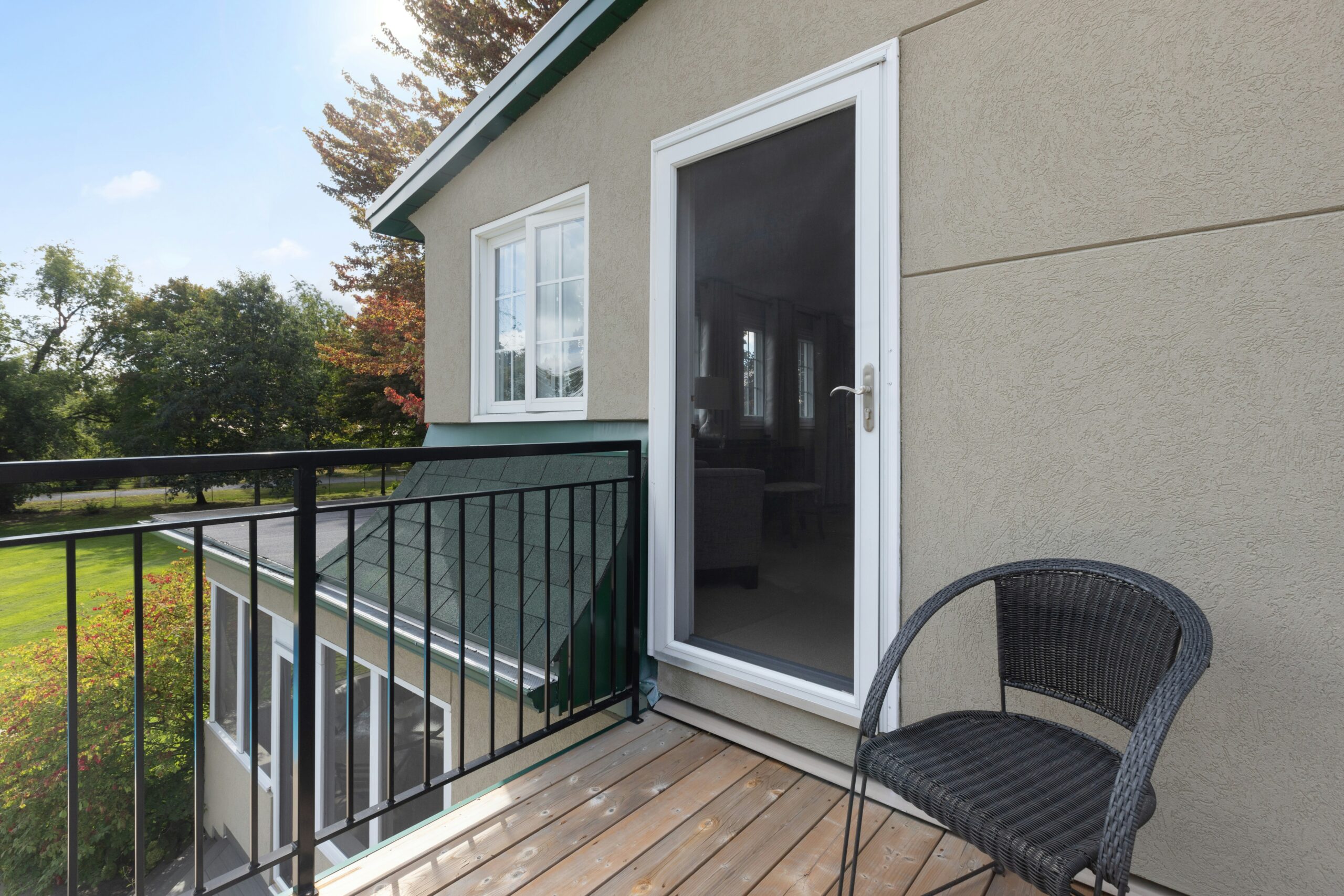
Retractable screen doors. If there’s one home upgrade that sounds easy at first glance, and offers so much bang for the buck in terms of making your home feel and function better, it’s probably a retractable screen door. These simple screen doors let in the fresh air while controlling the pests, pollen, dust and even animal droppings from entering your house, yet they also roll neatly into a housing when they are not in use, so your doorway remains looking pristine, and they are not constantly subject to the elements.
Homeowners who like to crack open the door on a balmy spring morning or cool autumn evening should strongly consider a retractable screen door, which offers the perfect compromise of airflow, ease of use and a refined aesthetic.
In this article we will discuss exactly what a retractable screen door is, how they operate, what kinds of retractable screen doors there are, what installation needs to be considered, what type of maintenance you can expect, some of the common pitfalls associated with owning and installing them, and what kind of screen door you should consider purchasing for your home.
What Is a Retractable Screen Door?
What Is a Retractable Screen Door? Retractable screen doors are screening systems that store themselves out of the way in a housing unit when they aren’t being used, much like how a window shade retracts into a housing unit or how a pocket door slides into the wall. These typically use spring-loaded roller and track system that pulls the screening across the opening and retracts when the door is operated or closed. Magnetic closure and handle latch closure systems are both available.
Why Homeowners Choose a Retractable Screen Door
Many people assume a screen door is only about keeping bugs out, but a retractable design offers several additional benefits.
Improved Ventilation
Opening doors creates natural airflow that can make indoor spaces feel fresher and more comfortable while improving cross ventilation in homes. A retractable screen door allows you to enjoy cross-ventilation without inviting mosquitoes, flies, or other insects indoors.
Better Curb Appeal
Traditional screen doors remain visible at all times. By contrast, a retractable screen door disappears into its housing when not in use, preserving the look of wood entry doors, decorative glass, or custom front doors.
Flexible Use
Because the screen retracts when not needed, homeowners can choose when they want ventilation and when they prefer an unobstructed entry.
Reduced Exposure to Weather
Since the screen remains protected in a casing when retracted, it may experience less wear from wind, rain, and direct sunlight compared with permanently exposed screens.
Types of Retractable Screen Doors
Not all retractable screen door systems are the same. Understanding the available options makes it easier to choose the right model.
Single-Door Retractable Screens
These are designed for standard front or back doors. The screen extends from one side of the frame and latches on the opposite side.
Best for:
- Front entry doors
- Side doors
- Garage-to-house doors
Double Retractable Screens
Double-screen systems are ideal for French doors or wide openings. Two screens meet in the middle, allowing both doors to remain open while maintaining a full screen barrier.
Best for:
- French doors
- Wide patios
- Large deck entrances
Sliding Screen Systems
Some retractable solutions are designed specifically for sliding glass doors. These systems move along tracks and provide an easy way to access patios and outdoor living spaces.
Best for:
- Sliding patio doors
- Sunrooms
- Backyard entrances
Motorized Retractable Screens
High-end systems may use electric motors and remote controls to open and close the screen automatically.
Best for:
- Luxury homes
- Large openings
- Covered patios and outdoor kitchens
Retractable Screen Door vs. Traditional Screen Door
Choosing between a retractable screen door and a traditional hinged screen door depends on your priorities.
| Feature | Retractable Screen Door | Traditional Screen Door |
| Visibility | Hidden when not in use | Always visible |
| Appearance | Modern and discreet | More noticeable |
| Space Requirements | Minimal | Requires swing space |
| Maintenance | Track cleaning and occasional adjustments | Hinge and screen maintenance |
| Cost | Higher upfront cost | Lower upfront cost |
| Durability | Protected when retracted | Continuously exposed |
A retractable screen door is often the better choice for homeowners who prioritize aesthetics and flexibility, while a traditional screen door may suit those on a tighter budget.
How a Retractable Screen Door Works
Most retractable screen door systems rely on three main components:
- A spring-loaded housing that stores the mesh screen.
- Top and bottom tracks that guide the screen.
- A handle or pull bar that allows users to extend and retract the screen.
When the screen is not needed, it rolls back into the housing, helping protect the mesh from damage and keeping the doorway visually clean.
How to Choose the Right Retractable Screen Door
Measure Carefully
Before buying a retractable screen door, measure the width and height of the opening. Many products fit standard doors, but custom sizes may be required for larger openings.
Choose the Right Mesh
Different mesh materials are available:
- Standard fiberglass mesh for everyday use
- Pet-resistant mesh for homes with dogs or cats
- Solar mesh to reduce glare and sunlight
- Fine mesh to help block smaller insects
Consider Your Climate
If you live in a windy area, choose a system with strong tracks and durable framing. Homes in sunny climates may benefit from UV-resistant mesh materials.
Think About Who Uses the Door
A busy household with children and pets may benefit from stronger mesh and a smoother, more forgiving retraction mechanism.
How to Install a Retractable Screen Door
Many homeowners can install a retractable screen door themselves, though professional installation is an option for complex openings and other DIY home improvement projects.
Tools Typically Needed
- Tape measure
- Drill and screwdriver bit
- Level
- Pencil for marking
- Safety glasses
Basic Installation Process
- Measure the doorway and verify product compatibility.
- Assemble the housing and tracks according to the manufacturer’s instructions.
- Mount the housing to the door frame.
- Attach the top and bottom tracks.
- Install the latch or magnetic closure.
- Test the screen and adjust tension if necessary.
For an experienced DIYer, a standard installation typically takes about 30 to 60 minutes homeowner, though custom or oversized installations may take longer.
verpaying with Real 2026 PricingHow Much Does a Retractable Screen Door Cost? Avoid O
The cost of a retractable screen door depends on size, materials, and features.
Typical price ranges include:
- Basic DIY models: $50–$150
- Mid-range aluminum systems: $150–$400
- Premium or custom systems: $400–$1,000+
- Professional installation: $100–$300 or more depending on complexity
Although a retractable screen door usually costs more than a traditional screen door, many homeowners find the convenience and appearance worth the investment.
Common Problems and How to Fix Them
Screen Does Not Retract Smoothly
Dirt in the tracks is often the cause. Clean the tracks and apply a manufacturer-approved lubricant if recommended.
Mesh Is Torn
Small tears may be repaired with patch kits, while larger damage may require mesh replacement.
Screen Feels Loose
Check the tension settings and review the manufacturer’s instructions for adjustment procedures.
Door Does Not Latch Properly
Inspect the alignment of the tracks and latch mechanism. Minor adjustments often solve the issue.
Retractable Screen Door Maintenance Tips
A retractable screen door does not require extensive maintenance, but regular care extends its lifespan.
- Vacuum tracks to remove dust and debris.
- Wipe the mesh with mild soap and water.
- Avoid forcing the screen to retract quickly.
- Retract the screen during severe weather when possible.
- Inspect the tracks and hardware seasonally.
Simple maintenance can keep the door operating smoothly for many years.
Common Mistakes to Avoid
Many homeowners encounter problems because of avoidable mistakes:
- Buying a screen without measuring the opening correctly
- Choosing standard mesh in homes with active pets
- Ignoring track cleaning
- Allowing the screen to snap back forcefully
- Installing a screen that is not rated for local weather conditions
Avoiding these issues can improve performance and reduce long-term maintenance.
Is a Retractable Screen Door Worth It?
For many households, the answer is yes.
A retractable screen door offers fresh air, insect protection, and a cleaner visual appearance than many traditional alternatives. It is especially useful for homes with attractive entry doors that owners do not want to cover permanently.
While the initial cost may be higher than a standard screen door, the convenience, flexibility, and aesthetic benefits often justify the investment.
Conclusion
A retractable screen door is a smart addition for homeowners who want to enjoy natural ventilation without sacrificing comfort or curb appeal. By rolling neatly into a protective housing when not in use, it provides a clean look while helping keep insects and debris outside.
The best retractable screen door for your home depends on your door type, budget, climate, and lifestyle needs. By selecting the right mesh, measuring carefully, and maintaining the system properly, you can enjoy fresh air and a seamless indoor-outdoor experience for years to come.
Frequently Asked Questions
1. Are retractable screen doors durable?
Yes. High-quality systems with aluminum frames and durable mesh can last for years with proper maintenance.
2. Can I install a retractable screen door myself?
Many standard models are designed for DIY installation, although custom openings may benefit from professional installation.
3. Do retractable screen doors work with French doors?
Yes. Double retractable screen systems are specifically designed for French doors and wide openings.
4. What is the best mesh for homes with pets?
Pet-resistant mesh is thicker and more durable than standard mesh and is often the best choice for homes with dogs or cats.
5. Do retractable screen doors keep bugs out?
Yes. When installed and maintained properly, they create a barrier that allows airflow while helping block insects from entering the home.
6. Can retractable screen doors be used on sliding glass doors?
Yes. Many manufacturers offer models designed specifically for sliding patio doors.