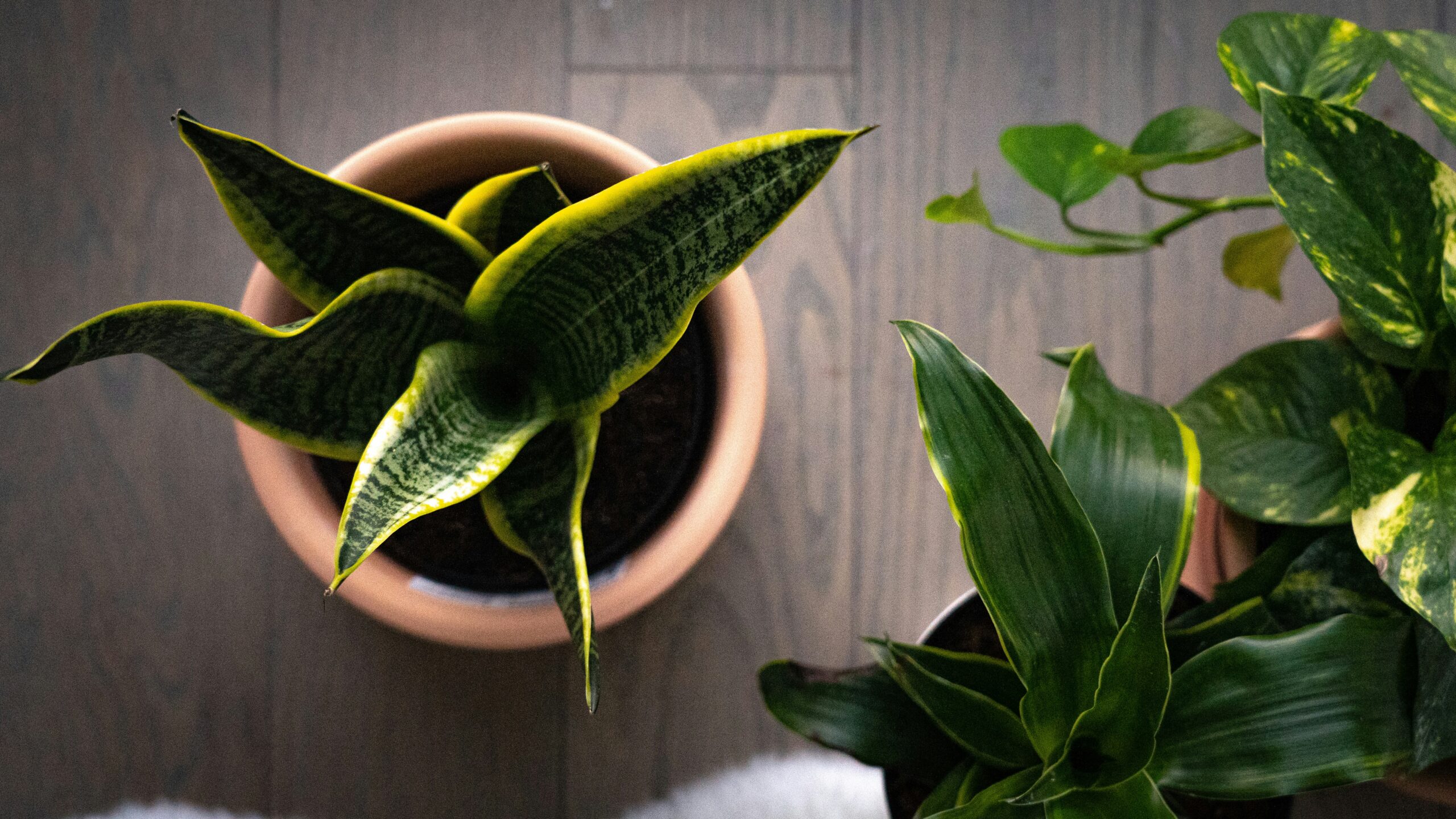
Houseplants have become an important part of modern homes, bringing a touch of nature into indoor spaces where people spend much of their day. Among the many options available, few are as widely recommended as the snake plant. Known for its upright leaves, attractive patterns, and remarkable resilience, it has earned a reputation as one of the easiest plants to grow indoors. When people search for snake plant benefits explained, they are often curious whether this popular houseplant offers more than visual appeal.
Do Snake Plants have any benefit?
5 BestSnakePlants The answer is yes-just be sure you have reasonable expectations. While plants are widely believed to do so much more on the internet than they actually do, snake plants have legitimate benefits.
After all, with its can-do attitude and ability to take on adverse conditions, this popular plant has quickly gained favor with apartment owners, homeowners and office workers.
Whether this will be your first house plant or if you just want toaddtoyourcollection, a glance at Snake PlantsBenefitsmay help determine whetherthis hearty varietyis rightforyou.
What Is a Snake Plant?
Snake plants (Dracaena trifasciata, formerly Sansevieria trifasciata) are perennially evergreen native plants of tropical West Africa. Their long, upright, sword-shaped leaves that emerge from the base make them one of the most eye-catching plant forms possible that fits most décor schemes. As you can imagine over the years many have become incredibly popular, thanks to combining their good looks with their practicality.
Whereas many house plants we have are tropical and have to be meticulously looked after, many of the snake plants are rather forgiving; their owners don’t need to have particularly strict watering habits or light preferences, as they’ll keep producing leaves as long as you haven’t abandoned them for months.
They are a perfect fit for both novice house plant owners, professional careers people, students and everyone else who loves the idea of having green plants in their houses.
Snake Plant Benefits Explained Through Their Growing Popularity
One of the biggest snake plant benefits is simply how adaptable the plant is. As more people live in apartments or work from home, interest in indoor plants has increased significantly. However, not everyone has ideal growing conditions or the time to care for delicate species.
Here’s wheresnake plantscome in handy! While they thrive in light but indirect light, snake plants are more forgiving in low light conditions than many of their houseplant companions. Watering is only necessary when the soil is fully dry, so missing a weekly watering schedule rarely causes any problems.
Snake plants’ upward growing habit is another big plus for many small living situations.
Unlike plants that spread horizontally, the leaves grow upwards, meaning you can place snake plants in the corner of a desk, on shelves, in the office, or narrow hallway without them occupying valuable real estate. Snake plantbenefits are often associated with their longevity. When you care for a snake plant properly, the plant can live for decades, and mature specimens will sprout additional pups that you can easily separate and plant.
The Main Reasons People Search for Snake Plant Benefits
Rarely is it a case of “buying a snake plant only one time for only one reason!” The reality is, people tend to be interested in this resilient houseplant for any one, or more of these combination, of reasons: Improving Air Quality Some may be trying to gain some benefits from better air quality indoors. Decorative and Functional Others like the thought of a pretty bit of foliage, but want as few tasks as possible. Anyone with a hectic schedule that doesn’t leave a lot of room for plant care may see the snake plant as a worthwhile addition.
Some of the most recognized snake plant benefits include:
- Exceptional tolerance for neglect compared to many houseplants
- Attractive foliage that suits both modern and traditional interiors
- Ability to grow in a range of lighting conditions
- Slow growth that reduces maintenance
- Long lifespan with proper care
- Easy propagation through division or leaf cuttings
- Potential contribution to indoor air quality as part of a healthy home environment
These qualities explain why snake plants consistently appear on lists of the best indoor plants for beginners.
Separating Facts From Popular Myths
In light of how popular snake plants have become, so too have exaggerated claims been circulating about what they’re truly capable of doing. You might’ve encountered article headlines touting that a single snake plant can massively transform the air quality in your home, abolish the toxic compounds in your living space, and improve your internal wellness practically overnight.
- These claims deserve a closer look.
While snake plants are proven to remove specific compounds from the air under strict laboratory settings, the impact in your actual home is significantly less substantial than many articles make it out to be. Don’t rely on a lone plant to compensate for poor ventilation, inconsistent cleaning, or a stand-alone air purifier when it is necessary.
Understanding this distinction is important because it allows readers to appreciate the genuine snake plant benefits without expecting unrealistic results. The true value of the plant comes from the combination of its beauty, durability, and ease of care rather than any single extraordinary claim.
Why Learning About Snake Plant Benefits Matters
Houseplant selection is about more than aesthetics, however. Picking the ideal houseplant involves picking a plant that suit your space and lifestyle – plus the level of care you’re prepared to give. As a result, houseplant shoppers will likely be excited to learn snake plants are an uncommon blend of both stylish and functional; they can enhance a city apartment, decorate an office, or bring earthy textures to your living room – and take little effort from you to do so. Snake plants and the science Behind them will cover how the plants function indoors, how you can care for yours, and the practical (and unrealistic) benefits of this hardy houseplant.
How Snake Plant Benefits Extend Beyond Decoration
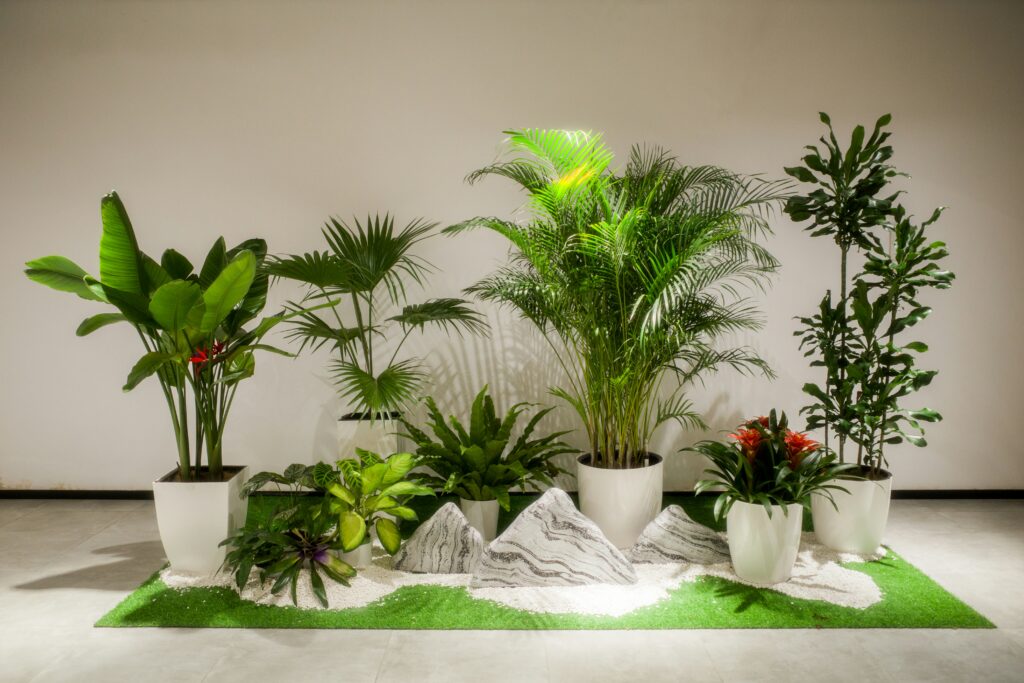
Many people initially buy a snake plant because it complements almost any interior style. Although admired for its elegant look, this plant offers much more than visual beauty.
One of the most valuable snake plant benefits is its ability to thrive with minimal care while contributing to a more pleasant indoor environment. No matter if this sturdy plant is added to the living room, the home office, or the bedroom, its convenience benefits many experienced and new gardeners. Because this tough plant doesn’t have issues if watering cycles become too infrequent or the attention the plant gets isn’t every single day.
Can Snake Plants Improve Indoor Air Quality?
One of the most discussed snake plant benefits is its potential role in improving indoor air quality. The idea became popular after research demonstrated that certain houseplants could remove small amounts of airborne chemicals under laboratory conditions. Snake plants were among the species studied because they showed the ability to absorb compounds such as benzene, formaldehyde, xylene, and toluene in controlled environments.
It is essential to note that the conducted research does not claim snake plants detoxify air effectively; it only proves they have some impact on its quality. A single snake plant cannot be considered a replacement for air filtration and ventilation devices, nor personal hygiene in general, as the results would be close to zero in a natural habitat, such as a house or an apartment.
Nevertheless, it is still possible to improve the quality of the air at home with the addition of specific plants as they can help create a habitat with a fresh, pleasant smell.
What Air Pollutants Can a Snake Plant Absorb?
Research suggests snake plants may help reduce trace amounts of certain volatile organic compounds (VOCs), including:
- Formaldehyde, which may be released from furniture and household materials
- Benzene, sometimes associated with paints and cleaning products
- Xylene, found in some solvents
- Toluene, present in certain adhesives and coatings
These compounds are often found at low levels in many indoor spaces. Although a single snake plant can’t completely remove these chemicals, it may be one part of a larger strategy to improve indoor air quality. Other steps, such as ventilation and reducing indoor pollution sources, are important too.
A Unique Nighttime Oxygen Cycle
Another fascinating aspect of snake plant benefits involves the way the plant performs photosynthesis.
Most plants primarily exchange gases during daylight hours. Snake plants, however, use a specialized process called Crassulacean Acid Metabolism (CAM). This adaptation allows them to open their stomata mainly at night, reducing water loss while continuing to take in carbon dioxide.
And in many bedrooms throughout the world, snake plants can be found precisely because of this metabolic phenomenon. In online articles, their effect on bedroom oxygen levels often is oversold. Although the process does output oxygen into the room, the amount that you receive from a single houseplant isn’t that large. Still, snake plants still remain a great and relatively no-maintenance choice for bedrooms.
Snake Plant Benefits for Busy Lifestyles
Not everyone has time to care for demanding houseplants. One reason snake plants remain so popular is that they fit into modern lifestyles remarkably well.
If you travel frequently, work long hours, or simply forget to water plants regularly, a snake plant is far more forgiving than many tropical species.
Some practical snake plant benefits include:
- Tolerates occasional neglect
- Requires infrequent watering
- Grows slowly, reducing maintenance
- Performs well in average indoor temperatures
- Handles a variety of lighting conditions
This combination of durability and simplicity makes it one of the easiest houseplants to own.
A Smart Choice for Offices and Workspaces
The leaves of the snake plant tend to grow upwards, making the plant a sleek and modern addition to the space without taking up much floor space, and it can often be spotted in office waiting areas, professional offices and even libraries. In addition to improving air quality, adding plants to your office could help improve the feel of the space too. While there is not a plant that can magically make your employees more productive, many do report that having natural elements to look at during the workday helps provide a calmer atmosphere. This plant needs minimal care, and remains attractive in office spaces where consistent attention may not be possible.
Can Snake Plants Support Mental Well-Being?
Although scientific evidence varies regarding the psychological effects of houseplants, many studies suggest that interacting with indoor greenery can contribute to feelings of relaxation and comfort.
One of the overlooked snake plant benefits is how effortlessly it introduces nature into indoor environments.
One often- cited effect of tending to plants is the establishment of gentle, sometimes meditative, routines like watering, wiping leaves, and inspecting for new growth. These micro-practices can provide opportunities for brief mental pauses amidst demanding schedules. Furthermore, the visual comfort and health of live plants may serve to soften the appearance of interior spaces, preventing rooms from seeming cold or sterile in apartments or urban settings that lack substantial green space.
Practical Ways to Use Snake Plants Around Your Home
Snake plants are remarkably versatile. Their architectural shape works with many decorating styles, from minimalist interiors to traditional homes, making them a perfect addition to home and garden ideas for modern living spaces.
Consider placing them in:
- Entryways to create an inviting first impression
- Living rooms as statement plants
- Bedrooms for low-maintenance greenery
- Bathrooms with indirect light
- Home offices to brighten work areas
- Hallways where larger plants may not fit
Because the leaves grow vertically, snake plants can add height without requiring a wide footprint, making them ideal for smaller spaces.
Caring for Your Snake Plant to Maximize Its Benefits
To enjoy the full range of snake plant benefits, proper care is still important, even if the plant is highly resilient, especially when you understand the best indoor plant care tips for long-term healthy growth.
Water only when the soil has dried completely, as overwatering is the most common cause of root rot, and learning how often to water indoor plants can help prevent common care mistakes. Choose a pot with drainage holes and use a well-draining potting mix designed for succulents or cacti. Place the plant in bright, indirect light whenever possible, although it can tolerate lower light conditions.
Dusting the leaves occasionally also helps keep the plant looking attractive and allows more light to reach its surface. With these simple care habits, a snake plant can remain healthy and continue enhancing your indoor space for many years.
Conclusion
The many snake plant benefits go well beyond adding greenery to your home. This resilient houseplant is prized for its striking appearance, adaptability, and low-maintenance nature, making it an excellent choice for both beginners and experienced plant enthusiasts. While it has been studied for its potential to absorb certain indoor pollutants under controlled conditions, it’s important to view it as one part of a healthy indoor environment rather than a substitute for proper ventilation or air purification.
Whether you want to make your apartment seem more comfortable, transform your home office into a botanical paradise or simply need a plant that will give you years of joy and green life, a snake plant is an excellent choice. This wonderful specimen will bring beauty and comfort to your home for ages. If you are looking for a houseplant that is easy to grow and rewarding, read on to learn about the many snake plant benefits!
Frequently Asked Questions
1. What are the biggest snake plant benefits?
The main snake plant benefits include its fantastic ability to thrive despite the low level of care, tolerate various types of lighting, beautiful appearance, incredible lifespan, and improve the quality of air in your home after proper ventilation. Another advantage of snake plants is that they are perfect for a beginner’s garden.
Should You Keep a Snake Plant in Your Bedroom?
Yes, it is! Many indoor plant lovers choose to grow snake plants in their bedrooms. Snake plants utilize the unique type of photosynthesis called CAM, which allows them to open their stomata at night. Thus, snake plants enrich the room with oxygen during the night; however, the effect is not significant, so you will not receive an extra dose of fresh air.
3. How often should I water a snake plant?
Snake plants require occasional watering. It is vital to wait until the soil is totally dry after watering before you water again. Usually, watering once every two to four weeks is enough. The frequency depends on a room’s temperature and humidity, a pot’s size, and how much sunlight the plant receives. Do not overwater your snake plant since it will lead to root rot.
4. Can snake plants grow in low-light conditions?
Yes, they can. Many people wonder whether snake plants can grow in low light. Fortunately, one of the many snake plant benefits is tolerance to various types of lighting, including insufficient sunlight. Snake plants will be happy to stay in a place with bright indirect light. However, it is better to provide them with more light because snake plants grow vigorously when given enough sunlight. Still, lack of light will not harm them severely.
5. Are snake plants pet-friendly?
Unfortunately, no. Snake plants are toxic to cats and dogs because they contain saponins, which can cause vomiting sickness, and other irritants. If your pet frequently chews on or plays with your snake plant, it’s best to move the plant to a safe location or replace it with a non-toxic, pet-friendly alternative.
6. How long do snake plants live?
They can live for a very long time with proper care. Your snake plant has the potential to become a member of your family. Moreover, snake plants can propagate themselves since they regularly produce offsets that are capable of growing into new plants.
7. Why does my snake plant turn yellow?
Yellow leaves indicate that the plant is struggling. Snake plants rarely turn yellow on their own. Usually, this happens because of improper watering practices, root rot that occurs because of growing the plant in wet soil, or poor acclimatization. If the roots are not able to absorb enough water, the leaves begin to look wilted and yellow. Make sure that you do not water the plant too often and that the pot has a drainage hole.