Wondering how to fix Squeaky brakes are common! but they should never be ignored. The noise can come from harmless dust or moisture, or it can signal worn brake pads, glazed rotors, dry hardware, or a part that needs replacement.
Why brake squeal happens
Brake squeak normally indicates a change of friction in your braking components. If the pads build up dust or rust, your pads can begin to get hot glazed or dry caliper hardware can cause the high-pitched squealing when the pads come into contact with the rotor. Sometimes, your brake pads have worn down close to their wear indicators, which means the vehicle’s “say-nothing” communication says it’s time to change your brake pads. You need to realize not all squealing signifies danger, however; the routine you notice indicates it. It’s common for a “first application” squawk to differ considerably from a constant squealing every single time your press down on the brake pedal.
First check the easy causes
When tackling any kind of brake noise, it’s important to rule out the simplest causes. Surface deposits from dust, moisture (even from a rainy night), and a cold set of rotors are often to blame for a squeaking that is often just for a few stops before things wear away. You can also make sure that no external items are in the way; a bent dust shield, for instance, or a debris blockage around therotor and pads can cause noise as can a bad-quality pad. If the squeak appeared immediately after any work was performed to the brakes then the problem likely lies in hardware, pads, or lubrication.
How to fix squeaky brakes step by step
Begin with an examination of your brakes. Inspect your wheel’s spokes visually. Observe brake pad condition, and rotor integrity, and check the wheel for signs of excess rust and deep scoring.
If the brake pads are severely worn, it typically doesn’t make sense to try to muffle the noise and get more miles from the pads instead of replacing them.
Second, thoroughly and correctly clean the rotor surfaces. Using a proper Brake Cleaner helps remove dust, grease, and contaminants that can contribute to brake noise.
Brake cleaners eliminate oil, grime and dust from rotors, caliper hardware and the surrounding components. Brake dust, which may be the culprit for vibrations, and noisy braking, becomes hard and abrasive over time, damaging pad material, contributing to noise and vibrations and making for uneven braking.
Even if the pads and hardware are good to go, you might still need to pay attention to your slide pins and contact areas. If the caliper slide pins have been in the wheel for some time and they have dried out or corroded, the caliper will not be able to move freely, thus resulting in noise and uneven wear on the pads and rotors. By cleaning the pins, and getting the rust off, then lubricating all of the necessary contact points with high temp brake grease, you can greatly reduce the squeal.
When lubrication helps
Only lube the areas that are supposed to have lube applied! Apply lube to the caliper slide pins, the area where the pad backing is installed on the caliper, the areas where the pads contact the hardware, and any other metal to metal friction surfaces. Do not lube the braking surface of the pads or the face of the rotor! Any lube that you put on the braking surface will greatly diminish your stopping power and cause a dangerous condition.
One reason many brakes squeal after a bad DIY brake job. If the hardware was put back together dry and not with lube or the clips were reused where they should have been replaced, even though the pads are brand new they still squeal. Just changing the pads and assembling the hardware properly, without a lot of fiddling with shims and various shims, has a far more dependable tendency to cure brake noise than continued fiddling.
Glazing, pad wear, and rotor condition
If the brake pads or rotors are glazed, the surface may have become too smooth or hard to provide a clean bite. Minor resurfacing or sanding might help but only if the component has sufficient material and is otherwise sound. Damaged or worn out pads need to be replaced, not refurbished.
Rotors should not be in the slightest uneven or grooved, severely corroded, or otherwise marred; if so, the rotors must be turned or machined or replaced if below service minimum.
The shop will be able to see if they are worth turning by determining if there’s enough material remaining for them to do so safely.
Brake pad type matters
By-products of Certain Brake Pad Materials Certain compounds that create better braking also tend to generate a greater amount of noise than other pads. Semi-metallic brakes, for instance, generally produce some audible friction noises, especially in comparison to low-dust and other softer compounds. However, that in and of itself is not a sign that the brakes are going bad – as long as they’re performing appropriately you’ll need to analyze noises based on the overall system.
If you have recently installed a new set of brake pads, then the noise is most likely attributed to the pad material rather than a component issue.
That said, the new pads will likely need to be properly Brake Pad Bedding Procedure to quiet down, in addition to new hardware and proper assembly. In cases of high noise accompanied by unstable braking, more intensive evaluation is required.
What a proper brake inspection should include
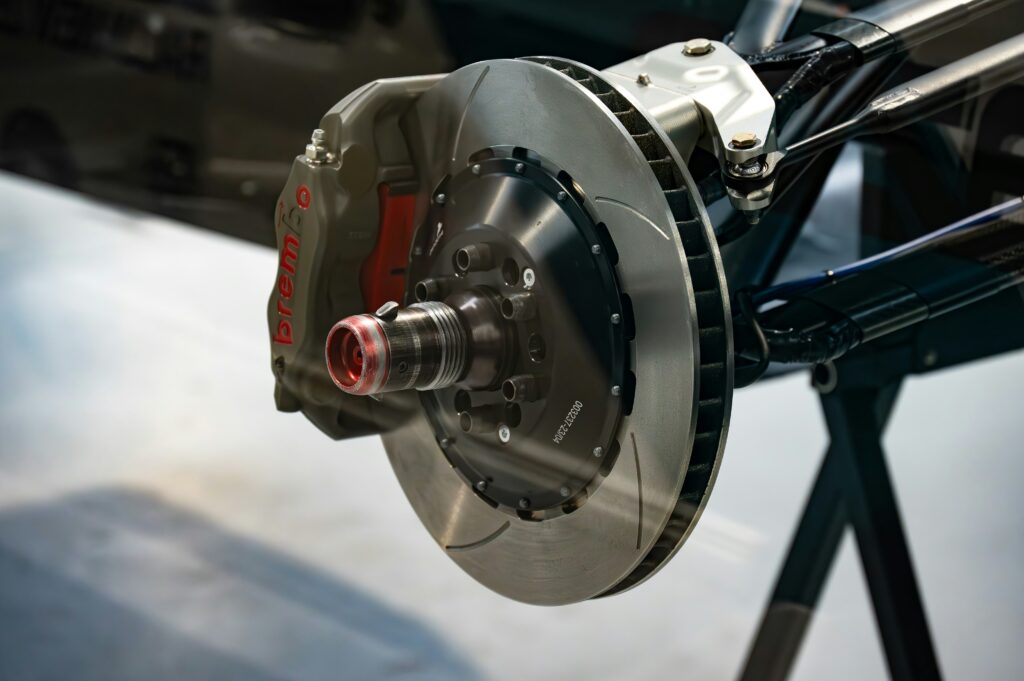
Here’s what a thorough brake inspection checks, from parts to fluid: “When we do an inspection, we look at pads, rotors, calipers, slide pins and clips as well as the condition of the brake fluid. They also need to be checked as brake system is all about what happens as a whole and not just the brake pads themselves,” she says. “Checking on them regularly can find noises and problems before they are a huge fix,” she add.
The Society of Automotive Engineers recommends inspecting the brakes at least annually or between 10,000 and 12,000 miles, though this varies according to driving habits and manufacturer specifications. Regular maintenance, including a Vehicle Inspection Checklist, helps identify brake issues before they become serious.
That timeframe “works because brake noise might start to occur gradually long before the braking power noticeably decreases,” she notes, and more frequent check-ups may be needed for drivers who tow trailers, regularly deal with traffic congestion, or who frequently drive up and down hills.
When squeaky brakes mean stop driving
While some brake noises are relatively harmless, there are a few you shouldn’t ignore. If you’re hearing a grinding sound rather than a squeal, if the brake pedal is vibrating, if the car is pulling to the side when you brake, or if you see a brake light illuminated on your dashboard, there could be something more serious to blame than just a bit of noise, such as worn pads or rotors, or a hydraulic failure, all of which warrant quick attention.
It’s important to distinguish those things from an unexpected or abruptly louder squeal following a brake service or replacement, as this can indicate that a brake clip, piece of hardware, or another brake component wasn’t properly replaced or installed, is missing or dry. You can certainly drive your vehicle while some brake noises are happening without worry, but this is definitely not the same thing as overlooking the sound of your car’s dry rotors after a wet morning commute.
Common mistakes to avoid
Some people get the bright idea to spray lubricant on every available part and hope for the best. Brakes require delicate adjustments and placing the lubricant in the wrong location may cause more problems than it solves. Another mistake made is the substitution of new pads without inspecting the rotors and hardware. The actual reason for the squeak will still be there.
It’s also possible that drivers may think the brake squeal is something they just need to live with as long as the vehicle still stops.
This can actually lead to danger if there’s actual metal-on-metal contact, worn out brake pads or heat damaged brake hardware. If the squeak persists after a couple drives, or worsens, it’s usually worth taking action instead of hoping it goes away on its own.
Best long-term fixes
But the best solution is always to get to the bottom of the squeal and fix it instead of just muffling it. In most cases this involve cleaning components, replacing worn clips or brake pads, properly lubricating the necessary contact surfaces and inspecting rotor conditions. Properly reassembled brake and keeping the vehicle under preventive maintenance also means much less likelihood of future squeals.
As you can see from above-mentioned benefits, consistent preventative maintenance also assist to prolong lifespan of parts and lessen excessive wearing of the components, particularly of individuals driving vehicle under heavy load or in frequent stop-go traffic conditions.
Conclusion
If you want to know how to fix squeaky brakes, start by identifying the cause: dust, moisture, dry hardware, glazed pads, worn parts, or rotor problems. Most cases can be cleaned with no problem, put on proper brake lubrication, and hardware/new brake pads when required. When noise progresses to a grind, vibration, or loss of braking ability then you have out-grown DIY repairs.
FAQs
1. Why do my brakes squeak only in the morning?
Morning squeak is often caused by overnight moisture, light surface rust, or cold rotors. If the sound disappears after a few stops, it is usually less concerning than constant squealing.
2. Can brake dust cause squeaking?
Yes. Brake dust can build up on pads, rotors, and hardware, which can create vibration and noise. Cleaning the brake components often helps.
3. Do I need new brake pads if they squeak?
Not always. Sometimes the issue is hardware, lubrication, glazing, or contamination. But if the pads are worn thin or uneven, replacement is the right fix.
4. Is it safe to spray WD-40 on squeaky brakes?
No. Brake components require proper brake cleaner and brake lubricant in the correct places, not general-purpose sprays on friction surfaces. Using the wrong product can reduce braking performance.
5. Why do brand-new brakes squeak?
New brakes can squeal if the pads were installed dry, the hardware was reused, the rotors are uneven, or the pads need proper bedding. A brake job does not automatically eliminate noise if the setup was incomplete.
6. When should I have a mechanic check the brakes?
If the noise is constant, gets louder, comes with grinding or vibration, or appears after recent brake work, it is time for an inspection. Those signs can point to wear or installation problems.
7. How often should brakes be inspected?
Many maintenance guides suggest a brake inspection about once a year or every 10,000 to 12,000 miles, depending on the vehicle and driving conditions. Heavy use may require more frequent checks.