Keeping a litter box fresh is one of the biggest challenges for cat owners. Even with regular cleaning, unpleasant odors can spread quickly throughout a home if the litter doesn’t effectively trap moisture and neutralize smells. Choosing the best cat litter for odor control can make a noticeable difference, helping maintain a cleaner environment while also creating a more comfortable space for your cat.
It may come as no surprise that not all litter is created equal. While some litter offers serious clumping power, other varieties aim for natural, less dusty ingredients or environmentally-conscious design. To choose the best cat litter for your cat’s lifestyle, home environment, and smell-related requirements, familiarize yourself with the variety of options available and what makes each so effective.
Why Odor Control Matters
If not attended regularly, even just a few days could be enough for a dirty litter box to fill your room with unpleasant smell. That is because cat urine contains compounds made up of ammonia which increases in smell when they breakdown and solids can also leave an odor in your room. Proper odor control litter: Using a high quality odor control litter assists by readily soaking up the moisture, thereby eliminating all of the offending elements before they can even reach the air of your room.
The air in your house could actually be fresher and even motivate your cat to continue using the box if they do not like the smell of a particularly unclean box (Cats being neat, can go as far as not using the box at all).
In houses where multiple cats reside, it is even more crucial since numerous cats can make an unpleasant smell in the litter box to build up a lot more rapidly.
Types of Cat Litter
The first step to determining the best cat litter for odor control is understanding exactly what different materials are out there.
Clay Clumping Litter
Clumping litters made of clay are a popular choice, as the material allows easy removal of waste in the form of hard clumps. Most products in this category have additives like baking soda or activated charcoal, which ensure odor elimination for as long as possible.
Crystal Silica Litter
Crystal Silica Litter is highly absorbent, and understanding How Silica Gel Absorbs Moisture helps explain why it performs so well at controlling litter box odors.
This type of litter is made from processed silica, which is excellent at binding liquids. The formed clumps are supposed to allow evaporation of moisture, which eliminates the smell, while the material itself traps numerous odor-causing particles. Due to its powerful absorption abilities, crystal silica litter generally lasts longer than traditional clumping litter.
Natural Plant Based Litter
One of the most popular trends in recent years has been biodegradable cat litters made of various natural materials. From corn and wheat to walnut shells, recycled paper, wood, and grass, the options are numerous. Most of these litters do not require additional additives to eliminate odors, while being much safer and less dusty than traditional versions. However, their performance may vary greatly, so it is important to pay close attention to product specifications
Features to Look for in the Best Cat Litter for Odor Control
Odor control should also be weighed in against a few other factors when comparing products: Moisture Absorption A key factor – moist litter can become a hotbed for the proliferation of odor producing bacteria. The better the absorbency of the litter, the less “wetness” you’ll find, the fresher and cleaner the box will be. Clumping ability When odor causing waste clumps properly it can be entirely removed without crumbling, leaving less contaminated litter.
Low Dust Even for non-sensitive respiratory systems, a lot of dust tracked through the house is never ideal.
If your litter is high in dust, some will escape. The use of additives like activated carbon or baking soda to help absorb odors is another benefit, and unscented litter can still provide superior odor control just with better material.
How to Maximize Odor Control
Even the best cat litter for odor control cannot eliminate odors if the litter box is neglected. Daily maintenance plays a major role in keeping your home fresh.
Scoop urine and fecal matter at least once daily. Scooping daily reduces odors by preventing accumulation and leaving more space for the remaining litter. Empty the litter completely and replace it in accordance with the instructions of the litter’s manufacturer. Though the product may not get clogged for many weeks, litter can not always be capable of removing urine odor when it has accumulated.
Clean the litter box regularly with the use of warm water and the right type of soap; try not to use the kind with any harsh scents because several cats are very touchy when dealing with new odors. Keeping your cat’s litter box between two to three inches can also aid in moisture retention and give your pet space to hide its feces.
Choosing the Right Litter for Your Cat
Every cat has individual preferences, so finding the best cat litter for odor control may require some experimentation.
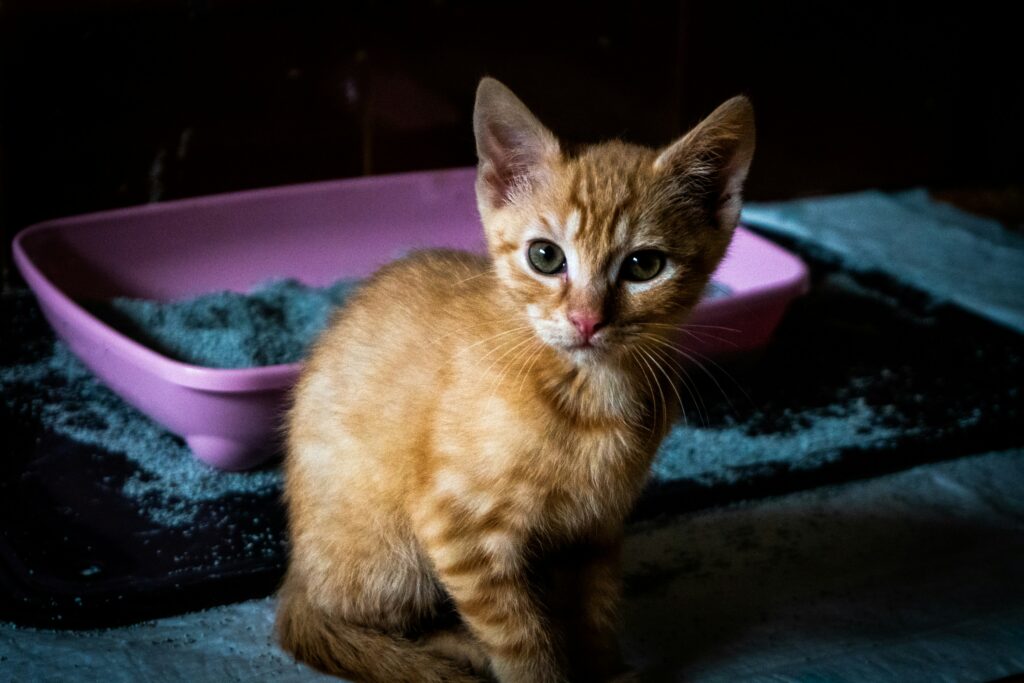
For cats with long hair, a low-tracking litter that is less likely to stick to their fur is best. Kittens often do best with unscented litters that are soft and made especially for them. Older cats may do better with a soft-textured litter that’s more forgiving of their joints.
You’ll also want to take into account any other cats you share your house with, as well as your household.
If someone in your household has allergies, choosing a low-dust cat litter can help reduce airborne particles and improve indoor air quality. Learning How Indoor Air Quality Affects Allergies can also help you create a healthier home environment. Those who are environmentally friendly may want to try an all-plant based biodegradable litter. No matter what kind you choose, the key is an odor-controlling litter that your cat finds palatable and doesn’t mind using, a frequent scooped-out box, a regular schedule for fully emptying and cleaning the litter box and good litter box placement.
Common Mistakes That Reduce Odor Control
Even after picking the finest cat litter for odor management, there are habits that may compromise the litter box effectiveness. Familiarizing yourself with the most frequent missteps will certainly contribute to a more neutral olfactory ambience in your home. One of the most important missteps involves neglecting to promptly scoop the litter box, as the waste promptly develops odors as soon as placed within the litter box.
You could remove up to twice daily to guarantee no smell begins accumulating inside the space.
Yet another mistake consists of introducing fresh litter without evacuating existing litter: whilst you may figure that’s handy, as the prevailing litter will get saturated with dampness, this also allows smells grow and be held. The quantity of litter also matters, as some companies endorse filling the litter box with about two or three inches so your pet can simply cover it.
Tips for Keeping the Litter Box Fresh
Tips for Keeping the Litter Box Fresh become even more effective when combined with Home Care & Cleaning Tips that help reduce odors and maintain a cleaner living space.
It’s best to use a quality litter when you take good care of the litter box, though. Location Keep the litter box in a well-ventilated, dry space where it isn’t in direct sun or humidity. Adequate airflow will decrease odor build up and can keep your cat more comfortable.
Cleaning Schedule scoop the litter box once or twice a day.
Wash the box with warm water and mild, unfragranced soap every few weeks. Harsh chemicals and intensely fragranced cleaning products can deter your cat. Additional Boxes If you have multiple cats, keep enough litter boxes in your home. It’s commonly suggested to have one box per cat and an additional box.
Litter Mat Place a litter mat on the floor outside of your litter box to decrease litter from tracking throughout your home.
How to Know It’s Time to Change the Litter
Even premium products eventually lose their ability to control odors. Knowing when to replace the litter completely helps maintain a cleaner environment.
Signs that it’s time for a full litter change include:
- Persistent odors shortly after scooping
- Weak or crumbling clumps
- Excessive moisture in the bottom of the box
- Increased dust production
- Your cat becoming reluctant to use the litter box
Replacing the litter according to the manufacturer’s instructions helps maintain consistent odor control and supports your cat’s hygiene.
Is Scented or Unscented Litter Better?
While some people think that scented cat litter will automatically have better odor control, this is not necessarily the case.
Although products that are scented will help to hide foul odors, top-quality, unscented cat litters can also eliminate smells using odor absorbers like active carbon, baking soda or other natural minerals. It is important to remember that many cats are unable to tolerate harsh perfumes and as a result, may refuse to go to the litter box when it is fragranced. If your cat suddenly starts rejecting the litter box when you try new types, the unscented variety might work!
So it all depends on your cats wants and needs and of course yours.
Conclusion
Finding the best cat litter for odor control involves more than selecting the first product on the shelf. The ideal litter should absorb moisture efficiently, trap odors, produce minimal dust, and remain comfortable for your cat to use. Whether you prefer clumping clay, silica crystals, or a natural plant-based formula, choosing a quality product and maintaining a consistent cleaning routine are equally important.
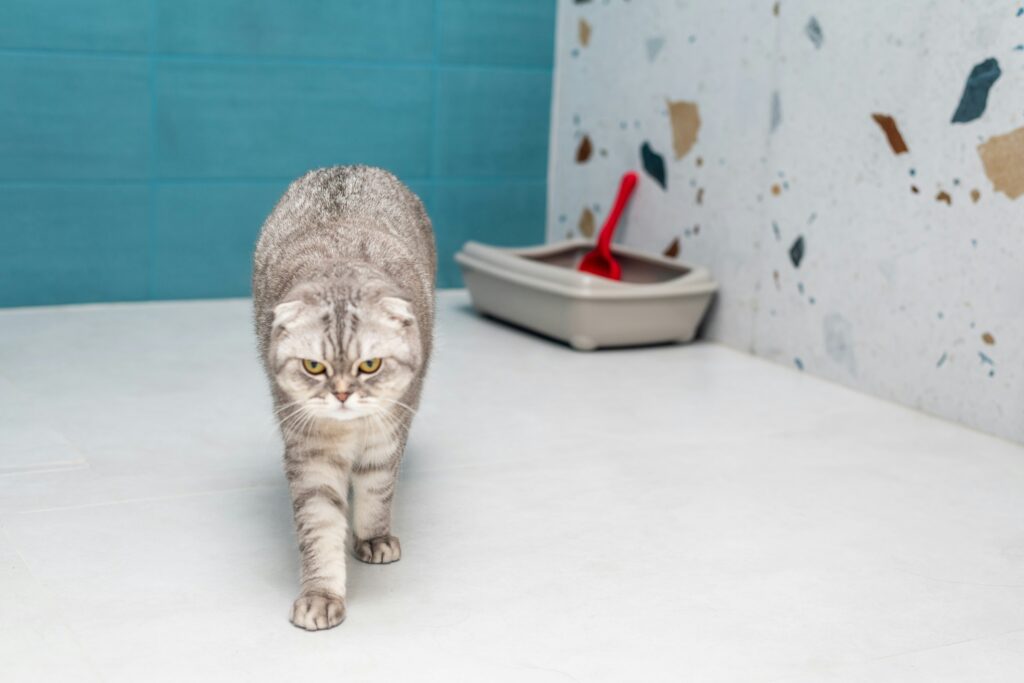
Regular scooping, thorough litter replacement, and proper litter box maintenance can help prevent and eliminate cat litter odor. Combining this trio of tactics with the right litter can help reduce undesirable smells, leaving your cat’s room smelling fresher and your cat more comfortable.
Frequently Asked Questions
1. Which type of cat litter is best for controlling odor?
Clumping clay, silica crystal, and some premium plant-based litters are great options for reducing undesirable odors. It depends on your cat’s preference, as well as how often you scoop.
2. How often should I scoop the litter box?
Most experts advise that you scoop at least once or twice a day. This can help remove unwanted smells by eliminating waste before it starts to decay.
3. Is it better to use scented or unscented cat litter?
It can depend on your cat, but most often, unscented litter is used to neutralize odors. Scented litter only masks smells, whereas unscented litter often contains odor-absorbing ingredients. Some cats simply dislike strongly-scented products.
4. How often should I replace cat litter?
It depends on the type of litter you’re using, as well as how many cats you have. As a rule of thumb, clumping litter should be replaced every two to four weeks, along with a thorough litter box cleaning.
5. Why does my litter box still smell?
Your litter box could be smelling due to heavily-soiled litter or inadequate litter depth. It might also be due to infrequent scooping or cleaning. In most cases, simply replacing the old litter with fresh one and cleaning the litter box can help reduce and eliminate odor.
6. Does low-dust cat litter help reduce odor?
Low-dust litter usually doesn’t reduce odor, unless it’s specially-treated to do so. However, some low-dust litters do contain odor-neutralizing ingredients.
7. How many litter boxes should I have?
The general rule of thumb is to have at least one litter box per cat, plus one extra. Having several litter boxes can help reduce odor by encouraging cats to use them and reducing the time between cleanings.