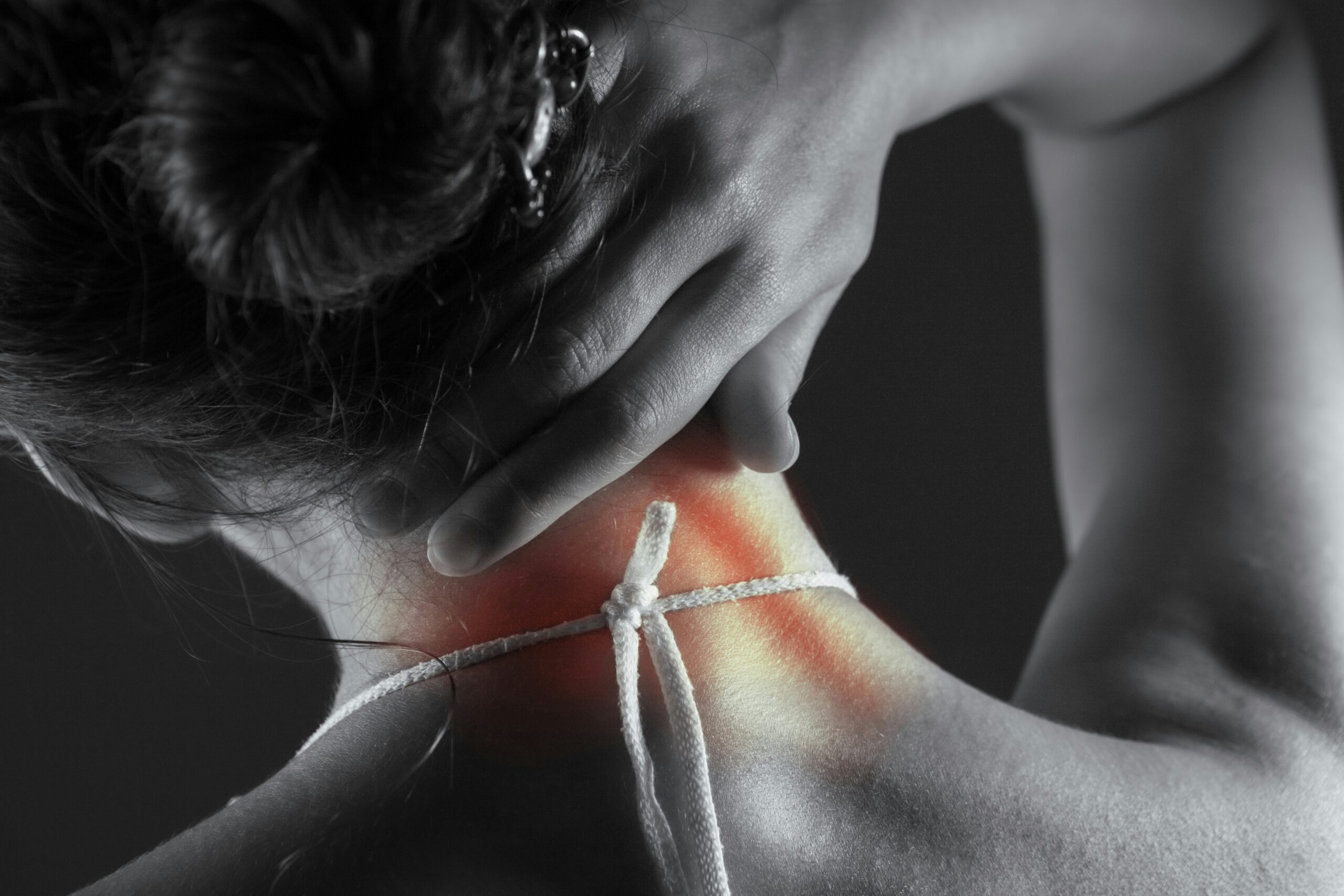
Waking up with a sudden, sharp tightness in your upper spine turns basic movements into an excruciating task. When simple daily habits like checking your blind spot while driving or looking down at a screen trigger a shooting jab of pain, figuring out how to get a crick out of your neck becomes an immediate priority.
A neck crick is essentially an acute spasm of the cervical muscles—most commonly the levator scapulae or trapezius—often accompanied by minor irritation in the small facet joints of your cervical spine. This sudden stiffness acts as your body’s natural defense mechanism, locking down movement to protect the area from perceived injury.
Restoring mobility requires a calm, deliberate approach. Aggressively cracking your joint or forcing deep stretches into an active muscle spasm usually makes the guarding worse. This guide outlines the biomechanics behind acute cervical stiffness, provides safe home remedies, and walks you through a step-by-step restoration process to relieve discomfort safely.
Anatomy of a Crick: Why Your Neck Locks Up
To figure out how to get a crick out of your neck, you must first understand why the surrounding tissues are reacting so intensely. The neck relies on a delicate balance of spinal alignment, nerve signaling, and coordinated muscle activation.
+—————————————————————————————+
| Anatomical Drivers of Acute Cervical Stiffness |
+————————–+————————————————————+
| Component | Physiological Role in Muscle Spasms |
+————————–+————————————————————+
| Levator Scapulae | Connects the upper cervical vertebrae to the shoulder blade.|
| | Highly sensitive to awkward sleep angles and draft chill. |
+————————–+————————————————————+
| Cervical Facet Joints | Small gliding joints along the rear spine. Minor joint |
| | irritation triggers immediate protective muscle guarding. |
+————————–+————————————————————+
| Muscle Spindle Sensors | Sensory receptors inside muscle tissue that contract hard |
| | when stretched too fast or kept in awkward positions. |
+————————–+————————————————————+
When your cervical spine stays turned at an awkward angle for hours—such as sleeping on a thick pillow or staring down at a mobile device—the levator scapulae muscle stretches beyond its comfortable resting length. The muscle spindle sensors inside register this strain and signal the central nervous system to contract the muscle forcefully.
This automatic reflex locks the tissue into a state of tonic spasm. Trying to push past this natural barrier through force creates a cycle of inflammation and guarding, making it harder to figure out how to get a crick out of your neck in the long run.
Initial Triage: Acute Care Phase (Hours 0–24)
During the first day of sharp, guarding pain, your primary goal is down-regulating the nervous system’s stress response rather than forcing mechanical movement.
┌──────────────────────────────────────────────────┐
│ Acute Neck Crick Onset (Sharp Localized Pain) │
└────────────────────────┬─────────────────────────┘
│
┌──────────────────────────┼──────────────────────────┐
▼ ▼ ▼
┌──────────────────────────┐┌──────────────────────────┐┌──────────────────────────┐
│ Cold Therapy (First 24h) ││ Gentle Iso-Metrics ││ Avoid Aggressive Force │
├──────────────────────────┤├──────────────────────────┤├────────────────────────##┤
│ – Apply ice 15 min on/off││ – Press palm to forehead ││ – Do NOT snap or crack │
│ – Reduces nerve signals ││ – Zero head movement ││ – Do NOT force deep end- │
│ – Blunts inflammation ││ – Re-educates muscles ││ range stretches │
└──────────────────────────┘└────────────────────────##└──────────────────────────┘
Thermal Management Strategy
Choosing between heat and cold depends on the timing of your symptoms. If the sharp, catch-like pain started within the last 24 hours, apply ice packs wrapped in a thin towel for 15-minute sessions every two hours. Cold slows local nerve conduction and limits secondary tissue inflammation.
After the initial 24 hours, switch to moist heat using a warm compress or a hot shower. Heat increases local blood circulation, dilates tight blood vessels, and helps relax stiff muscle fibers.
Gentle Isometric Muscle Engagement
Instead of stretching tight tissues right away, isometric exercises let you engage locked muscles without forcing joint movement. This safe approach is one of the most reliable ways when learning how to get a crick out of your neck early on.
Place the palm of your hand against your forehead. Gently press your head forward into your palm using about 20% of your strength, resisting all movement with your hand so your neck stays stationary. Hold this posture for 5 seconds, then slowly release. Repeat this isometric contract-relax technique on both sides and the back of your head to help reset overactive muscle signals.
Controlled Range-of-Motion Protocol (Hours 24–48)
Once the sharpest pain eases into a dull ache, gently move your neck through pain-free motions to encourage fluid movement in the facet joints.
+—————————————————————————————+
| Phase-Based Physical Recovery Matrix |
+————————–+—————————-+——————————-+
| Protocol Phase | Primary Movement Focus | Expected Functional Outcome |
+————————–+—————————-+——————————-+
| Phase 1: Chin Tucks | Deep Cervical Flexor | Decompresses upper spine and |
| | Activation | aligns forward head posture. |
+————————–+—————————-+——————————-+
| Phase 2: Lateral Tilt | Upper Trapezius & Levator | Gently lengthens tight side |
| | Soft Decompression | muscles without triggering pain|
+————————–+—————————-+——————————-+
| Phase 3: Thoracic Extension| Mid-Back Mobilization | Reduces stress on cervical |
| | | joints from tight mid-back. |
+————————–+—————————-+——————————-+
1. The Retraction Chin Tuck
Sit upright with your shoulders pulled back and down. Look straight ahead, place two fingers on your chin, and slide your head back like you are making a double chin. Avoid tilting your head down; keep your eyes level with the horizon. Hold this position for 3 seconds, then relax. Repeat 10 times to take pressure off irritated facet joints.
2. Supported Side Tilts
If you are searching for how to get a crick out of your neck while sitting at a desk, gentle lateral stretches offer quick relief. Anchor your left hand under the seat of your chair to keep your left shoulder down. Slowly drop your right ear toward your right shoulder until you feel a light stretch along the side of your neck. Stop well short of pain. Hold for 15 to 20 seconds while taking slow, deep belly breaths. Repeat twice on each side.
3. Thoracic Extensions Over a Chair Back

Neck stiffness often stems from a rigid mid-back. Sit on a sturdy chair with a mid-height backrest. Interlace your fingers behind your head to support your neck. Lean back gently over the top of the backrest, opening up your chest and arching your mid-back instead of bending your neck. This movement restores extension in your upper spine and takes structural pressure off your neck.
Common Mistakes That Worsen Neck Stiffness
When dealing with intense pain, it is easy to make quick choices that end up worsening your muscle spasms.
- Forceful Cracking or Popping: Never try to snap or twist your neck sharply to get it to pop. Forceful self-manipulation can pinch sensitive nerve roots, cause small tears in surrounding ligaments, and trigger a stronger protective spasm.
- Wearing Rigid Collars Without Medical Advice: Immobilizing your neck with a soft or hard brace weakens supporting muscles and delays recovery. Keep moving your neck gently within a comfortable, pain-free range.
- Aggressive Deep-Tissue Massage: Pressing hard into a sharp muscle spasm creates localized inflammation. Use gentle, sweeping self-massage techniques around the edges of the muscle instead of digging into the painful knot directly.
- Slouching in Bed with Multiple Pillows: Proping your head up with high pillows to read or watch TV forces your neck into forward flexion for hours, stretching tight muscles further and prolonging pain.
Comparing Options: Home Care vs. Professional Care
Understanding how to get a crick out of your neck means knowing when self-care is appropriate and when to consult a qualified healthcare provider.
+—————————————————————————————————+
| Care Method Comparison & Tactical Guidance |
+———————+——————-+———————+——————+—————-+
| Intervention Type | Mechanism of | Best Applied When | Relative Recovery| Risk Profile |
| | Action | | Speed | |
+———————+——————-+———————+——————+—————-+
| Contrast Thermal | Vascular dilation | Hours 0–48; acute | Moderate | Very Low |
| Application | & nerve numbing | muscle tightness | (1–3 Days) | |
+———————+——————-+———————+——————+—————-+
| Gentle Range-of- | Resetting muscle | Post-acute stage; | Steady | Low |
| Motion Exercises | spindle sensors | dull muscular ache | (2–4 Days) | |
+———————+——————-+———————+——————+—————-+
| Targeted Soft- | Re-establishing | Chronic tightness; | High | Low-Moderate |
| Tissue Therapy | blood flow | lingering trigger pt| (1–2 Sessions) | |
+———————+——————-+———————+——————+—————-+
| Medical Triage | Structural diagnosis| Radiating pain, | Variable | N/A (Diagnostic|
| Evaluation | & prescription | numbness, or weakness| (Requires Rx) | Necessity) |
+———————+——————-+———————+——————+—————-+
Red Flag Symptoms: When to Seek Immediate Medical Care
Most uncomplicated neck stiffness improves with time, but certain symptoms can point to a more serious condition and require prompt evaluation. Neck pain guidance from a trusted medical source can help explain when professional assessment is appropriate.
+—————————————————————————————+
| Clinical Red Flags Requiring Urgent Evaluation |
+—————————————————————————————+
| 1. Neurological Signs: Radiating numbness, tingling, or weakness in your arm or hand.|
+—————————————————————————————+
| 2. Systemic Symptoms: High fever, chills, unexplained night sweats, or sudden nausea. |
+—————————————————————————————+
| 3. Meningeal Signs: Extreme stiffness where you cannot touch your chin to your chest,|
| especially when accompanied by a severe headache or light sensitivity. |
+—————————————————————————————+
| 4. Trauma-Related Onset: Neck pain following a car accident, fall, or direct impact. |
+—————————————————————————————+
If you experience any of these warning signs alongside neck stiffness, skip home stretching protocols and consult a physician, physical therapist, or emergency care provider right away.
Long-Term Ergonomic Strategies to Prevent Recurrence
Once you know how to get a crick out of your neck and resolve the acute pain, it can also help to understand neck pain and posture tips so you can reduce unnecessary strain and prevent recurring stiffness.
+—————————————————————————————+
| Ergonomic Setup & Preventative Routine |
+————————–+————————————————————+
| Daily Habit | Best Practice Standard |
+————————–+————————————————————+
| Pillow Height Alignment | Choose a contoured pillow that keeps your nose, mouth, and |
| | sternum in a straight, neutral line while sleeping. |
+————————–+————————————————————+
| Monitor Elevation | Position your primary screen so the top third of the glass |
| | sits directly at horizontal eye level. |
+————————–+————————————————————+
| Mobile Device Angles | Bring smartphones up toward eye level instead of dropping |
| | your chin down to your chest. |
+————————–+————————————————————+
| Regular Micro-Breaks | Set a timer every 45 minutes to roll your shoulders and |
| | perform 5 gentle chin tucks. |
+————————–+————————————————————+
Adopting these simple daily adjustments can support a more comfortable workstation and minimize unnecessary strain, consistent with ergonomic guidance for computer users. By treating your neck gently during acute flare-ups and supporting it with proper posture, you can manage painful cricks effectively and reduce the likelihood of them coming back.