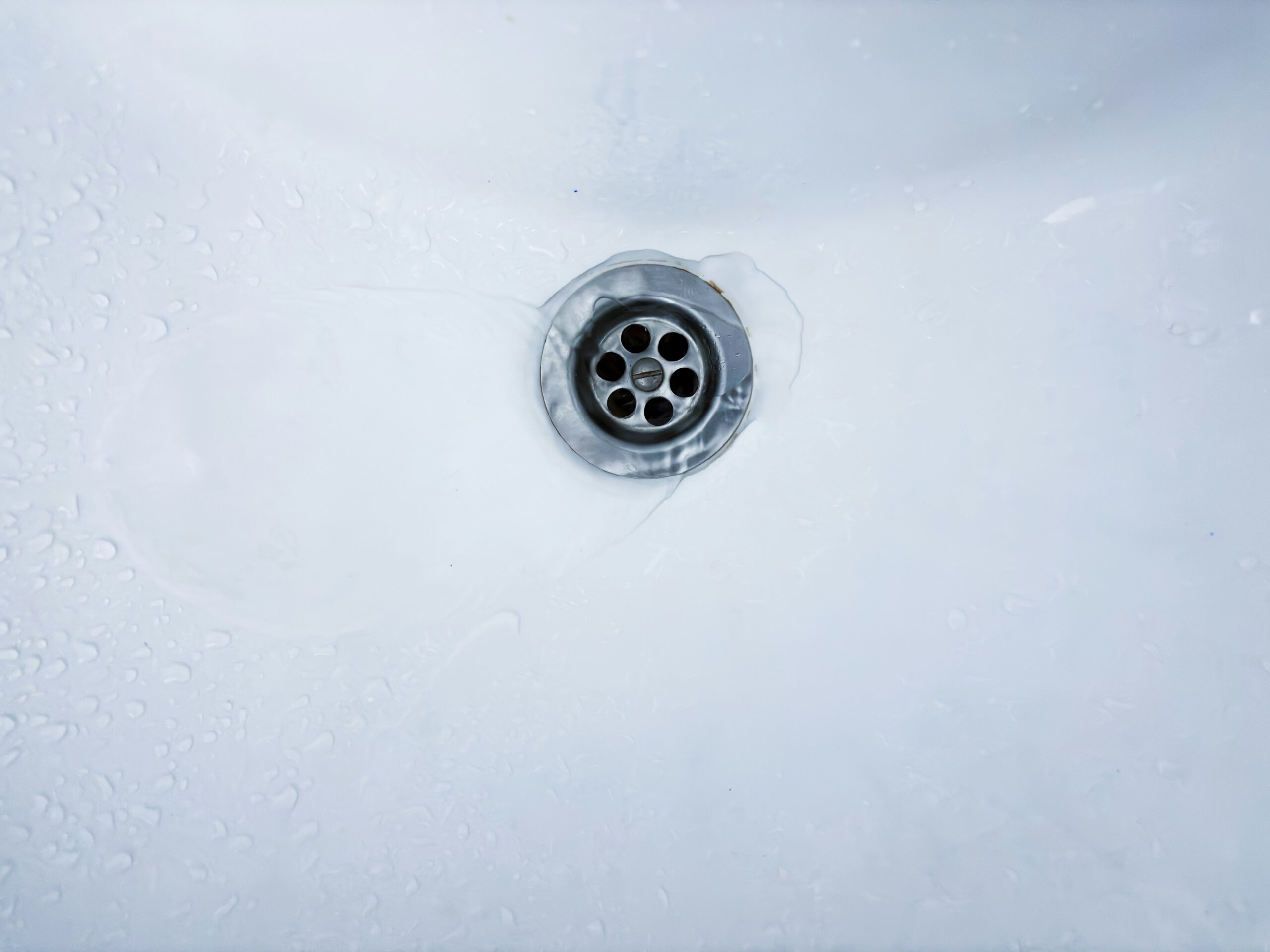
Few household annoyances disrupt your daily routine quite like stepping into a morning shower only to find yourself standing in a growing pool of soapy water. When drainage slows to a crawl, strands of shed hair bound together by soap scum, body oils, and conditioner residue are almost always the main culprit. Knowing how to get hair out of shower drain assemblies safely protects your plumbing, prevents foul odors, and restores normal drainage without forcing you to spend money on an emergency plumber.
Hair clogs do not form overnight. They build up gradually as individual strands catch on the rough edges of drain grates, crossbars, or internal pipe seams. Over time, these strands entangle more debris, creating a dense, fibrous mat that acts like a stopper inside the trap.
While pouring heavy chemical liquids down the sink or tub might seem like the quickest fix, understanding the risks of chemical drain cleaner damage can help prevent harm to older pipes, decorative metal finishes, and plumbing components. This practical guide covers the mechanics of drainage clogs, compares safe extraction tools, and walks you through step-by-step methods to clear your plumbing effectively.
The Root Cause: How Hair Clogs Form Inside Your Pipes
To select the right removal technique, you must first understand where and why hair accumulates within your shower’s drainage architecture.
+—————————————————————————————+
| Anatomy of a Shower Drain Hair Accumulation |
+————————–+————————————————————+
| Component Location | Clog Dynamics & Obstruction Behavior |
+————————–+————————————————————+
| Drain Cover & Crossbars | Strands wrap around upper support bars; creates an easy |
| | surface anchor for soap scum and loose debris. |
+————————–+————————————————————+
| Upper Tailpiece | Narrow vertical pipe section where hair tangles with sticky|
| | conditioner, body wash fats, and skin cells. |
+————————–+————————————————————+
| P-Trap Water Seal | Curved lower pipe segment designed to hold standing water; |
| | heavy hair balls sink here, restricting overall flow. |
+————————–+————————————————————+
Every time you bathe, natural shedding releases dozens of hair strands. As these strands flow down the waste pipe, they catch on internal friction points such as screw threads, crossbars, or mineral deposits along the pipe walls.
Once a few strands catch, they create a mesh network. Sticky bath products—especially heavy hair conditioners, body butter, and bar soap fats—bind to this network. As this mixture hardens inside the cool pipe, it forms a water-resistant barrier. Learning how to get hair out of shower drain assemblies requires breaking this physical barrier apart or pulling it out intact.
Diagnostic Checklist: Assessing Clog Depth and Severity
Before grabbing tools, determine the location and severity of the blockage. Identifying whether the obstruction sits near the surface or deep inside the P-trap helps you pick the right extraction method.
┌──────────────────────────────────────────────────┐
│ Assess Shower Drainage & Standing Water │
└────────────────────────┬─────────────────────────┘
│
┌──────────────────────────┼──────────────────────────┐
▼ ▼ ▼
┌──────────────────────────┐┌────────────────────────##┐┌──────────────────────────┐
│ Shallow Surface Clog ││ Mid-Depth Trap Clog ││ Deep Mainline Line Block │
├────────────────────────##┤├────────────────────────##┤├────────────────────────##┤
│ – Water drains slowly ││ – Water pools quickly ││ – Multiple fixtures back │
│ – Hair visible under ││ – No hair visible at top ││ up simultaneously │
│ top drain cover ││ – Clog sits 4–8 inches ││ – Requires mechanical │
│ – Easy manual removal ││ down inside P-trap ││ plumbing snake │
└──────────────────────────┘└──────────────────────────┘└──────────────────────────┘
Shallow Surface Blockages
If standing water drains slowly but you can see a dark mass right beneath the grate, the clog sits at the crossbar level. This scenario is the easiest to fix and requires simple hand tools like needle-nose pliers or a flexible plastic cleaning snake.
Mid-Depth Trap Blockages
If the drain basin fills with water within 30 seconds and no hair is visible directly below the grate, the tangle has likely migrated 4 to 8 inches down into the P-trap curve. Clearing this area requires longer flexible extraction tools, a hand-crank drain auger, or a plunger to create water pressure.
Systemic Mainline Blockages
If water backs up in your shower when you run the bathroom sink or flush the toilet, the problem may indicate a main sewer line blockage rather than a simple hair knot. This indicates a restriction deeper in the main soil stack or sewer lateral, which requires professional plumbing equipment.
Method 1: Manual Extraction Using Mechanical Snake Tools
The most reliable, non-chemical method when figuring out how to get hair out of shower drain pipes is mechanical removal. Pulling the physical mass out prevents debris from washing further down the plumbing line.
+—————————————————————————————+
| Mechanical Extraction Tool Comparison |
+————————–+—————————-+——————————-+
| Tool Type | Ideal Clog Depth | Extraction Efficiency |
+————————–+—————————-+——————————-+
| Plastic Zip Snake | 2 to 7 Inches | High; barbs lock onto hair |
| (Barbed Wand) | (Upper Tailpiece / Trap) | strands instantly. |
+————————–+—————————-+——————————-+
| Wire Coat Hanger | 3 to 6 Inches | Moderate; simple hook catches |
| (Modified DIY) | (Crossbar Area) | larger main clumps. |
+————————–+—————————-+——————————-+
| Hand-Crank Steel | 8 to 30 Inches | Superior; rotating bulb head |
| Plumbing Auger | (Deep P-Trap & Branch) | bores through dense mats. |
+————————–+—————————-+——————————-+
Step-by-Step Instructions using a Barbed Plastic Wand
- Remove the Strainer Cover: Remove the top drain plate. Snap-in grates can be pried up gently with a flathead screwdriver, while screw-down covers require a Phillips head screwdriver.
- Insert the Wand: Slowly push the thin, barbed plastic snake into the opening. Rotate the tool slightly as it slides past the crossbars and moves down toward the curved trap.
- Engage the Hair Mass: Once you feel resistance, twist the wand handle two or three times in a full circle. The reverse-facing barbs catch on strands, locking the hair mass to the tool.
- Extract and Clean: Slowly pull the tool upward. Keep an empty trash bag and paper towels nearby to catch wet debris.
- Flush with Hot Water: Run hot tap water for two minutes to clear remaining soap scum and verify that drainage speed is restored.
Method 2: Natural Baking Soda and Vinegar Dissolving Flush
If you prefer a hands-off approach or want to clear remaining residue after manual extraction, a home-mixed effervescent flush breaks down organic fats binding the hair together.
+—————————————————————————————+
| Chemical Reaction Mechanics of Natural Flushing |
+————————–+————————————————————+
| Phase & Ingredients | Reaction Function Inside the Drain Line |
+————————–+————————————————————+
| Phase 1: Boiling Water | Melts solidified soap scum, body fats, and bath oils |
| Pre-Flush | coating the hair mass. |
+————————–+————————————————————+
| Phase 2: Baking Soda + | Produces carbon dioxide gas expansion; bubbles scour pipe |
| Distilled White Vinegar | walls and loosen sticky bonds holding hair to metal. |
+————————–+————————————————————+
| Phase 3: Hot Water | Flushes loosened organic debris down the main stack |
| Final Rinsing | without leaving chemical residues behind. |
+————————–+————————————————————+
Execution Protocol
- Prepare the Drain: Pour 2 quarts of near-boiling water directly into the drain opening to melt accumulated soap fat.
- Add Baking Soda: Pour 1/2 cup of pure baking soda into the pipe opening, pushing the powder down past the crossbars with a small brush if necessary.
- Add Vinegar: Immediately pour 1 cup of distilled white vinegar down the pipe. Cover the drain opening with a damp washcloth or rubber stopper to direct the bubbling carbon dioxide action downward through the clog.
- Allow Dwell Time: Let the mixture react for 30 to 45 minutes. The mild acid breaks down soap scum matrices, loosening trapped hair strands.
- Final Flush: Remove the cloth cover and flush the pipe with 1 gallon of boiling water to clear remaining debris.
While this non-toxic method is safe for all pipe materials, understand its limitations: vinegar cannot fully dissolve human hair strands. It breaks apart the surrounding soap grease holding the mass together, allowing water to push the loosened strands down the line.
Method 3: The Plunger Technique for Water-Bound Blockages
When standing water covers the shower floor, manual snake tools can be messy to use. Using a sink plunger creates push-and-pull water pressure that dislodges hair clumps stuck in the trap.
┌──────────────────────────────────────────────────┐
│ Prepare Plunger Base & Cover Overflow Plate │
└────────────────────────┬─────────────────────────┘
│
▼
┌──────────────────────────────────────────────────┐
│ Create Airtight Seal Over Drain Opening with Water│
└────────────────────────┬─────────────────────────┘
│
▼
┌──────────────────────────────────────────────────┐
│ Plunge Rapidly Up & Down (Maintain Water Seal) │
└────────────────────────┬─────────────────────────┘
│
▼
┌──────────────────────────────────────────────────┐
│ Pull Up Sharply to Draw Trapped Hair to Surface │
└──────────────────────────────────────────────────┘
Execution Protocol
- Seal Overflow Vents: If you are working on a tub-shower combination, seal the overflow plate located below the tub faucet using duct tape or a damp towel. If left open, air escapes through the vent, destroying hydraulic suction.
- Position the Plunger: Place a standard cup plunger directly over the main drain opening. Ensure there is enough standing water in the basin (about 1 to 2 inches) to submerge the rubber rim.
- Establish a Vacuum Seal: Press down slowly on the handle to push air out of the cup, forming a tight seal against the floor.
- Plunge Firmly: Push and pull the handle vigorously up and down for 15 to 20 seconds, keeping the rubber rim sealed against the bottom. The rapid water movement breaks up compacted hair balls.
- Lift Sharply: Pull the plunger up sharply to draw dislodged hair clumps out of the pipe opening where you can easily scoop them up with paper towels.
Critical Errors to Avoid When Clearing Drain Clogs
Knowing how to get hair out of shower drain assemblies safely also means avoiding common mistakes that lead to costly plumbing repairs.
+—————————————————————————————+
| Common DIY Drain Mistakes & Risks |
+————————–+————————————————————+
| Dangerous Practice | Potential Risk & System Damage |
+————————–+————————————————————+
| Overusing Concentrated | Corrodes older galvanized steel pipes, softens thin PVC |
| Caustic Chemical Cleaners| glue joints, and ruins dark metal hardware finishes. |
+————————–+————————————————————+
| Using Unbent Metal Coat | Scratches internal pipe linings, gets stuck in tight bends,|
| Hangers Forcefully | or punctures thin ABS plastic drain walls. |
+————————–+————————————————————+
| Pouring Boiling Water on | Thermal shock can crack fragile porcelain tubs or expand |
| PVC Under Freezing Temps | cold PVC joints, causing hidden subfloor leaks. |
+————————–+————————————————————+
Harsh Chemical Liquid Cleaners
Liquids containing high concentrations of lye or sulfuric acid generate high temperatures inside the pipe to dissolve organic matter. This heat can warp thin-walled plastic pipes, melt glue joints, and cause dangerous splatters if the tool splashes back into the tub.
Forcing Wire Tools Into Bends
Forcing a stiff, unbent wire around tight 90-degree pipe turns can snag internal rubber gaskets or scratch smooth interior walls. Scratched plastic surfaces are rougher, making it easier for future hair strands to catch and form new clogs.
Preventing Future Hair Accumulation
Once you clear your drain, implementing preventative maintenance steps keeps water flowing freely and reduces how often you need to perform deep cleanouts.
+—————————————————————————————+
| Preventative Drain Maintenance Schedule |
+————————–+————————————————————+
| Maintenance Task | Recommended Frequency & Procedure |
+————————–+————————————————————+
| Surface Mesh Screen | Clean weekly; place a stainless steel or silicone hair |
| Wipe Down | catcher over the grate to trap strands before they enter. |
+————————–+————————————————————+
| Hot Water Enzyme Flush | Monthly; pour a bio-enzymatic drain cleaner down the line |
| | overnight to digest lingering soap fats. |
+————————–+————————————————————+
| Pet Grooming Pre-Rinse | Before bathing pets, brush them thoroughly to catch loose |
| | undercoat hair before it reaches the shower basin. |
+————————–+————————————————————+
Using a fine stainless steel mesh strainer catches up to 95% of shed hair before it enters your plumbing, making preventive plumbing maintenance easier and helping reduce future drain clogs. Cleaning this surface screen takes just a few seconds after each shower, saving you from having to clear deep, compacted clogs later on.
Method Comparison for Removing Shower Drain Hair
Use this comparison table to select the best removal method based on your clog type, skill level, and available tools.
+—————————————————————————————————+
| Method Comparison for Removing Shower Drain Hair |
+———————+——————-+———————+——————+—————-+
| Removal Method | Required Equipment| Best Clog Location | Skill Level | Risk of Pipe |
| | | | Needed | Damage |
+———————+——————-+———————+——————+—————-+
| Plastic Zip Snake | Barbed Plastic | Shallow to Mid-Trap | Low | None |
| Extraction | Wand | (2 to 7 inches) | | |
+———————+——————-+———————+——————+—————-+
| Hand-Crank Steel | Hand-Crank Drum | Deep P-Trap Line | Medium | Low |
| Drain Auger | Snake | (8 to 30 inches) | | (If forced) |
+———————+——————-+———————+——————+—————-+
| Natural Baking Soda | Baking Soda, | Soap Scum Buildup | Low | None |
| & Vinegar Flush | Vinegar, Water | around Hair Lines | | |
+———————+——————-+———————+——————+—————-+
| Cup Plunger | Standard Rubber | Standing Water | Low | Very Low |
| Hydraulic Push | Cup Plunger | Trap Clogs | | |
+———————+——————-+———————+——————+—————-+
Taking a systematic, tool-based approach keeps your shower draining smoothly while protecting your plumbing system. By combining mechanical extraction with simple preventive habits, you can stop hair clogs from forming and avoid unexpected plumbing repairs down the road.
Frequently Asked Questions
1. Does chemical drain cleaner actually dissolve human hair?
Caustic drain openers containing high concentrations of sodium hydroxide (lye) can break down hair proteins over time. However, they struggle to fully dissolve dense hair knots trapped in standing water and carry a high risk of damaging pipes, glues, and finish hardware.
2. Why does my shower drain clog again just a few weeks after cleaning it?
Quick cleanings often only pull out the center of a hair mass, leaving a ring of tangled strands stuck to the pipe walls. Use a flexible barbed wand or a rotating drum snake to clear the entire circumference of the pipe.
3. Can I use bleach to break up hair in a shower drain?
No. Bleach is a disinfectant, not a hair-dissolving solvent. It will not break down hair or soap fats, and mixing bleach with leftover household cleaners can create dangerous toxic gas fumes.
4. How do I remove a flat shower drain cover that does not have screws?
Flat metal covers without screws are usually held in place by friction gaskets or snap-in tabs. Insert a flathead screwdriver or butter knife into one of the outer slots and gently pry upward to pop the plate off.
5. What is the safest way to clear a hair clog in vintage cast iron pipes?
For older cast iron systems, stick strictly to mechanical removal tools like plastic snakes or rubber cup plungers. Avoid acid-based chemical cleaners, which accelerate corrosion and rust flaking on worn iron surfaces.