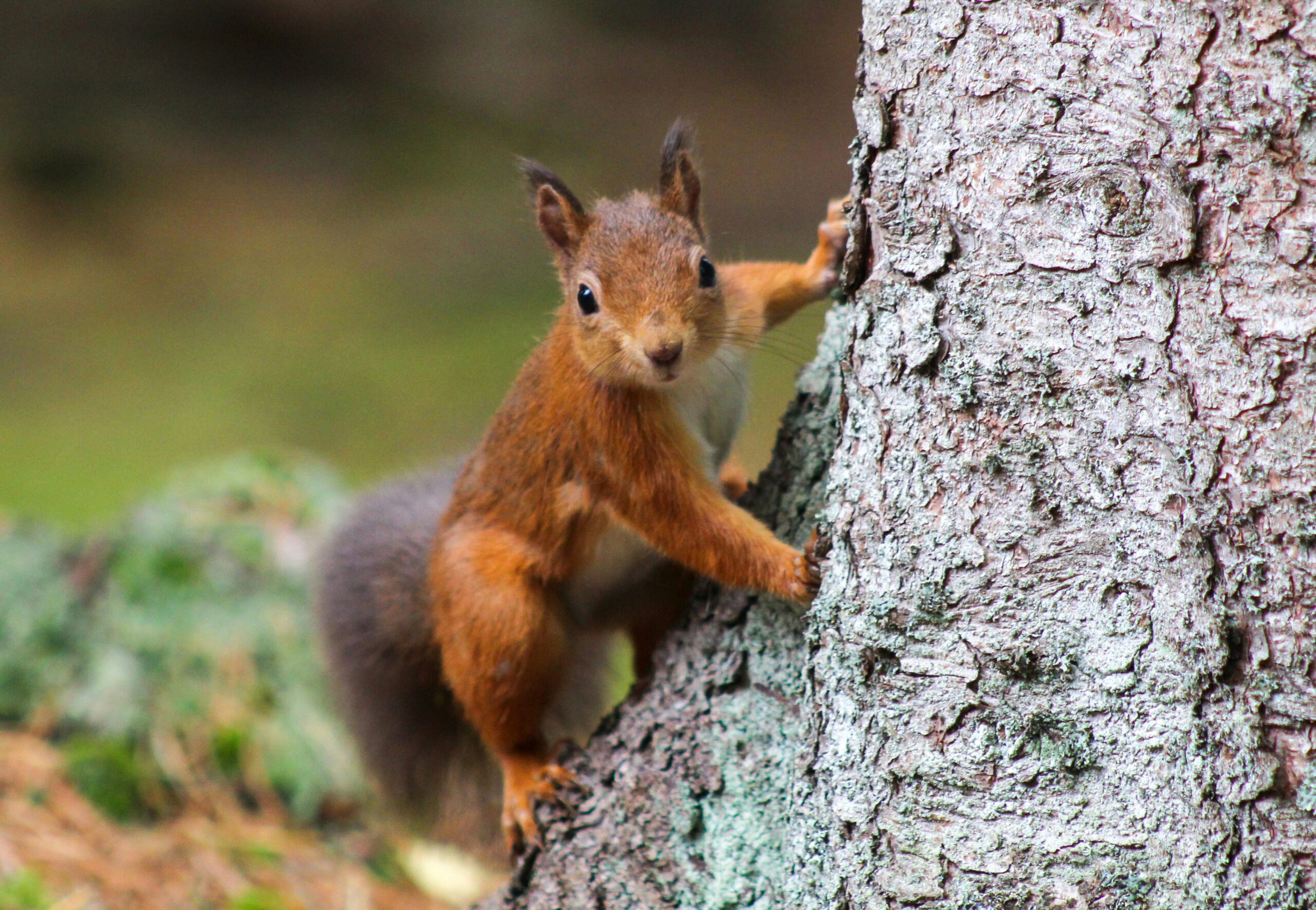
Hearing persistent scratching, scurrying, or thumping sounds directly above your ceiling usually signals an uninvited biological intrusion. When property owners suddenly realize they must figure out how to get squirrels out of attic enclosures, the initial reaction is often a mix of urgency, frustration, and worry over potential structural damage. These agile rodents treat elevated household spaces as prime real estate, seeking refuge from harsh weather and predators while building insulated nests for their offspring.
Left alone, wildlife infestation may cause significant damage to the house’s structures and systems and pose a threat to humans and pets. Squirrels are rodents, and their constantly growing incisors compel them to chew wood, plastic, insulation, and electrical wires. Getting rid of them is not as easy as setting a simple trap; it takes a great amount of effort and knowledge to eliminate the pests and prevent them from returning. Understanding what attracts wildlife to the house will help address the issue accordingly.
The following professional guide will discuss the signs of infestation, appropriate methods for removal, and necessary aftercare measures for getting rid of squirrels for good.
Identifying the Scope of the Infestation and Wildlife Activity
Before taking active steps regarding how to get squirrels out of attic storage areas, you must accurately diagnose the specific animal species inhabiting your ceiling structure. Different wildlife species leave distinct behavioral footprints, and attempting eviction methods designed for raccoons or mice on squirrels will prove largely ineffective.
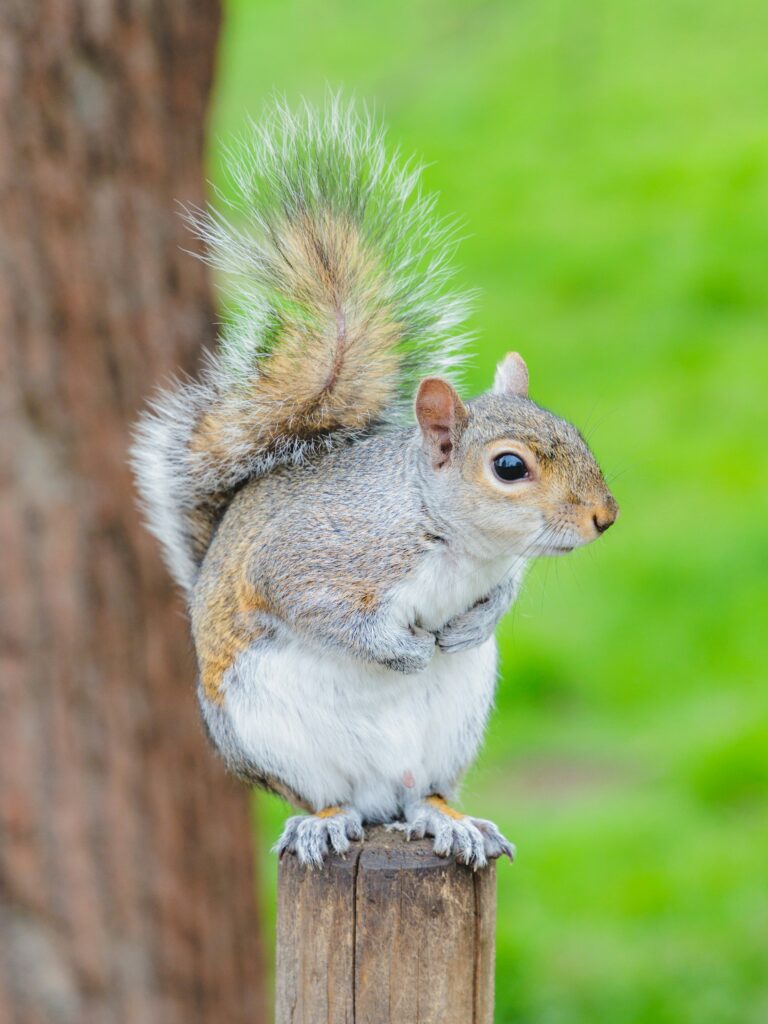
Timing provides the first major clue when identifying overhead pests. Eastern gray squirrels and fox squirrels are strictly diurnal creatures, meaning they are active during the day. If you hear rapid scurrying, scratching, and rolling noises in the early morning at sunrise or during late afternoon, you are almost certainly dealing with tree squirrels. Conversely, nocturnal noises during the middle of the night point toward mice, rats, raccoons, or southern flying squirrels, which require different removal protocols.
Visual inspections inside the crawlspace yield additional diagnostic evidence. Look for localized piles of crushed insulation, shredded cardboard, or chewed wood shavings clustered near outer eaves and soffit intersections. Squirrel droppings resemble dark, cylindrical capsules about half an inch long with rounded ends, typically scattered along primary travel routes rather than concentrated in single latrine spots. You may also spot oily dark smudge marks along rafter edges where their fur rubs against wood during daily trips in and out.
Understanding Why Animals Nest Indoors and Checking for Dependent Offspring
To execute a successful plan for how to get squirrels out of attic areas, you must understand what makes your home an attractive nesting site. Elevated residential structures offer dry, predator-free environments with stable ambient temperatures, making them ideal shelters. Understanding the animal breeding calendar is crucial before deploying any exclusion devices or sealing potential access points.
Female squirrels can have up to two litters a year. The first litter occurs in early spring, from February to April, and the second litter is in late summer, from July to August. Thus, if during the nesting season, you find an adult female in the house, it means there is a high probability that she has a litter of her offsprings nearby. It is better not to trap or evict her without first checking if there are any babies in her nest.
She will furiously gnaw the wooden parts of the house trying to reach her young ones if you catch her outside the nest and release her away from her babies, or trap her inside the house without her litter. She will do that either way. As a result, she will cause serious damage to your home.
If the mother is not able to reach her babies, they will be left to starve in the confined space of the walls, ceiling, or floor, causing bad odors, attracting insects, and making a mess that will be necessary to clean up. Therefore, it is important to check if there are any young animals in the hole with a flashlight before filling the hole or trapping the squirrel.
Evaluating Removal Methods: Exclusion Devices, Trapping, and Deterrents
When considering how to get squirrels out of attic zones, property owners can choose from several tactical approaches depending on the severity of the infestation, accessibility of entry points, and local wildlife protection regulations. Evaluating the pros and cons of each method ensures a humane, legal, and effective outcome.
The most efficient and professional method involves the installation of a one-way exclusion door over the primary entrance gap, a core principle of humane wildlife exclusion methods. The device consists of a spring-like metal mesh funnel, allowing animals to exit the structure when pushing against it but preventing further entry. Such a solution eliminates the need for direct contact with the creature and causes it no distress.
In case one-way doors are unsuitable for the task, consider using large-scale live traps. Make sure to place them along the building’s main exterior corridors or attach them to the roof eaves securely. Avoid trapping animals inside the insulated space surrounded by darkness. Some cities or states have regulations concerning relocating wild animals beyond a particular area, so check the local legislation regarding such matters.
Step-by-Step Eviction Protocol Using One-Way Exclusion Doors
Executing a flawless process for how to get squirrels out of attic spaces using exclusion devices requires meticulous preparation, careful timing, and precise structural installation. Skipping steps during the eviction phase will likely allow the animals to discover alternate entries or bypass your controls.
Start by conducting a thorough exterior inspection of your entire roofline, fascia boards, soffits, chimney flashing, and ridge vents during bright daylight hours. Identify every potential opening larger than a silver dollar, using a pencil or chalk to mark structural gaps, rotted wood sections, and unmeshed vent covers. You must select the single most heavily used hole as your designated exclusion exit, which is easily recognized by heavy fur oil staining and loose debris.
Next, make sure all other possible entry points are permanently plugged or sealed off prior to installing your one-way door. Use heavy grade galvonized hardware cloth, polyurethane expanding foam plus steel wool and good quality exterior silicone sealant to seal off other possible entry points. After all other entry points have been secured, install the one-way exclusion door over the opening you’ve chosen. Use stainless steel screws to attach the door’s base flange to the framing.
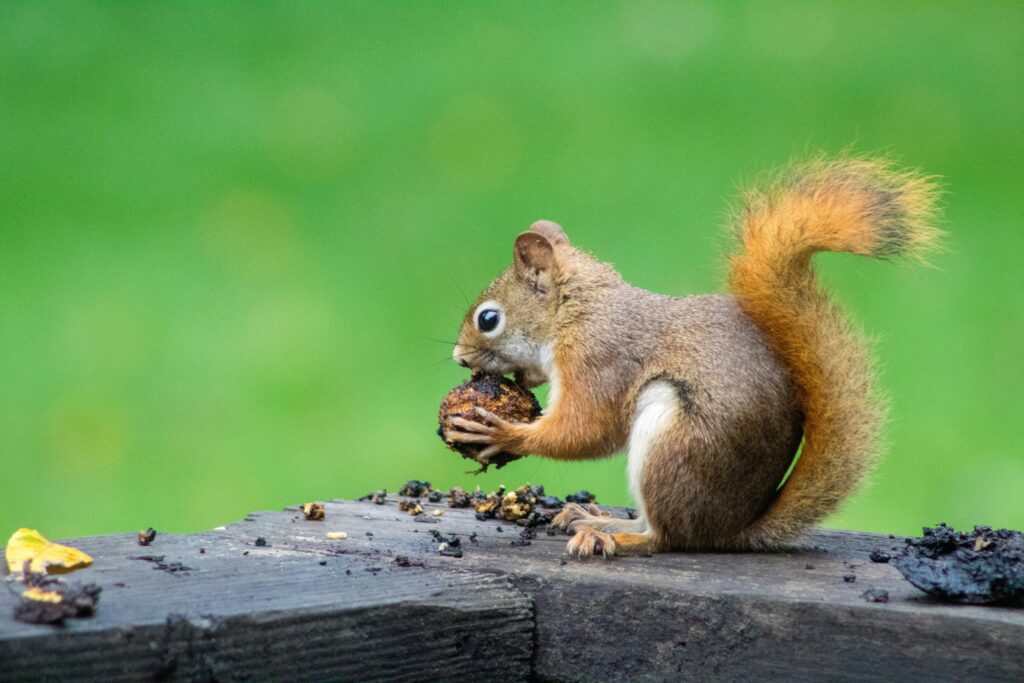
Once the door is installed, leave it up for several days and watch that the animals are leaving the area. You can test this by stuffing a crumpled newspaper up the funel. If the newspaper remains undisturbed after three days of warm weather it is safe to assume that all animals have exited, so remove your exclusion device. The last step is to permanently cover the opening with metal flashing and hardware cloth.
Avoiding Common Mistakes and Hazardous Eviction Tactics
When desperate homeowners search for how to get squirrels out of attic locations, they frequently encounter ineffective or hazardous DIY tricks online that fail to resolve the underlying infestation and can create greater risks.
A common mistake is using only chemical repellents, mothballs, or predator urine. A pungent odor might be an issue, but a mother animal defending her young has a powerful instinct that will overcome her fear of humans and their unpleasant-smelling surprises. Another thing that people do wrong is sealing the opening when they see that the animals are gone.
It is better to wait until late afternoon or evening to be certain that all unwanted guests have left the premises. Squirrels are not active animals, and it is not unusual for them to stay in their nests overnight or even for several days. If you seal the opening while there are still some animals present in the walls, they will most likely chew everything in their path seeking an exit. After that, they will die inside the walls, creating an additional problem that will have to be dealt with.
Similarly, strobe lights, ultrasonic noise emitters, and high-pitch sound machines rarely yield long-term success. Animals quickly acclimate to repetitive ambient noises and flashing lights once they realize the stimuli present no immediate physical threat, rendering electronic repellents useless within a few days of installation.
Cleaning, Sanitizing, and Restoring Contaminated Attic Spaces
Solving the immediate problem of how to get squirrels out of attic enclosures is only half the battle; proper environmental restoration is necessary to ensure your living space remains safe and sanitary. Wild animals leave behind significant biological waste, scent markings, and physical damage that must be addressed immediately following eviction.
Animals use their urine, feces, and other secretions to mark their nesting area. These substances attract other animals to your roof, long after the first ones have left. Make sure you wear an N95 mask, disposable nitrile gloves, and eye protection when eliminating biohazards from the contaminated zone.
Mist lightly the contaminated insulation and wood areas with an enzymatic disinfectant cleaner. This will help you remove dried organic waste and reduce the spread of dust spores. Scoop the dry mess and take the broken or strongly urine-soaked materials out in heavy-duty trash bags. Remove the unsuitable insulation and replace it with a new one so that your house can properly insulate.
Inspect all exposed electrical cabling along rafter lines thoroughly for signs of teeth marks or stripped rubber jacketing. Bare copper wires left behind by chewing rodents present severe electrical short and fire hazards. If you discover compromised electrical lines, hire a licensed electrician immediately to splice new wire sections and install protective metal conduit.
Comparative Overview of Wildlife Removal and Prevention Methods
Selecting the best strategy for how to get squirrels out of attic spaces depends on seasonal timing, structural accessibility, budget considerations, and local wildlife regulations.
One-Way Exclusion Doors are ideal for spring and summer evictions when no dependent young are present. They offer high humane efficacy, moderate installation complexity, and zero direct handling requirements.
Live Cage Trapping is most effective when entry voids are situated on uneven surfaces where exclusion devices can’t be safely installed. This method demands daily inspection, trapping, and baiting, as well as following your area’s relocation laws.
Professional Wildlife Services are often necessary for dealing with widespread infestations, high rooflines, and mother animals with young ones. They offer high efficiency, full structural warranty, and thorough cleanup, but the services tend to be expensive.
Physical Barrier Sealing is an obligatory procedure that should be done after any type of removal. This process consists of mounting metal flashing, ridge vents, or heavy-duty wire mesh along the roofline to provide long-lasting protection.
Long-Term Prevention Strategies to Keep Wildlife Out
Once you have successfully executed your plan for how to get squirrels out of attic spaces and completed all necessary repairs, implementing long-term landscape and structural maintenance habits will keep your home secure against future invasions.
Tree branches overhanging your roofline serve as high-speed highways for wildlife, providing easy access to eaves, gutters, and roof vents, which is why home pest prevention tips can help reduce future infestations. Prune all tree limbs and dense vegetation back at least six to eight feet from your roof edge. This simple step forces animals to cross open ground to reach your foundation, drastically reducing the likelihood that they will discover roofline vulnerabilities.
Inspect your home’s exterior envelope annually every autumn before cold weather sets in. Look for rotted fascia boards, loose soffit panels, rusted chimney caps, and weathered ridge vent gaskets. Repair deteriorating wood and install heavy-gauge stainless steel mesh covers over chimney flues, gable vents, and foundation louvers to maintain a tight structural seal.
Manage outdoor food sources that attract wildlife to your yard. Secure household garbage cans with tight-fitting lids, clean up fallen fruit from backyard trees promptly, and consider removing or modifying bird feeders. Bird seed offers a dense source of calories that draws wild rodents directly toward your property, increasing local animal populations near your home.
Frequently Asked Questions
1. How long does it take to get squirrels out of an attic using a one-way door?
When installed correctly, a one-way exclusion door typically clears an active infestation within forty-eight to seventy-two hours, as the animals must leave the structure daily to search for food and water.
2. Can I use mothballs or ammonia to drive squirrels out of my attic?
No. Chemical repellents, mothballs, and ammonia are generally ineffective against established wildlife and release toxic fumes into your home’s indoor air supply, creating health hazards for human residents.
3. What should I do if there are baby squirrels in my attic?
If dependent offspring are present, wait until the young are mobile enough to exit on their own, or hire a professional wildlife rehabilitator to remove the litter safely and reunite them with the mother outdoors.
4. Will squirrels leave an attic on their own eventually?
Unlikely. While animals may forage outdoors during the day, they will continue using your ceiling space as a permanent nest and shelter season after season unless they are physically excluded and entry points are sealed.
5. Why are squirrels chewing on the electrical wires in my ceiling?
Rodents have continuous tooth growth and must chew on hard materials to wear down their incisors. Electrical wiring, wooden framing, and PVC pipes offer ideal resistance for their dental maintenance.
6. How much does it cost to repair attic damage caused by squirrels?
Costs vary widely depending on the severity of the infestation. Minor exclusions and repairs may cost a few hundred dollars, while full insulation replacement and electrical rewiring can run into thousands.