If you spill something at home few are more common-or more fast-acting-than a knocked-over coffee mug. Morning rush, an accidental bump during a Zoom call, a romping dog or toddler – there are a host of ways coffee finds its way to your favorite rug. The combination of dark tannins, natural color, and the milk and sugar often found in a hot cup of joe makes cleaning up such a spill notoriously tricky.
The good news is that learning how to remove coffee stain from carpet doesn’t require expensive equipment or professional-grade chemicals in most situations. Speed, selecting the right cleaning agents and knowing your common mistakes usually means your carpet can be saved from permanently discolored.
This guide explains how to remove coffee stain from carpet by covering why coffee stains are often difficult to eliminate, this will help us define: The best methods for cleaning both fresh and dried stains How carpet material will change the technique used When common household solutions aren’t cutting it.
Why Coffee Leaves Stubborn Carpet Stains
Coffee is not plain old dirty water! Coffee contains natural tannins that bind strongly to many carpet fibers, making stains harder to remove. Understanding what are coffee tannins helps explain why these stains can become permanent if left untreated. These compounds are responsible for coffee’s rich color, but they also make stains difficult to lift once they penetrate carpet fibers, which is why understanding how to remove coffee stain from carpet correctly can make a significant difference in preventing a permanent mark.
Several factors influence how severe a stain becomes:
- Whether the coffee was black or contained milk and sugar
- How long the spill remained before cleaning
- The type of carpet fiber
- Previous carpet treatments or stain protection
- The temperature of the spilled coffee
You pour milk out (it adds proteins, and fat, residue can stick) you spill sugar out and that area becomes sticky and can still attract and hang onto the dirt even after the visible stain is no longer present.Understanding these differences helps explain why the best method for how to remove coffee stain from carpet depends partly on what was actually spilled.
Why Acting Quickly Makes a Big Difference
What You should Know About Coffee Stain and Carpet The earliest 10-15 minutes may be decisive whether the coffee stain lasts on your carpet for eternity. When the coffee spills in the first place, it would be on the surface for a brief amount of time, eventually seeping in under the carpet fibers and into the cushioning beneath the rug, so called padding where they get very potent. When the humidity in the area evaporated, the so called ink would remain in a concentrated form that’s much more difficult to extract.
Immediate cleaning helps by:
- Removing liquid before it penetrates deeper
- Preventing tannins from bonding with fibers
- Reducing the chance of lingering odors
- Limiting bacterial growth when dairy products are present
Even if the spill has already dried, successful stain removal is still possible. It simply requires additional patience and repeated treatment.
Before You Start Cleaning
Before applying any cleaning product, gather a few basic supplies.
A simple cleaning kit includes:
| Item | Purpose |
| White microfiber cloths | Absorb liquid without transferring dye |
| Spray bottle | Evenly distribute cleaning solution |
| Cold or lukewarm water | Dilutes remaining coffee |
| Mild dish soap | Removes oils from cream or milk |
| White vinegar | Helps loosen tannin stains |
| Baking soda | Neutralizes odors after cleaning |
| Soft brush | Loosens dried residue gently |
Avoid colored towels because dyes may transfer onto light-colored carpeting.
Step-by-Step: How to Remove Coffee Stain from Carpet Immediately
If the spill just happened, follow these steps carefully.
Step 1: Blot—Never Rub
Use a clean white towel to gently blot the spill.
Press downward firmly to absorb moisture.
Do not scrub.
Scrubbing spreads the stain, pushes coffee deeper into the carpet, and may damage delicate fibers.
Replace towels as they become saturated.
Continue blotting until little liquid transfers.
Step 2: Flush with Cold Water
Pour or spray a small amount of cold water onto the stained area.
Cold water helps dilute remaining coffee without encouraging proteins from milk to set.
Blot again immediately.
Repeat this process several times.
Many fresh spills become dramatically lighter after this step alone.
Step 3: Apply a Mild Cleaning Solution
Mix:
- 2 cups warm water
- 1 teaspoon liquid dish soap
Lightly apply the solution.
Do not soak the carpet.
Allow it to sit for two to three minutes before blotting with a clean cloth.
Continue until the stain fades.
Step 4: Rinse Thoroughly
Cleaning solution left behind attracts dirt.
Lightly rinse with clean water.
Blot until moisture is removed.
Proper rinsing often prevents future discoloration.
Step 5: Dry the Area Completely
Place dry towels over the cleaned spot and apply gentle pressure.
pen the windows or use fans to help the area dry faster.
Moist carpets collect dust more easily and may develop odors if left damp.
How to Remove an Old Coffee Stain from Carpet
Many homeowners discover stains hours—or even days—after the spill.
Fortunately, dried coffee stains can often be removed.
The first step is rehydrating the stain.
Lightly mist the area with warm water.
Allow five minutes for moisture to soften dried residue.
Blot gently before applying a cleaning solution.
Several treatment cycles may be needed because older stains usually penetrate deeper into the carpet fibers.
Patience is often more effective than aggressive scrubbing.

Using Vinegar to Break Down Coffee Stains
White vinegar is one of the most reliable household solutions for coffee stains because its mild acidity helps dissolve tannin deposits.
Mix:
- One tablespoon white vinegar
- One tablespoon dish soap
- Two cups warm water
Apply sparingly with a spray bottle or cloth.
Allow the mixture to remain on the stain for five to ten minutes.
Blot repeatedly with a clean towel.
As you continue working, you may notice the stain gradually transferring onto the cloth instead of remaining in the carpet.
If necessary, repeat the treatment several times rather than soaking the area all at once.
Can Baking Soda Help?
Baking soda is especially useful after most of the visible stain has already been removed.
Its primary benefits include:
- Absorbing lingering moisture
- Neutralizing odors
- Lifting small remaining particles
Sprinkle baking soda over the damp area.
Allow it to sit overnight if possible.
Vacuum thoroughly the next day.
Although baking soda alone usually will not remove dark coffee stains, it complements other cleaning methods and helps leave the carpet smelling fresh.
Does Club Soda Really Work?
Club soda has been recommended for decades as a coffee stain remedy.
While it is not a miracle cleaner, it can help with fresh spills.
Its carbonation may loosen particles before they settle deeply into carpet fibers.
Pour only a small amount onto the stain.
Blot immediately.
Repeat until little discoloration transfers to the towel.
Avoid flavored sparkling water, tonic water, or sugary beverages, which may leave additional residue.
How Carpet Material Changes the Cleaning Process
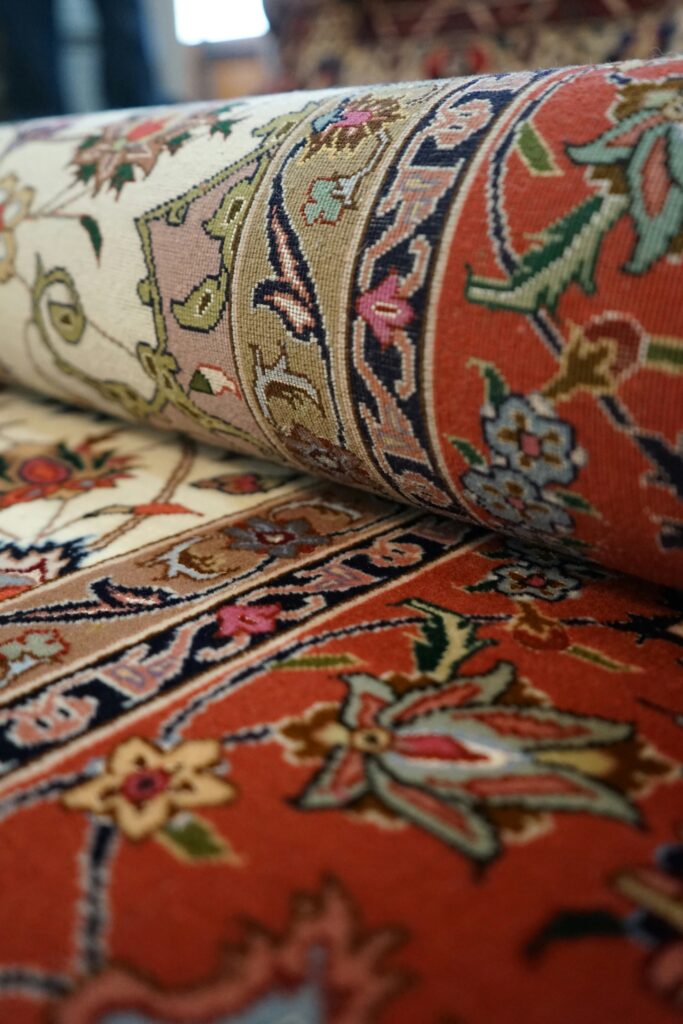
Every Carpet Is Unique And Will Behave Differently When You Start To Clean A Spill! Natural or artificial synthetic fiber carpets (such as nylon and polyester) can usually take water-based formulas with few or no issues and coffee often cleans right off these. Wool or other natural or natural-looking fibers need a little special attention since prolonged water saturation or some cleaners (alkaline, and others) can impact the wool or change the texture, too.
If your carpet is a wool, silk, or delicate type, go with the gentlest cleaning agent that you can find and test it in a hidden location on your rug first.When learning how to remove coffee stain from carpet, it’s important to remember that delicate materials require extra care. If the stain is extensive or the carpet is particularly valuable, professional cleaning is usually the safest option.
Removing Coffee Stains That Contain Milk or Cream
Removing Coffee Stains That Contain Milk or Cream becomes much easier when you also follow household carpet cleaning tips to prevent residue buildup and keep carpet fibers looking fresh.
How to remove spilled milk or cream stains from carpets Milk, cream, flavoured creamers, and sugar add protein, fat, and gooey residues, making them harder to clean up than the average spill from an all-black Americano. If dairy was involved with the spill, then first and foremost make sure you soak up as much of the spill as possible with your paper towels before cleaning using some warm water and only a couple drops of dish soap (the most important part is not to use to much so that it leaves residue on your carpet) the dish soap in the water breaks down some of the residue in the carpet fiber without being too harsh.
Ensure you wash out as much of the soap as possible using plain water. If detergent isn’t rinsed out completely, it can attract dirt and make the cleaned area appear darker over time.
Days after your drink you find you just don’t appreciate the milky odor that may have been deposited into your carpet’s pad from milk or cream
What If the Coffee Stain Has Already Dried?
The frustrating thing about coffee stains: Finding a coffee stain long after the coffee spill happened does not necessarily mean that the damage is permanent. Older stains tend to come out only after multiple passes of repeated cleaning instead of once. Use warm water to lightly wet the stain and set into the coffee that dried.
Blot.
Apply cleaning agent sparingly and Blot, then Rinse and Blot.This step may need to be repeated a few times.Do not press down with all of your strength in hopes of the stain vanishing the first time through. Over time older stains can come out.
Common Mistakes That Make Coffee Stains Worse
Many people accidentally set stains permanently while trying to clean them. Understanding what to avoid is just as important as knowing how to remove coffee stain from carpet correctly.
Scrubbing the Carpet
Don’t scrub – The process will damage the carpet fibers, in addition to pushing the spill outward through the carpet. Use light blotting.
Using Hot Water Immediately
Extreme heat will set any proteins from the milk in a milky coffee drink straight onto fibres and create a hard one to clean stain.
Overwetting the Carpet
If too much liquid is used, the water will saturate the padding underneath the carpet and it will take longer to dry and potentially start to mildew or grow mold.
Mixing Cleaning Chemicals
Never mix household cleaning products together, unless the product instructions specify that doing so is acceptable. For example, mixing household bleach and amonia will release very toxic vapors.
Skipping the Final Rinse
Residue in your carpets is essentially a magnet pulling dirt and grime right back into them. Good rinsing helps keep your clean spot from collecting grime too quickly.
When Commercial Carpet Cleaners Make Sense
Most coffee stains can be removed with household ingredients, but some situations call for a dedicated carpet stain remover.
Commercial products may be worth considering when:
- The stain has been present for several weeks.
- Previous cleaning attempts have failed.
- The coffee contained dark syrups or flavored additives.
- The carpet is installed in a high-traffic area where appearance matters.
Always read the manufacturer’s instructions carefully and test the product on a hidden section of carpet before treating the visible stain.
Using more product than recommended rarely improves results and may leave residue behind.
How to Remove Coffee Odors After the Stain Is Gone
Sometimes the visible stain disappears while a faint smell remains.
This usually happens when coffee, milk, or sugar has seeped deeper than the carpet surface.
To eliminate lingering odors:
- Ensure the carpet is completely clean.
- Allow it to dry thoroughly.
- Sprinkle baking soda over the affected area.
- Leave it overnight if possible.
- Vacuum thoroughly the following day.
If the odor persists despite repeated cleaning, moisture may still be trapped beneath the carpet, requiring professional extraction.
Special Considerations for Light-Colored Carpets
Light-Colored or Beige, White, CreamCarpets are also prone to have more noticeable coffee stains than darker colors. Cleaning principles are still consistent here, just be mindful of harsh coloring from the cleaning products that you may be using or trying homemade ones on.Avoid using too much vinegar, as a highly concentrated solution may cause slight discoloration on some carpets.Repeating cleaning softly is often more efficient than bleaching it.
How Professional Carpet Cleaners Remove Coffee Stains
Professional cleaners use methods that reach deeper than household cleaning.
Depending on the carpet type and stain severity, they may use:
- Hot water extraction
- Low-moisture cleaning systems
- Specialized stain-removal solutions
- Fiber-safe oxidizing agents
- Professional drying equipment
These techniques help pull the coffee down into your carpeting’s backing with just enough liquid for stain removal but not so much that you over-wet the carpet. When professional cleaning should be called The more valuable the carpet-a high-end, antique rug-and the greater the staining the area, the more advisable professional cleaning is.
Preventing Future Coffee Stains
Although accidents cannot always be avoided, a few habits can significantly reduce the chances of permanent stains.
Consider these preventive practices:
- Use travel mugs with secure lids in carpeted rooms.
- Keep beverages on stable surfaces instead of armrests.
- Clean spills immediately, even if they appear minor.
- Apply carpet protector after professional cleaning if appropriate.
- Vacuum regularly to remove dirt that can combine with spills and create darker stains.
Preventive care not only helps with coffee spills but also extends the overall appearance and lifespan of your carpet, especially when combined with other carpet cleaning and stain removal tips for routine home maintenance.
When a Coffee Stain May Be Permanent
Despite careful cleaning, some stains cannot be completely removed.
Permanent discoloration becomes more likely when:
- Coffee remained untreated for several weeks or months.
- Previous cleaning attempts used bleach or harsh chemicals.
- The carpet fibers have been permanently dyed by tannins.
- Mold or mildew developed beneath the carpet.
- The stain reached the carpet padding and backing.
In these cases, professional restoration may improve the appearance, but complete removal cannot always be guaranteed.
Recognizing this possibility helps set realistic expectations while still encouraging proper cleaning techniques as early as possible.
Expert Tips for Better Results
It’s common to think it’s about the potency of the cleaner, when it’s almost always the application. Professional carpet cleaners use the same advice for almost every type of spill: start blotting from the edges toward the center to avoid expanding the stain outwards. Another good habit is to grab a different section of your cloth regularly, because a sodden rag is just as likely to reapply the coffee as lift it. Once finished, let it dry until thoroughly damp to see if an additional clean is in order, as stains sometimes darken while wet and significantly brighten during drying.
Troubleshooting Stubborn Coffee Stains
If you’ve followed every recommended step and the stain remains visible, consider these possibilities:
| Problem | Possible Cause | Recommended Solution |
| Brown ring appears after drying | Cleaning residue or incomplete rinsing | Rinse with clean water and blot again |
| Sticky carpet | Sugar or soap residue | Repeat rinsing with clean water |
| Yellowish discoloration | Milk residue or aging stain | Reapply mild detergent solution and rinse |
| Recurring stain after drying | Coffee absorbed into carpet padding | Deep extraction or professional cleaning |
| Lingering odor | Moisture trapped beneath carpet | Improve drying or seek professional extraction |
This troubleshooting approach often explains why a stain seems to “come back” even after appearing clean initially.
Conclusion
Spilling coffee on the carpet is a common household accident, but it doesn’t have to result in a permanent stain. Knowing how to remove coffee stain from carpet starts with acting quickly, blotting instead of scrubbing, and using the right cleaning solution for the type of spill. Fresh coffee stains are generally the easiest to clean but dried-on stains will often need a few mild washes with a bit of care; but it just may take more care.
Other factors that will vary in cleaning approaches is if your coffee had milk and / or sugar and the size and age of the spill will dictate cleaning approaches as well. Fortunately, the majority of coffee stains can be treated successfully with most readily available household agents including simple liquid dish soap, water, white vinegar and baking soda, among others; and avoiding major pitfalls is just as crucial.
R Insignia; not rubbing the stain: soaking the stain or not fully removing all traces of your cleaning product can do much damage.
Fortunately many coffee stains can be removed at home; of course some stains, or very large stains which the entire carpet is sodden (ie down to the carpet’s backing which will involve carpet cleaning) or those which will not respond after extensive washing attempts. Using any one or all these remedies you, will be better informed and will have improved odds.
Frequently Asked Questions
1. What is the best homemade solution to remove coffee stain from carpet?
A solution of one teaspoon of mild dish soap with two cups warm water is effective on most fresh stains. For more difficult ones, a tablespoon of white vinegar can break up the natural tannins found in coffee. Test any solution on an inconspicuous spot first.
2. Can old coffee stains be removed from carpet?
Fortunately, most old coffee stains can be removed. However, this will take effort. Add some warm water to the stain and a good quality cleaner with it gently blot the stain work with the cleaners until they break down and then repeat the entire process.
3. Does baking soda remove coffee stains from carpet?
Baking soda doesn’t do the best job at removing dark coffee stainsIt excels at absorbing moisture while also helping eliminate odors. Baking soda will do the job after a fresh coffee stain has already been addressed and the carpet is damp.
4. Is vinegar safe for all carpet types?
This typically is fine for most synthetic carpets as long as you dilute the white vinegar properly. If you’re dealing with wool, silk or other natural fiber carpets, these can be a little more sensitive so definitely do a spot test first before you try cleaning the entire stain.
5. Should I use hot or cold water to clean coffee stains?
Cold to lukewarm water generally works well; it’s a safe alternative when there is cream or milk in the coffee because when you use hot water, the protein in the milk (which actually adheres to your carpet) and set into the fibers making the stain harder to erase.
6. Why does my coffee stain keep coming back after cleaning?
The stain reappearing is typically a sign that you’ve cleaned, but not deep enough-some coffee managed to get deep into the carpet’s underlayer. As the carpet dries, any remaining residue can rise back through the fibers, making deep cleaning or professional removal necessary to prevent the stain from reappearing.
7. When should I call a professional carpet cleaner?
Call in professional carpet cleaning if the stain is large, if you haven’t had the stain for a number of weeks, is on an expensive or delicate carpet or the stain is still very obviously present after several attempts with caution.