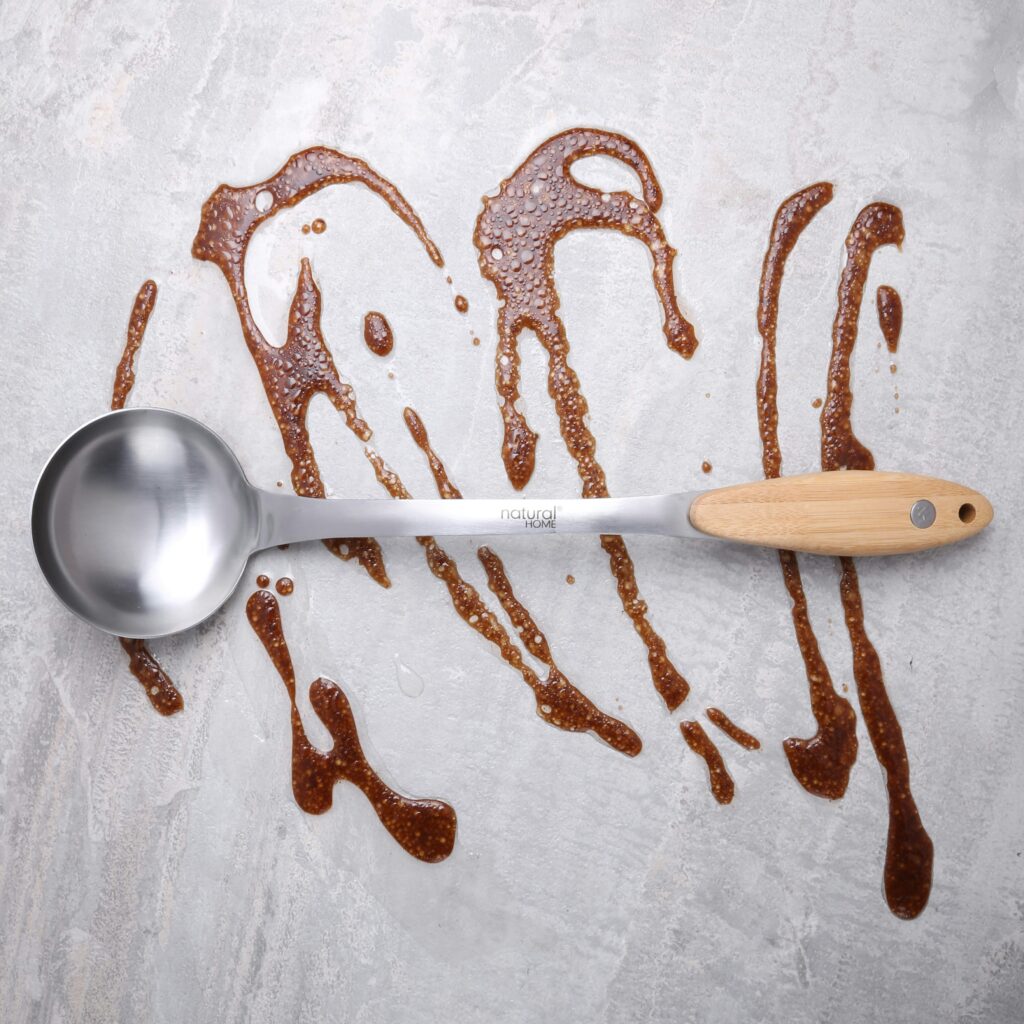
Accidentally splashing a dark, salty condiment across a favorite shirt or pair of trousers can instantly derail a pleasant meal. When you find yourself searching for how to get soy sauce out of clothes, speed and technique are your two most valuable assets. The deep brown hue of soy sauce comes from fermented soybeans, wheat, and amino acids, creating a water-soluble yet intensely pigmented liquid that easily penetrates textile weaves.
Knowledge of the chemical structure of this popular condiment will help you to get rid of the stain much faster. Soy sauce consists of organic dyes, protein, and a significant amount of sodium chloride. The high concentration of salt removes moisture from the fabric, while the dye and protein penetrate the fibers of clothing and carpets. This substance is especially difficult to remove because organic molecules adhere very tightly to natural and synthetic fibers. After soaking, such a stain turns into a permanent one due to oxidation.
Regardless of whether it is on a delicate blouse, jeans, or has been washed in the washing machine, there is a way to remove it completely. In this article, you will find information about the chemical structure of dark stains, a list of actions for different types of fabrics, and what mistakes to make not when removing soy sauce from clothes.
The Chemistry of Soy Sauce Spills on Textile Fibers
To master how to get soy sauce out of clothes without damaging the underlying material, it helps to understand how liquid pigments interact with different fabric constructions. Natural fibers like cotton, linen, and wool are highly porous and absorbent, rapidly soaking up liquids through capillary action. When soy sauce strikes these materials, the dark fluid travels deep into the core of the yarn, where the organic proteins latch onto the fiber walls.
Synthetic fabrics such as polyester, nylon, and acrylic behave somewhat differently due to their hydrophobic nature. While synthetics resist deep liquid absorption better than natural cotton, the oils and dark colorants in gourmet or thick soy sauce varieties can cling stubbornly to the smooth plastic surface of synthetic threads. If hot water is applied prematurely to either fabric class, the heat alters the structural state of the proteins in the sauce, cooking them directly into the textile matrix.
The sodium content in soy sauce also plays a subtle role in how stains settle. As the water content evaporates, dissolved salts crystallize within the weave, trapping the dark pigments against the threads. Rinsing the affected area immediately with cold water dissolves these salt crystals and flushes away unfixed surface pigments before they can form permanent chemical bonds with the fabric dyes.
Immediate Response Tactics for Fresh Spills
When an accidental drip occurs at the dining table, taking immediate, controlled action significantly improves your chances of total stain removal. Knowing how to get soy sauce out of clothes starts with gentle mitigation before the liquid dries into the material.
Your first step should always be blotting the liquid with the white paper towel or cloth. Don’t rub the stain in a circular motion, as mechanical pressure will push the dark liquid into neighboring white threads, spreading the mark’s surface area. The next step is to use the paper towel to absorb as much of the excess liquid as possible from the spot.
After you have removed the liquid, turn the garment inside out, and place it under the cold tap. Wash the spot from the back of the fabric so that the water can carry away the dark liquid from the inside of the fabric.
You must not use warm or hot water, as heat will cause proteins to clump.
Treating Stains with Household Solvents and Surfactants
If cold water flushing leaves a faint shadow behind, utilizing common household cleaning agents provides the chemical leverage needed for complete extraction. Understanding how to get soy sauce out of clothes using liquid dish soap, white vinegar, or hydrogen peroxide allows you to tailor your strategy to the specific garment at hand.
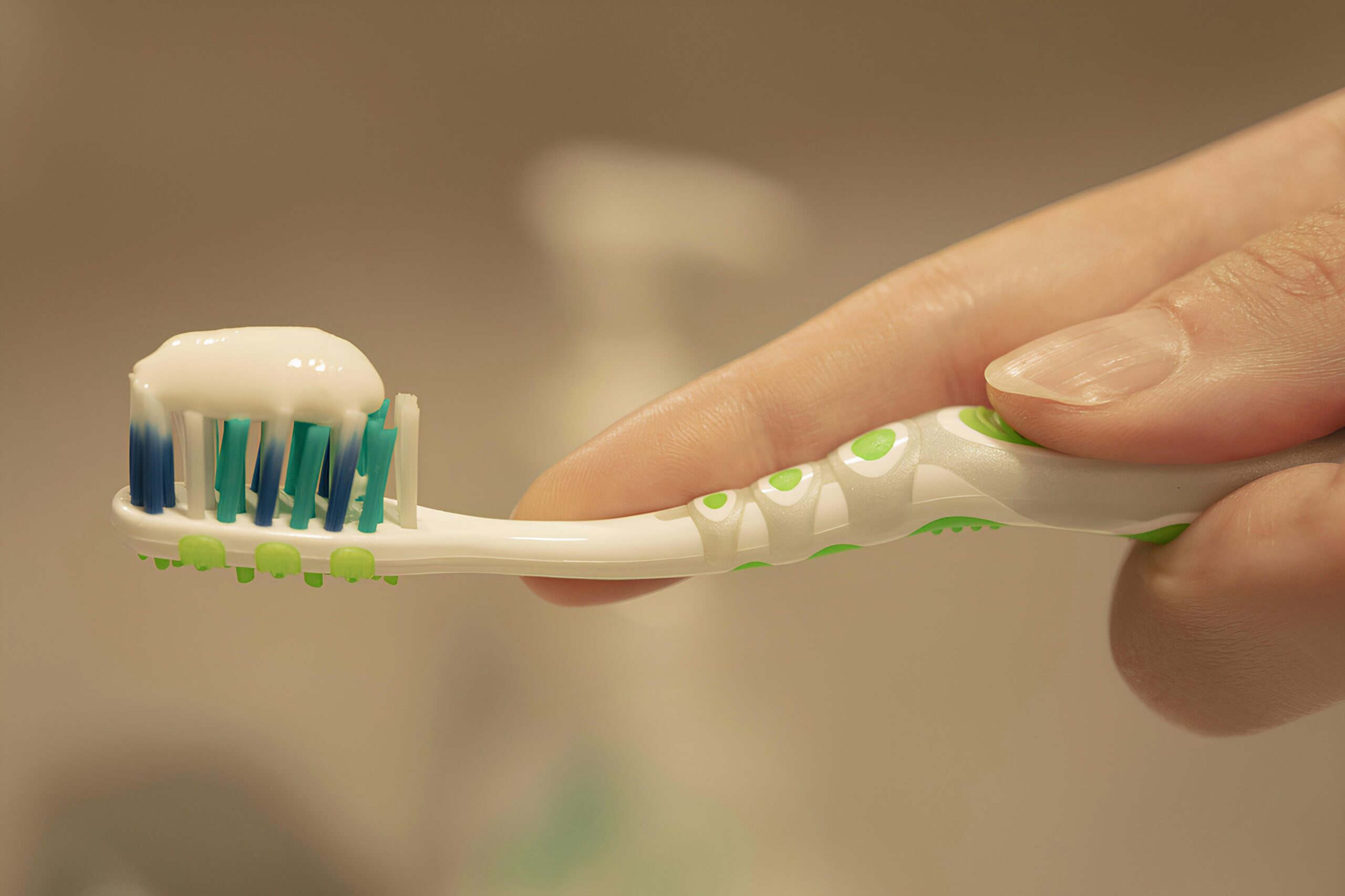
Liquid dishwashing detergent is specifically engineered to break down organic fats, proteins, and food residues, making it useful for food stain removal techniques. Apply a few drops of clear, dye-free dish soap directly to the damp spot and gently work it into the fibers using your fingertips or a soft-bristled toothbrush. Allow the detergent to sit on the material for ten to fifteen minutes, giving the surfactants adequate time to encapsulate the dark pigment particles and lift them away from the threads.
For persistent discoloration on light-colored fabrics, distilled white vinegar serves as an excellent mild acid that neutralizes organic compounds without bleaching underlying color. Mix one part white vinegar with two parts cold water and saturate the spot thoroughly. If you are working with sturdy white cottons, applying a small amount of three percent hydrogen peroxide acts as a gentle, non-chlorine oxidizing agent that breaks down remaining chromophores, restoring the fabric to its original brightness.
How to Handle Dried or Set Soy Sauce Marks
Discovering a forgotten spot that has already dried or survived a journey through the laundry basket requires a more intensive restoration strategy. Learning how to get soy sauce out of clothes when the mark is old involves rehydrating the dried proteins and breaking down oxidized pigments over an extended period.
To start with, you need to prepare an enzymatic solution for soaking the garment. Take a basin or a sink and fill it with cold water. Add a couple of tablespoons of liquid laundry detergents with enzymes or oxygen-based stain remover powder to the water. Enzymes are special proteins that break old food stains that regular washing detergents fail to remove.
Soak the garment in the solution, making sure that all the stained areas are covered. Let the clothes soak for at least one or two hours or overnight for old and severely oxidized stains. Meanwhile, you can periodically knead the garment to help enzymes penetrate the fiber of the fabric. After soaking, rinse the garment in cold water and wash it in a washing machine.
Fabric-Specific Care Guidelines for Delicate and Heavy Materials
Different textiles demand distinct handling protocols to prevent color fading, fiber distortion, or structural weakening while carrying out stain removal procedures. Understanding how to get soy sauce out of clothes safely means adapting your cleaning intensity to the specific care label instructions of each item.
Cotton and linen garments have high wet strength, allowing them to resist hard pre-treatments, enzymatic soaks, and gentle mechanical massage. You can use the indicated cleaning agents, brushes, white vinegar, dish soap, and oxygen bleach for sturdy cotton. But before using any of the liquid treatments, it is necessary to ensure that the garment’s dyes are not damaged and do not bleed by testing it on an inconspicuous interior seam.
Delicates such as mulberry silk, wool, and cashmere require special care, particularly when following delicate fabric stain removal methods. Harsh enzymatic detergents, hydrogen peroxide, and aggressive scrubbing should be avoided to clean delicate goods. Enzymes destroy the proteins from which animal hair, such as silk, wool, and cashmere, is made. Delicate items are best rinsed in cold water and washed with a pH-neutral wool shampoo or baby shampoo. Moreover, it is better to rely on the professionals in dry cleaning shops to get rid of the persistent smell.
Comparing Stain Removal Agents across Performance Factors
Selecting the right cleaning agent when figuring out how to get soy sauce out of clothes depends on fabric compatibility, safety, and stain age.
Liquid Dish Detergent offers high effectiveness on fresh spills across cotton, synthetic, and denim fabrics. It is exceptionally safe for most materials, highly accessible in home kitchens, and works by lifting surface oils and organic pigments smoothly.
Distilled White Vinegar is good for removing faint shadows and salt deposits from light cottons and synthetics. It is safe for color-fast laundry and provides mild acidic breakdown without harming synthetic blends.
Enzyme-Based Laundry Detergent is ideal for older, set, or dried stains on heavy washable fabrics. It targets the deep fibers to break down proteins, but it should be avoided on natural animal fibers.
Three Percent Hydrogen Peroxide is suitable for treating dark spots on white laundry or any color-fast garments. It is an oxidizing agent that breaks the molecules of color, so it should be tested on a small spot before using on any colored laundry.
Commercial Oxygen Bleach Soaks are great for heavily soiled washables. They are mild for colored cottons and synthetics if soaked in warm water for a few hours.
Critical Errors That Can Permanently Lock In Stains
When attempting to figure out how to get soy sauce out of clothes quickly, panicked decisions often lead to simple mistakes that turn a manageable spill into permanent damage. Avoiding these common traps protects your wardrobe investment over the long term.
The single worst mistake is putting a treated garment in a hot clothes dryer before checking to see if the spot is gone, a useful reminder when following clothes stain removal tips. The heat will bake any organic pigment that remains on the fibers into the very heart of the yarn, where it can be permanently locked in by subsequent washing. Always check the freshly laundered garment to make sure that no trace of the spot remains after it has dried completely.
Another mistake is using bar soap or hot water when rinsing out spots. The alkali in common tallow or fatty acids in bar soaps actually helps set dark plant pigments in natural fibers. Use only cold water rinses with liquid synthetic detergents for spot-cleaning accidents.
Additionally, avoid applying chlorine bleach directly to dark food marks on colored or delicate synthetic garments. Chlorine bleach weakens synthetic threads, causes yellowing on white polyester fabrics, and strips background dyes indiscriminately, leaving an unsightly white ring that looks far worse than the original spill.
Step-by-Step Restoration Protocol for Home Laundering
Following a structured, methodical workflow ensures consistent success whenever you need to know how to get soy sauce out of clothes under real-world conditions.
First, blot excess surface moisture immediately using a clean paper towel without rubbing the surrounding fabric.
Second, invert the garment and flush the reverse side of the material thoroughly under cold running water to push pigments outward.
Third, apply a small amount of liquid dish detergent or dedicated laundry pre-treater directly to the damp spot, massaging it gently into the weave using your fingertips.
Fourth, allow the cleaning solution to rest on the material for fifteen minutes to break down organic proteins and dark color compounds.
Fifth, for old or stubborn marks, submerge the item in a cool water bath containing oxygen bleach or enzymatic laundry detergent for several hours.
Sixth, wash the garment in a standard washing machine using the coolest water setting recommended on the fabric care label along with your regular heavy-duty detergent.
Seventh, inspect the garment thoroughly while it is still damp, repeating the pre-treatment process if any trace of color remains before letting the item air dry away from direct heat.
Frequently Asked Questions
1. Does hot water help remove soy sauce stains from fabric?
No, hot water should be avoided during the initial cleaning stages. High temperatures cook the organic proteins present in the sauce, binding them permanently to the textile fibers. Always use cool or cold water for flushing and soaking.
2. Can I use baking soda to get a dark soy sauce mark out of my shirt?
Baking soda can help absorb fresh surface liquid when sprinkled over a wet spill. However, a paste made of baking soda and water provides only mild abrasive action and is generally less effective than liquid dish soap or enzymatic detergents at breaking down dark pigments.
3. How do I get soy sauce out of clothes that have already been dried in a dryer?
Removing set marks requires an extended enzymatic soak. Submerge the garment in a basin of cool water mixed with an enzyme-based liquid detergent or oxygen bleach powder for six to twelve hours before rewashing the item in cold water.
4. Is hydrogen peroxide safe for colored clothing stained with soy sauce?
Hydrogen peroxide has mild bleaching properties and can lift background dyes on bright or dark clothing. It should only be used on white fabrics or items that have been thoroughly spot-tested on an unseen inner seam.
5. What should I do if soy sauce spills on dry-clean-only garments like silk or wool?
Blot the fresh spill gently with a dry paper towel to remove excess liquid without rubbing. Do not apply water, soaps, or household chemicals to delicate dry-clean-only items; take the garment to a professional dry cleaner as soon as possible and point out the exact location of the spill.