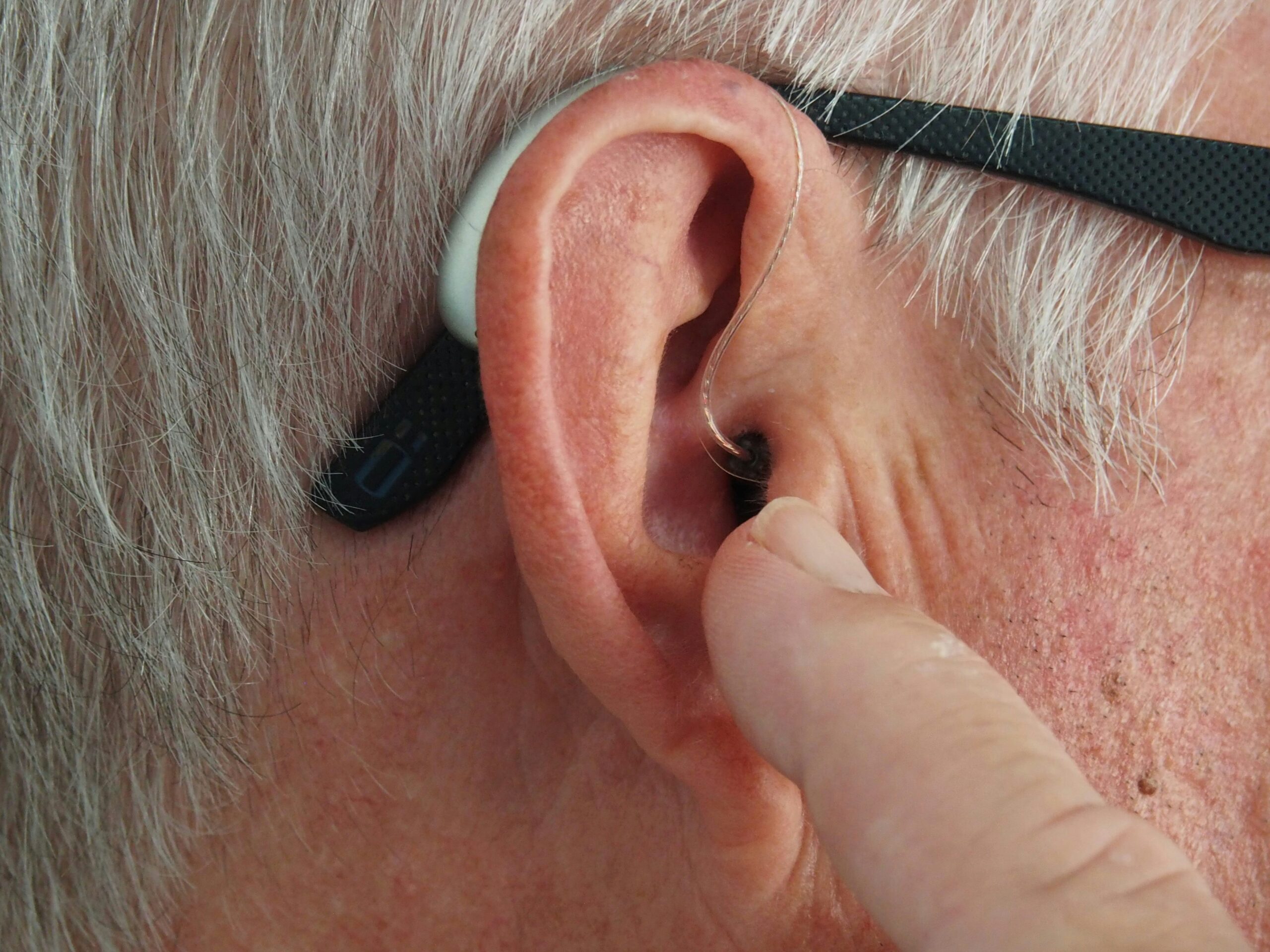
Finding an insect in your ear can be surprisingly frightening, especially when you can hear movement, feel scratching, or notice sudden ear pain. Knowing how to get a bug out of your ear starts with one important principle: do not try to dig it out blindly. The ear canal is narrow and delicate, and inserting a cotton swab, fingernail, matchstick, or other object can push the insect farther inside or injure the ear canal and eardrum, much like the risks involved when learning how to safely clean your ears.
When learning how to get a bug out of your ear, the safest approach for a live insect depends on whether you can clearly see it, whether the eardrum may be damaged, and whether you have symptoms such as bleeding, severe pain, dizziness, drainage, or hearing loss. You’ll also find evidence to back up these techniques for how to remove insects from the ear.
But see how to get your own help if you have any trouble removing the bug, especially if there might be a risk of damage to the ear. The step-by-step instructions you will learn include: How to get bugs out from the ear Step-by-step Home cures for insect bites in the ear which are well-known but should be kept at a distance from ear and what an E.N.T. Specialist to see.
First, Understand Where the Bug Is
Where on the ear a bug typically gets snagged is in the external auditory canal, the channel connecting the outside of the ear to the eardrum. It’s neither straight, nor wide open, but rather bent with a constricting point that can impede the safe and easy removal of a foreign object. That anatomy is the reason that probing blindly with an object can backfire.
Whatever appears helpful at first might only push the intruder further in, scratch the lining of the canal, or puncture the tympanic membrane, also know as eardrum.
Also, that creepy-crawly feeling may simply persist because the canal has been irritated even after the bug has departed, died or simply become motionless.
How to Get a Bug Out of Your Ear Safely
1. Stay still and avoid putting anything into the ear
The first step is simple: stop inserting objects into the ear.
Don’t use cotton buds, hair grips, inserted blindly (with tweezers, for example), a matchstick, a pencil, etc. An instrument could push the object further and cut, cause a bleed, an infection or even damage your eardrum. Mayo Clinic advises specifically that you “don’t dig or prod at the foreign object in your ear,” reinforcing the importance of safe ear foreign object removal.
If someone is helping you, ask them to use an artificial light to see the very end of the ear canal only. Don’t try to examine or retrieve deep objects using instruments. This is more important with a child, as he or she may unexpectedly wriggle while the item is being removed.
2. Tilt the affected ear upward
If you think there’s a live insect in the ear … Position your head: Lean over to that the affected ear faces up. This method helps ensure the solution that’s used to get the bug out of the ear does not instantly pour out from your ear. The affected ear should facing up when you put a suitable liquid in the ear canal to get rid of the bug, Mayo Clinic stated.
Don’t shake your head vigorously.
You may get annoyed and injured while attempting to remove the bug in the ear canal.
3. Consider warm mineral, olive, or baby oil—but only when appropriate
When learning how to get a bug out of your ear, a suspected insect may sometimes be addressed with mineral oil, olive oil, or baby oil when there is no suspected eardrum perforation or ear tube. The oils Mayo Clinic suggest include any of these listed oils, they want the oil to be warm not hot to essentially stun the insect and cause it to float towards the ear canal. This is a vital difference too; oil may work if the object is a bug, but it is certainly not going to work if anything else gets lodged in the ear.
When learning how to get a bug out of your ear, do not put oil into the ear if you suspect a perforated eardrum or if ear tubes are present. Symptoms such as bleeding, significant pain, drainage, dizziness, or substantial hearing loss can indicate that the ear needs medical evaluation rather than home treatment.
Also, never pour hot liquid into the ear. A liquid intended to help should not create a burn injury.
4. Give the insect time to become still
If the bug has been moving, then immobilizing it might simplify things. A live insect can also scratch the ear canal and may lead to unpleasant feelings. To immobilize or kill the bug-some doctors drop a bit of mineral oil or apply a topical anesthetic-before extracting it.
According to MSD Manual, “this may greatly assist in removal and may also be comforting for the patient.”
You should only remove the bug once and do not poke around at it, as that may make it more difficult to extract.
5. Let gravity assist removal
After an appropriate liquid has been used, tilt the affected ear downward and allow the contents to drain naturally.
Do not aggressively shake the head or repeatedly pour additional liquid into the ear if nothing comes out.
When learning how to get a bug out of your ear, if the insect is at the outer opening and is clearly visible, it may sometimes be possible to remove it gently with suitable tweezers. However, this should only be considered when the insect or part of it is easy to see and grasp. Mayo Clinic recommends tweezers only when the foreign object is easy to see and grasp.
If you cannot clearly see the insect, stop trying to retrieve it yourself.
6. Check whether the symptoms actually improve
Most successful removals should result in the cessation of perceived motion. Some irritation may remain after removal.
Note any audible sounds or irritation. If the perceived sensation of something remaining in the ear persists, accompanied by any ear pain, drainage, or hearing loss, the condition should be evaluated by a health care professional, including assessment of post-removal symptoms after an otic foreign body is removed (Mayo Clinic guidelines recommend). The healthcare provider can inspect the canal to determine if part or all of an insect body is present.
7. Seek professional removal when the insect will not come out
Don’t waste your time struggling with a tricky extraction. Doctors are equipped with magnification tools, lighting, suction devices, forceps and other instruments specifically made for ear foreign body extraction. The process itself varies depending on size, shape, location and the nature of the foreign material. If you’ve made numerous attempts, at-home efforts may only result in swelling and the pushing of the object deeper into the canal.MSD Manual advises that early referral to a specialist should be considered in any case in which attempts have already failed, the foreign body is deep or impacted, or if the foreign body is associated with trauma to the external auditory canal.
Why You Should Not Dig for a Bug With a Cotton Swab
Cotton SwabsCotton swabs are a tool almost universally used if there’s a sensation that something is in your ear. Unfortunately, in that circumstance, using one would be counterproductive. The skin of the ear canal is sensitive and a cotton swab can scratch it, causing inflammation and bleeding.
What’s more, it could push the insect closer to your eardrum, making the task of removing it exponentially harder.
The same applies to hairpins, paper clips, unsighted use of tweezers, keys, matchsticks and other ” improvised” tools. The rule of thumb is this: do not insert an object into the ear canal looking for something if you cannot see what you’re searching for.
Can You Flush a Bug Out of Your Ear With Water?
Water irrigation is sometimes recommended by doctors for specific items some of which can be a little bug. But it is by no means a one-size-fits-all technique for treating things in the ear. Water should not be used for objects such as batteries as well as certain organic things that can swell in the water, or if you have been diagnosed with or are suspected of having had an ear-drum hole. Because of this you simply can’t stick anything other than water in your ear during the shower if you have got suffered with a hole within the the eardrum, or have had ear tubes inserted, just recently undergone an operation in your ear.
What About Alcohol?
Alcohol is also sometimes suggested as a way to suffocate an insect in the ear. The medical literature does mention alcohol as a way to treat, in select situations, if the eardrum is certain to be intact. This does not mean the use of alcohol is appropriate for every ear that hurts.
Liquid treatment should not be tried at home in any suspected case of perforated eardrum, any case with drainage, bleeding, severe hearing loss, ear tubes. In regard to home first aid, a more important concept is limitation than alcohol guaranteed effective.
Signs You May Need Medical Attention
Some cases are better handled by a healthcare professional from the beginning.
Seek prompt medical care if you experience warning signs that may indicate ear injury symptoms requiring medical attention:
- bleeding from the ear
- severe or worsening ear pain
- significant hearing loss
- persistent dizziness or balance problems
- fluid or pus draining from the ear
- suspected eardrum perforation
- an insect that cannot be removed safely
- an object lodged deep in the ear
- persistent sensation that something remains inside
Mayo Clinic identifies bleeding, severe pain, drainage, infection symptoms, and persistent hearing problems as reasons to seek medical attention for a foreign object in the ear.
Cleveland Clinic also notes that ear trauma can produce symptoms such as dizziness, hearing loss, bleeding, ear pain, and tinnitus.
When a Bug in the Ear Is an Emergency
Though most harmless outer-ear insects are not a life-threatening emergency, most concerns focus on avoiding injury to the ear canal or the drum itself. ButSome other items in the ear definitely warrant medical intervention. For a child or adult, getting a button battery or a small magnet out should take precedence.
If the foreign object is not definitely an insect and not something your child will tell you about when asked, then do not proceed under the assumption it’s an insect.
Severe pain, hearing loss or significant hearing reduction, major dizziness or bleeding, or anything that cannot be identified should all see medical care rather than continue as a do-it-yourself project.
What a Doctor Does Differently
The advantage to removal at a clinic or in a professional setting, like an Emergency Department, is direct visualization in which the physician is able to see how the object is located in the ear canal. Clinicians are able to use any of many varied instruments including an eyedropper for irrigation (when appropriate), suctions, forceps, an eyedropper or similar object in order to hook out the foreign object, etc. The method will greatly depend on the object’s position, shape and material as well as the eardrum’s relation to the object.
For insects, it is often easiest and best if the physician applies an insect killer or immobilizer solution, then removes the object under direct visualization.
If the insect was buggified or somehow did not remove in whole, further visualization is necessary. This will show why it is much more advantageous to have an object removed by a professional (especially deep inside the ear) to know you are just removing it without causing further harm.
Common Mistakes People Make
Repeatedly probing the ear
The more you manipulate the canal, the greater the possibility of swelling or a scratch. Multiple unsuccessful attempts can make subsequent professional removal harder.
Using hot oil
Oil, when appropriate, should be warm—not hot. The treatment should never create a thermal injury.
Pouring liquid into an ear with a possible perforation
This is one of the most important precautions. If there is a suspected hole in the eardrum or an ear tube, liquid should not be used without appropriate medical guidance.
Assuming the bug is still there
After an insect has left, the ear canal can remain irritated. Persistent sensations do not necessarily mean a live insect is still moving around.
If symptoms continue, however, an examination is the safest way to determine whether a fragment remains or the canal has been injured.
Continuing after bleeding starts
Bleeding may indicate that the ear canal has been injured. MSD Manual advises stopping further manipulation and seeking appropriate evaluation when bleeding occurs during foreign-body removal.
Special Considerations for Children
Young children present a greater danger as they are likely to frighten and dart about when you try to remove whatever is in the ear. Young children have tiny ear canals and thus blind probing can be really dangerous. When you can’t ease the insect out with relative ease, or when the child will be unable to hold quite still as you try, it’s often easier to go to a doctor.
A mother certainly can’t restrain her child while repeatedly probing into his ear in an attempt to extract the insect or thing.
He is just too apt to be quick! A young child who appears to be experiencing severe pain, bleeding, change in hearing or if you don’t know exactly what object you see and it won’t come out, you may best leave it to a professional.
What to Do After the Bug Is Removed
After the bug comes out. Once the insect has come out of the ear, do not go overboard cleaning into the canal. The ear canal should not be scrubbed, unless it is medically recommended and the removal was difficult.
Your doctor will recommend a follow-up visit or a trip to the emergency room if there is continuing pain, drainage, ringing in the ears, hearing loss or a feeling like something is still in the canal, because this could mean a scratch to the canal or that a piece of the insect remained.
The only exception for adding materials to the ear after removal (in this case) is to follow the instructions the doctor provides if the ear sustained an injury during the removal process.
The Safest Way to Think About Ear Insects
The trick isn’t to perform the most vigorous form of treatment possible. The goal is to apply the simplest and least traumatizing intervention that will safely rid the patient of the insect. If an insect is firmly suspected in an otherwise uninjured ear, carefully positioning the patient with their ear tilted upward and applying a gentle stream of warm oil might be enough to dislodge and paralyze the offender.
If the bug can be seen emerging from the canal, a pair of forceps might coax it out.
If the insect is far up the canal, or can be seen wriggling and causing undue distress to the host, seeking prompt medical attention would be the preferred course of action. The distinction is crucial, however: Repeated prodding of the ear canal will not withstand prolonged harassment-a treatment for getting an insect out of an ear that does permanent damage to the eardrum can not, under any circumstances, be considered appropriate first-aid treatment for an entomological emergency.
Conclusion
Learning how to get a bug out of your ear is mainly about staying calm, avoiding blind probing, and knowing when home first aid has reached its limits. If an insect is suspected: Tilt the involved ear up and apply warm olive oil if there’s no suspected eardrum perforation or ear tube. Warm oil may not harm or may Immobilize the insect and cause it to float to the surface. Never insert the cotton-tipped applicator, matchstick, bobby pin, or finger into the ear, and don’t repeat attempts if the insect is deep or you can’t see or reach it .
If there’s bleeding, severe pain, drainage from the ear, lightheadedness or loss of balance, marked hearing loss, or if you just feel like something is still in there, see the doctor for evaluation.
“The best approach is to prevent insects from getting into the ears, try to remove them if safe, and leave complex or deep objects to professionals,”.”
Frequently Asked Questions
1. Can a bug crawl all the way through the ear into the brain?
No. The external ear canal ends at the eardrum, which separates it from the middle ear. An ordinary insect in the ear canal does not simply crawl through the ear into the brain. However, an insect can cause significant irritation or injury, particularly if someone tries to remove it with an object.
2. What should I do if I can hear a bug moving but cannot see it?
Do not insert a cotton swab or another object to locate it. If there is no reason to suspect a perforated eardrum or ear tube, an appropriate warm oil may immobilize the insect. If the sensation continues or the insect cannot be removed, have the ear examined by a healthcare professional.
3. Can I use olive oil to get an insect out of my ear?
Mayo Clinic lists warm olive oil as one possible option for an insect in the ear. It should not be hot, and it should not be used when a perforated eardrum or ear tubes are suspected.
4. Should I use hydrogen peroxide for a bug in my ear?
Hydrogen peroxide should not be treated as a general-purpose insect-removal solution. The important question is whether the eardrum is intact and whether liquid treatment is appropriate. If you have ear pain, bleeding, drainage, tubes, previous ear surgery, or suspected eardrum damage, seek medical advice rather than experimenting with liquids.
5. What if part of the bug comes out but I think something is still inside?
Do not keep digging for the remaining piece. An insect can fragment during removal, and a healthcare professional can examine the canal to determine whether material remains. Persistent pain, hearing changes, drainage, or a continuing foreign-body sensation are reasons to seek evaluation.
6. How do I know whether the ear has been damaged?
Warning signs include bleeding, significant or worsening pain, hearing loss, dizziness, ringing, or drainage. These symptoms can occur with ear trauma and warrant medical assessment rather than additional attempts at home removal.
7. Can I sleep with a bug in my ear?
If you genuinely believe a live insect remains in the ear, it is better to address the situation rather than repeatedly manipulating the ear or ignoring significant symptoms. If you cannot safely remove it, particularly when there is pain or hearing disturbance, professional assessment is appropriate.