Every vehicle owner aspires to have a good car, which requires minimum repair costs and provides maximum comfort and safety while driving. However, numerous expensive mechanical failures and roadside assistance calls start with relatively simple issues, which could have been detected and resolved during a vehicle inspection. Regardless of whether you drive a personal car, a commercial truck, an SUV, or a fleet, a vehicle inspection checklist helps you spot potential concerns in time.
A vehicle inspection is not only about whether your car engine will start after the inspection. It involves much more than what appears at first glance. Vehicle inspection covers checking the vehicle’s safety features, fluid levels, tires, brakes, suspension, and other systems and components. Moreover, regular vehicle inspections help you get a better price when re-selling your vehicle, improve the vehicle’s fuel economy, and reduce the chances of unexpected malfunctions.
This article will discuss everything related to vehicle inspections, including the importance of a car inspection checklist, what needs to be inspected, mistakes to avoid, and helpful suggestions based on experience.
Why You Should Care
Many vehicle owners assume that a vehicle inspection is a once-a-year or twice-a-year type of service. However, mechanical issues in vehicles develop gradually and remain undiscovered for a long time. This is why understanding the car inspection checklist is important because a vehicle inspection:
Helps you stay safe on the road
Helps you detect mechanical issues before they become expensive problems
Helps you reduce repair costs
Helps you prolong the vehicle’s lifespan
Improves the vehicle’s fuel economy
Helps you prepare for the annual vehicle inspection
Helps you maintain the warranty conditions
Helps you get a better price when re-selling the vehicle
Learning practical fuel-efficient driving tips can further reduce fuel consumption while minimizing wear on your vehicle’s major components.
Regardless of whether you drive your vehicle every day or rarely, a vehicle inspection provides you with vital information about your vehicle’s condition.
Topic Overview & Main Points
A vehicle inspection checklist is a set of procedures and tests performed to evaluate the technical condition of a vehicle. Typically, a vehicle inspection consists of a number of different types of vehicle inspections, including:
Daily Vehicle Inspection
Preventive Maintenance Inspection
Pre-Purchase Inspection
Roadworthy Inspection
Seasonal Inspection
A daily vehicle inspection is usually conducted before operating the vehicle. It is aimed at detecting obvious concerns, such as malfunctions of vehicle lights, tires, and other components. Preventive maintenance inspection is conducted during scheduled maintenance to detect potential issues before they develop. A pre-purchase inspection is performed before buying a vehicle to detect existing problems. A roadworthy inspection is usually required before registering or re-registering ownership of a vehicle. A seasonal inspection is conducted before the winter or summer season. Each type of vehicle inspection serves a specific purpose and helps you keep your vehicle in good condition.
The following sections will provide you with a detailed understanding of what needs to be inspected during a vehicle inspection.
Exterior Inspection
The vehicle’s exterior is a vital element, as the overall condition of the vehicle is determined by the state of its body. Make sure to check the following exterior-related issues:
Body damage
Rust
Cracked windshield
Damaged windows
Loose bumpers
Painted surfaces condition
Water leaks
Proper mirror alignment
While minor cosmetic damages, such as dents, can be easily repaired, rust may develop on critical spots and become a serious problem.
Tire Inspection
Tires are among the most critical elements of a vehicle, as they ensure adequate wheel grip on the road, affect vehicle handling, and determine the vehicle’s braking distance. A tire inspection typically involves the following:
Tire pressure
Tread depth
Tire condition
Tire pressure ensures proper tire performance, including driving comfort, vehicle handling, and braking. Improper tire pressure causes faster tire wear, reduces the vehicle’s fuel economy, and increases the braking distance. Make sure to check the tire pressure at least once a month in accordance with the manufacturer’s recommendations. Using the correct recommended tire pressure guide helps improve fuel efficiency, extend tire life, and maintain safe vehicle handling. Tread depth determines the tire’s ability to maintain sufficient grip on the road, especially on wet surfaces.
Measure the depth with a special tool, a coin, or by visiting a professional mechanic. Make sure the depth is not lower than the minimum allowed depth indicated by the manufacturer. The condition of tires is also vital. Check the tires for cracks, bumps, foreign objects, and uneven wear. Uneven tire wear suggests that something is wrong with the vehicle’s wheel alignment or suspension.
Brake Inspection
The vehicle’s brake system is one of the most critical systems in the vehicle, as it ensures driver and passenger safety. A brake inspection typically includes the following:
Brake pads
Rotors
Brake fluid
Brake lines
Parking brake
Brake pedal
The condition of the brake pads, rotors, and other components should be checked by a professional mechanic. If you hear unusual noises while braking, such as grinding or squealing, or your vehicle pulls to one side while braking, you should not drive your vehicle until the brake system is inspected by a professional mechanic. A malfunctioning brake system is dangerous, as it increases the vehicle’s stopping distance.
Engine Inspection
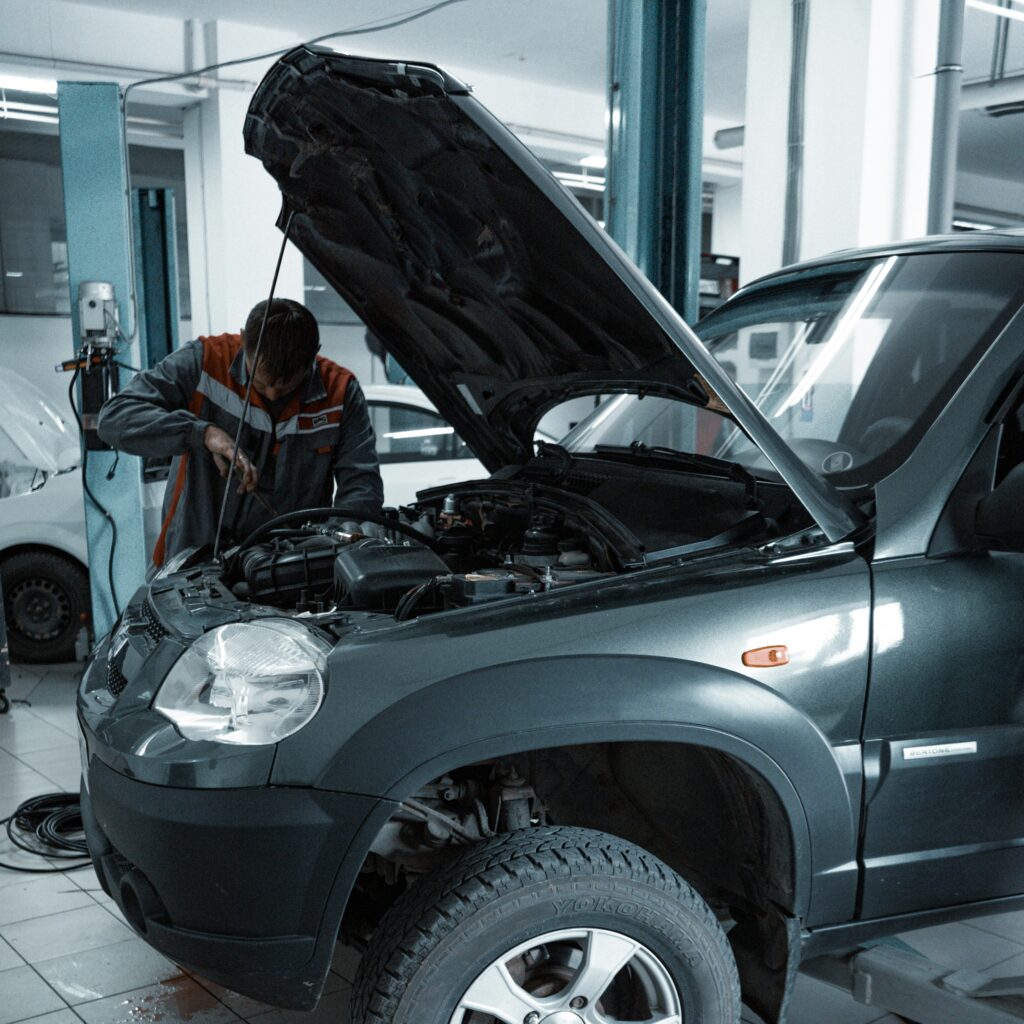
The vehicle’s engine is the heart of the vehicle, and it should be handled with particular care. Make sure to inspect the following:
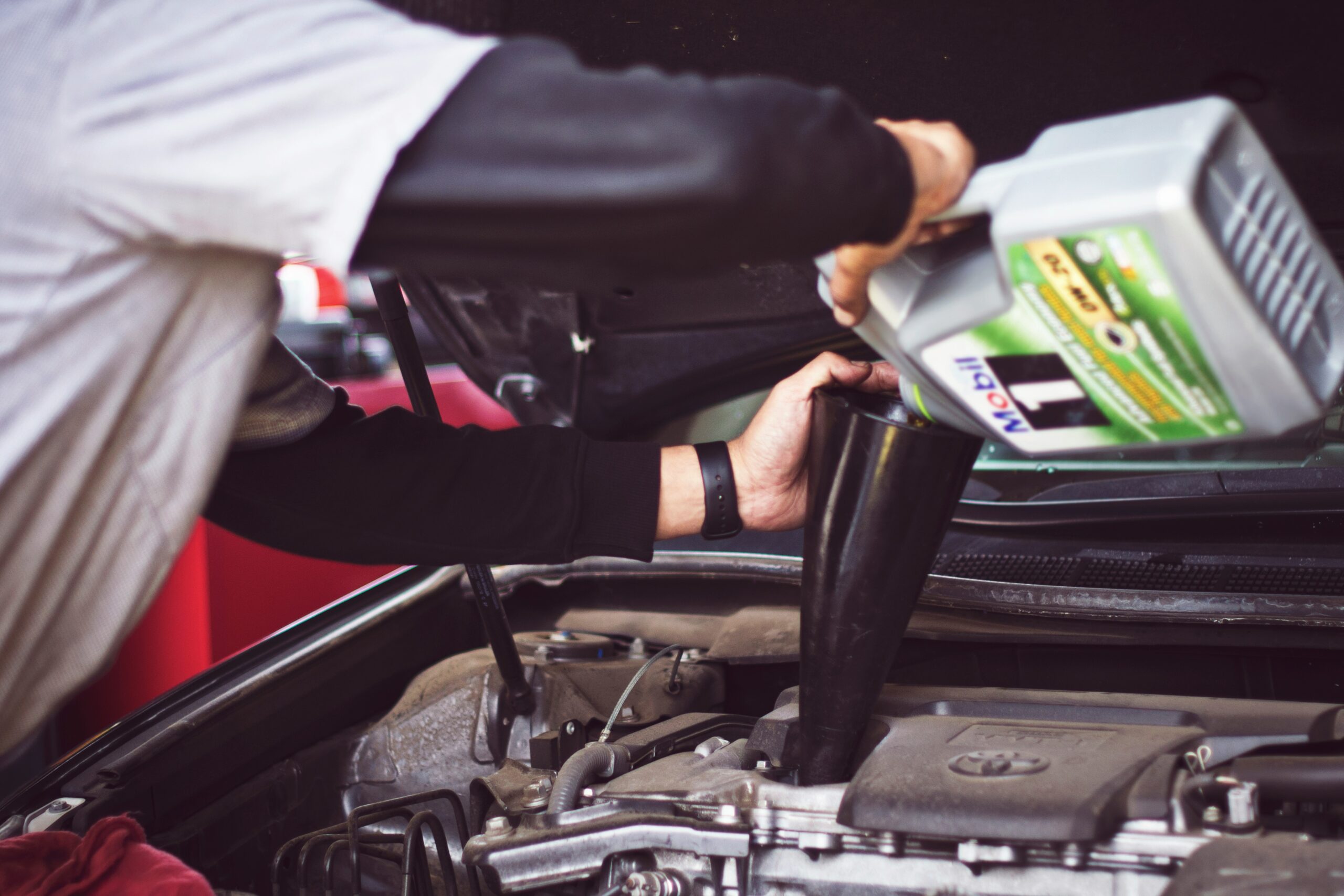
Oil level and condition
Coolant
Belts and hoses
Air filter
Battery terminals
Fluid leaks
A vehicle with a healthy engine should have no oil leaks. If the engine is covered with oil, there is a problem with the engine’s gasket or seals.
Fluid Level Inspection
Modern vehicles require a variety of fluids to operate properly. Make sure the following fluid levels are sufficient:
Engine oil
Transmission fluid
Brake fluid
Power steering fluid
Coolant
Windshield washer fluid
Differential fluid (if applicable)
Low levels of fluids indicate potential concerns. Moreover, fluid leaks should also be addressed.
Battery Inspection
The vehicle’s battery is a critical component, as it provides electricity to start the engine and operate the vehicle’s electrical systems. Make sure to inspect the following:
Corrosion
Loose cables
Battery’s condition and age
Voltage
Secure battery mounting
A vehicle battery typically lasts for three to five years, depending on the climate and driving conditions.
Light Inspection
Proper functioning of the vehicle’s lights is essential for safety. Make sure to inspect the following:
Headlights
High beams
Tail lights
Brake lights
Reverse lights
Turn signals
Fog lights
License plate lights
Burned-out bulbs are a common issue, as they are relatively cheap and easy to replace. However, you should not neglect them, as they make your vehicle unsafe and illegal on the road.
Steering Wheel and Suspension Inspection
The vehicle’s steering wheel is directly related to the vehicle’s safety. Make sure that the steering wheel is operating properly. The sections below are equally important and should be added.
Ball joints
Tie rods
Shock absorbers
Struts
Springs
Bushings
The improper functioning of the suspension system results in poor vehicle handling, poor wheel alignment, and uneven tire wear. Moreover, a faulty suspension system produces unusual noises, particularly when driving on rough roads.
Windshield Wipers and Visibility
Proper vehicle visibility is essential for safety, particularly during bad weather conditions. Make sure to inspect the following:
Wiper blades
Washer nozzles
Washer fluid
Windshield cracks and chips
Wiper blades should be replaced every six months or one year, depending on the weather conditions in your area.
Interior Inspection
The interior inspection is relatively straightforward, and you only need to ensure that the following systems and components are operating properly:
Seat belts
Airbag warning light
Horn
Climate control system
Rearview mirrors
Dashboard warning lights
Emergency brake
The dashboard warning lights should not be ignored, even if the vehicle appears to be operating normally.
Underbody Inspection
Many vital components are located underneath the vehicle, and it is essential to inspect them to ensure the proper functioning of the vehicle. Make sure to check the following:
Exhaust system
Fuel system
Brake system
Suspension system
Oil leaks
Rust
Frame damage
Vehicle owners in areas with severe winter climates may notice rust spots on their vehicle’s underbody, particularly if road salt is used on the roads.
Exhaust System Inspection
A damaged exhaust system affects performance and emissions.
Check for:
rust holes
loose brackets
heavy smoke
unusual noises
Smoke from the tailpipe that is black, blue, or white can signal trouble.
Vehicle Documentation
One of the most overlooked parts of an inspection is papers.
Keep the following documents up to date:
registration
insurance
servicing records
owner’s manual
inspection reports
Having all the necessary paperwork can make it easier to sell the vehicle and keep track of services.
Real-World Case Study or Scenario
David commutes 40 miles round trip every day. He drives a five year old sedan that he only takes to the shop for an oil change. David was going out of town with his family and he had the car inspected by a reputable mechanic that he took it to for a recommended maintenance. The shop found the following:
his front brake pads were shot,
the coolant was low,
one tire had a bad inner edge,
the batteries were low,
and there was some oil seepage from the valve cover gasket. It ended up costing him about $850 to get all these things done. He was a bit dismayed at the costs but he found that the worn out brake pad would have ruined his rotors costing him another few hundred dollars. The bad battery would have died on the road and the bad tire would have been a real safety concern at high speeds.
His inspection saved him a lot of money, headache, and potential danger. The inspection was a great idea that ended up saving money in the long run, helped the car perform better, and made sure his family was safe.
Lessons Learned from the Case Study
David learned some important lessons from what happened.
That doing a regular inspection you can see what things are wearing out before it causes you problems.
Also that it usually ends up costing a lot less to do smaller maintenance rather than big expensive jobs
That you need to keep up with the important car safety features like your brakes and tires rather than wait until they are gone
Another thing he learned was that keeping your records helped his car maintain its value for a few more years.
Most importantly he learned that doing some preventive maintenance goes a lot further in keeping his car from dying and giving him headaches on the road.
Common Challenges and Solutions
Skipped Routine Inspections
Some people skip the routine inspection because the car is fine.
Have car inspected routinely at a set interval rather than waiting for a problem to arise.
Ignored Warning Lights
Some people tend to ignore the warning lights and wait till the car dies.
Have a scan done to see what the lights are indicating and get it repaired.
Low Repair Costs
Sometimes cheap repair shops use sub par parts
Use quality parts when repairs are being made.
Lack Of Vehicle History
No records can make diagnosing problems much more difficult.
Keep digital or written records of all maintenance and diagnoses done on the car.
Seasonal Vehicle Inspection
The weather can put a strain on a car that isn’t used to it
Do seasonal car inspection before extreme weather sets in and before you go on any road trips.
Expert Recommendations
Most mechanics suggest building an inspection habit rather than waiting for the recommended maintenance. The following are some of the things experienced mechanics recommend. Check your tires every month especially before a long road trip, check your engine oil monthly or before a long trip. Pay attention to any unusual noises; most of the time they are an indicator that something is wrong. Fix worn parts before they completely fail because it usually costs a lot less for a small repair than an expensive one. Pay attention to other signs that something may be wrong.
Things such as shaking, swaying, any fluid leak, burning smell, and poor engine performance can indicate a problem. Also if you are planning on buying a car, be sure to do a pre purchase car inspection to prevent getting car that has had an accident or has some other issues. For a complete maintenance routine after purchase, use our car maintenance checklist to stay on top of regular servicing and prevent costly repairs.
Commercial vehicle operators and fleet managers should adopt a standardized daily vehicle inspection checklist to improve safety, reduce downtime, and comply with operational requirements.
Frequently Asked Questions
How often should I do a car inspection?
A general car inspection should be done every month and before a long travel. A comprehensive vehicle inspection should be done at every recommended maintenance interval.
What is included in a standard vehicle inspection checklist?
A comprehensive inspection generally includes tire pressure and tread, brakes, engine oil, fluid levels, lights, battery, steering mechanisms, suspensions, windshield, wipers, belts, hoses, exhaust system, safety equipment, and structural condition.
Can I do my own car inspection?
Yes you can. You can do a basic car inspection which can include tire pressure and treads, checking oil levels, checking the condition of the windshield, glass, and wipers, and checking the battery. Some people prefer to leave the more detailed inspection, brakes, suspension, and engine diagnosis to the professionals.
Why is a car inspection important when buying a used car?
A professional inspection can find accident damage, worn parts, engine, transmission, or suspension problems, rust, and other issues that may not be found just by test driving the car.
Does a car inspection help with car fuel economy?
Yes, a car inspection can help with fuel economy. The right amount of tire pressure, clean air filters, properly maintained engine, and other factors can greatly impact the fuel consumption and overall economy of the vehicle.
Conclusion
A well-planned vehicle inspection checklist is one of the simplest yet most effective ways to protect your investment, improve road safety, and reduce long-term ownership costs The following paragraphs give a list of things to consider when deciding to have your car inspected. Routine car inspections can help find small issues before they turn into expensive ones and help keep you safe on the road. By following a regular car inspection guide you can keep your car performing to standards and help it keep its value. Whether you are driving a little or a lot, driving commercially, or buying a used car, an effective car inspection plan will benefit you in the long run.